

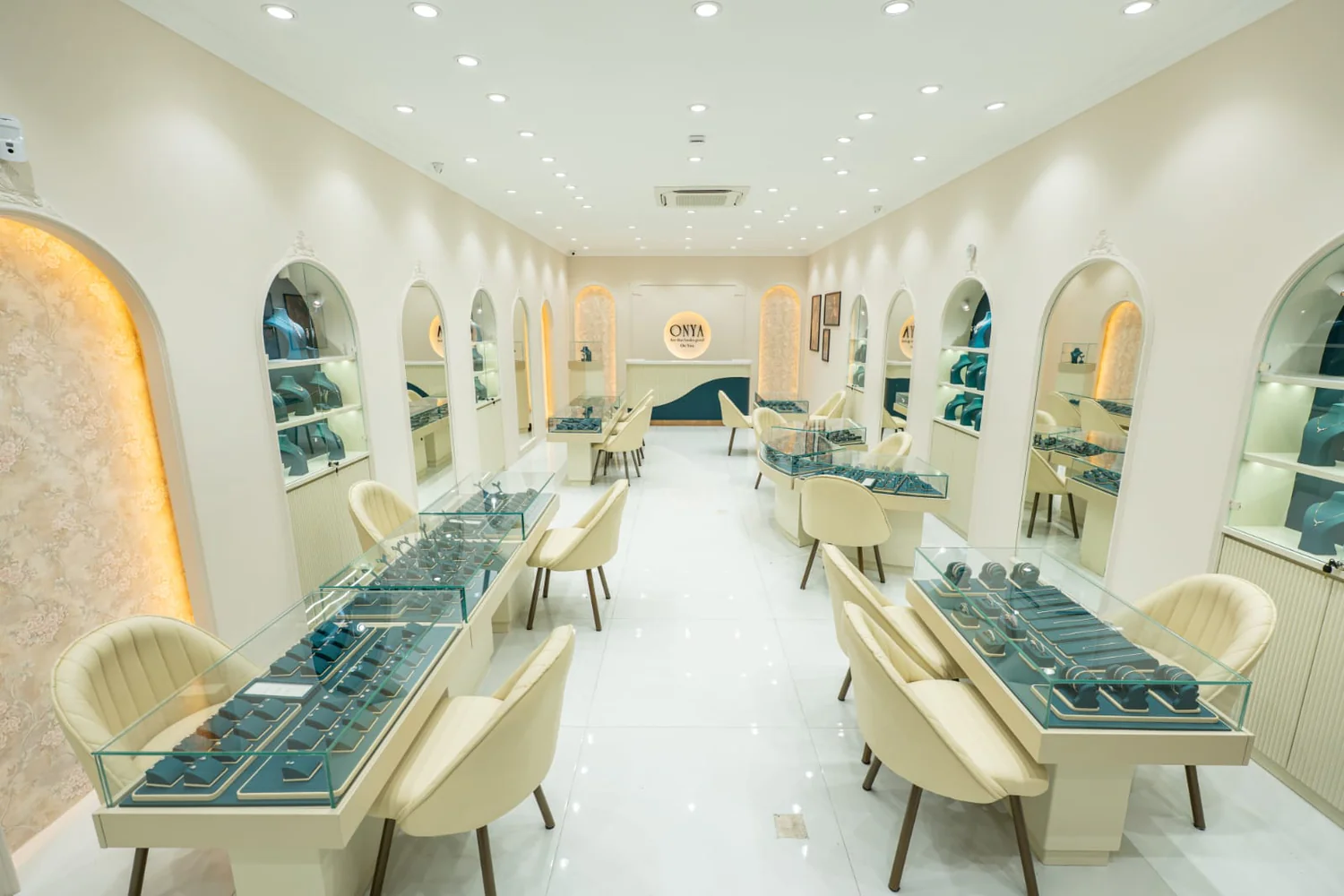
ONYA raising 5.5 crore has turned the spotlight on India’s fast expanding lab grown jewellery category and opened a new conversation around retail expansion into smaller cities. This topic is time sensitive because the funding reflects current investor interest, shifting consumer behaviour and the acceleration of affordable luxury demand across non metro markets.
Lab grown jewellery has grown from a niche segment to a mainstream choice driven by transparency, pricing advantages and strong online discovery. ONYA’s scale up ambitions signal a larger shift in how modern jewellery brands plan their distribution, manufacturing and awareness strategies, especially in regions where aspirational buying is rising rapidly.
Why ONYA’s Funding Matters For The Lab Grown Jewellery Market
The 5.5 crore capital infusion strengthens ONYA’s ability to expand design capabilities, build stronger supply chain partnerships and scale branding efforts. Lab grown diamonds have gained consumer trust because they follow the same chemical and physical properties as natural diamonds while offering better clarity and significantly lower price points.
This funding round indicates that investors view lab grown jewellery as a high growth segment, capable of serving both metro and non metro markets. The category benefits from transparent certification, predictable quality and digital friendly purchase behaviour—factors that align well with younger and value conscious buyers.
Why Smaller Indian Cities Offer High Growth Potential
Demand for jewellery in smaller cities is rising faster than in metro markets due to expanding middle class incomes, improving digital adoption and strong cultural purchasing patterns. Consumers in cities like Nagpur, Indore, Coimbatore, Jaipur, Lucknow and Surat increasingly explore modern designs via online platforms before visiting local stores.
Lab grown jewellery fits this demand curve because it combines affordability with aspiration. Buyers can purchase larger stones or modern styles at accessible price points without compromising on quality.
As ONYA expands, smaller cities provide fertile ground for lightweight stores, experience centers and franchise models. These models reduce overhead costs while offering full product visibility, making the business more scalable compared to traditional jewellery retail.
Digital First Retail Models Strengthen Non Metro Expansion
Lab grown brands rely heavily on online discovery, virtual try on tools, WhatsApp consultations and home trial models. These formats align perfectly with customer behaviour in smaller markets where consumers want clarity, convenience and reassurance before purchase.
ONYA’s funding can support expansion of such digital experiences. Omnichannel distribution allows the brand to operate with limited physical infrastructure while still building trust and familiarity.
Smaller towns also have lower marketing costs, allowing jewellery brands to build hyperlocal awareness using digital ads, influencer tie ups and regional campaigns at a fraction of metro budgets.
Supply Chain Advantages Strengthen India’s Lab Grown Ecosystem
India already leads the world in diamond cutting and polishing. As lab grown diamond production increases globally, India gains a natural advantage in finishing, certification and jewellery design.
Brands like ONYA can tap into established polishing units, skilled artisans and advanced manufacturing capacity in cities such as Surat. Production costs remain manageable, quality stays consistent and fulfilment timelines remain competitive.
This proximity to manufacturing clusters helps newer brands scale faster while keeping pricing attractive for customers in smaller cities where affordability is key to conversion.
Changing Consumer Preferences Support Category Growth
Indian consumers have become more informed about diamond sourcing, value propositions and certification standards. The younger demographic, especially in Tier 2 and Tier 3 markets, values design flexibility, ethical production and transparent pricing more than the legacy value of mined stones.
Lab grown jewellery aligns with these shifting preferences. Social media education and comparison tools have further reduced hesitation around choosing lab grown products. As awareness grows, more families incorporate lab grown diamonds into wedding purchases, gifting and self use categories.
Challenges To Scaling In Non Metro Markets
Despite strong potential, lab grown jewellery must overcome several barriers in smaller cities. Traditional jewellers continue to dominate trust relationships, and customers may initially question resale value or long term durability.
Brands must invest in education, after sales service, certification clarity and consistent quality standards to build confidence. Retailers in smaller cities also need training to explain the science, grading norms and benefits of lab grown diamonds.
However, early adoption data shows that once consumers understand the product, conversion rates are high, driven mainly by price advantage and quality consistency.
Takeaways
• ONYA’s 5.5 crore funding highlights strong investor conviction in India’s lab grown jewellery market
• Smaller cities represent high growth potential due to rising aspiration and digital discovery habits
• Omnichannel and lightweight retail formats make expansion into non metro markets cost efficient
• Awareness building and clear certification remain essential for accelerating adoption
FAQ
Q: Why is lab grown jewellery popular in smaller Indian cities
A: It offers premium design and larger stones at affordable prices, making it attractive for value conscious buyers in emerging markets.
Q: Does ONYA’s funding impact industry trends
A: Yes. It signals that investors see long term opportunity in lab grown jewellery and support expansion beyond metro cities.
Q: Are lab grown diamonds real diamonds
A: Yes. They have the same physical, chemical and optical characteristics as natural diamonds but are produced in controlled environments.
Q: What challenges exist for expanding into Tier 2 and Tier 3 regions
A: Lower awareness, traditional buying behaviour and limited retailer familiarity require brands to invest in education and transparent communication.









Leave a comment