

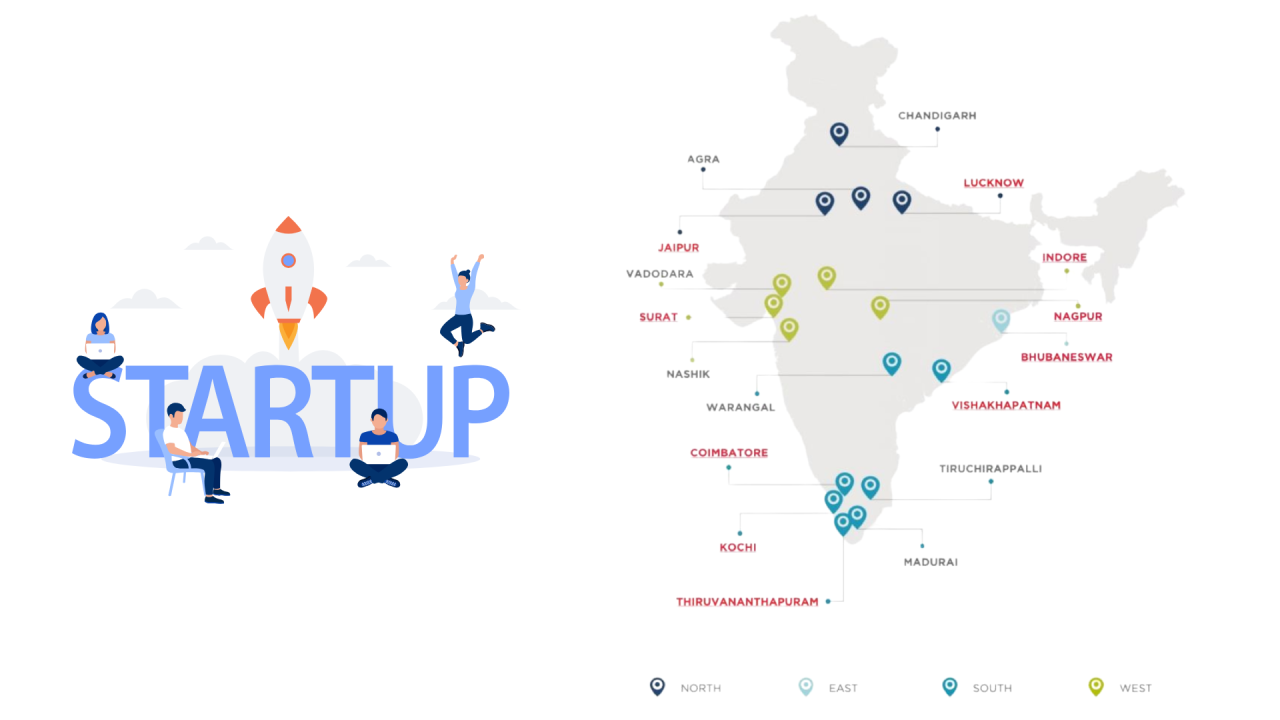
From semiconductors to clean energy, Tier 2 towns could become hotspots for hardware tech startups as India accelerates its manufacturing and deep tech ambitions. The main keyword Tier 2 towns could become hotspots positions this article as informational with current relevance. Hardware innovation requires local ecosystems, skilled talent and affordable infrastructure, all of which align strongly with non metro India’s emerging industrial landscape.
The shift signals a structural opportunity for founders building high impact technology outside traditional startup hubs.
Why India’s hardware tech push is expanding beyond major metros
India’s national priorities around semiconductors, clean energy, electronics and advanced manufacturing are creating demand for robust hardware ecosystems. Large metros have limited capacity for industrial scale facilities due to high costs and space constraints. Tier 2 towns, on the other hand, offer industrial clusters, engineering institutes and accessible real estate that support research and production.
The semiconductor push includes design houses, component suppliers and testing units, many of which do not require full scale fabs. These functions can be efficiently located in emerging cities such as Coimbatore, Mysuru, Nagpur, Surat and Visakhapatnam. As global supply chains diversify, India’s smaller cities are attracting attention for their ability to support hardware startups through local vendor networks and lower operational costs.
Strong talent pipelines strengthening Tier 2 innovation hubs
A major factor driving hardware tech into Tier 2 towns is the availability of engineering talent. These cities host technical universities, polytechnic colleges and specialised institutes that produce highly skilled graduates in electronics, mechanical engineering, industrial design and renewable energy. Many graduates prefer working closer to home, reducing migration pressure on metro job markets.
For hardware startups, this means access to dedicated talent without competing with multinational companies for hiring. Lower attrition rates and strong community ties also help build long term teams. With increasing government investment in skill development, Tier 2 markets are becoming reliable sources of technical expertise required for semiconductor design, EV systems, battery technology and robotics.
Industrial clusters offering natural advantages for hardware development
Tier 2 cities often sit near mature industrial clusters with strong supplier ecosystems. Coimbatore leads in precision engineering, Rajkot is known for machining, Pune outskirts specialise in automotive components, and Surat hosts advanced manufacturing capabilities. These clusters give hardware startups immediate access to prototyping, fabrication, tooling and component sourcing.
The availability of ancillary industries helps reduce product development timelines. Startups can test iterations faster and collaborate with small manufacturers for low volume production runs. Local clusters also enable cost effective scaling, essential for sectors like renewable energy components, IoT devices, battery packs and power electronics. These built in advantages make Tier 2 towns increasingly attractive for hardware entrepreneurs.
Why clean energy and EV technology align with Tier 2 ecosystems
Clean energy and EV technology require a mix of hardware assembly, component integration, testing and field deployment. Tier 2 cities offer realistic testing environments, especially for rooftop solar, micro grids, charging infrastructure and electric two wheeler adoption. The demand for clean energy solutions is high in states with industrial and agricultural activity, making these towns strong launching pads for pilot projects.
Hardware startups building solar inverters, battery management systems, energy storage solutions and EV components benefit from proximity to industrial users. This access allows deeper feedback loops and faster commercial adoption. As India pushes renewable expansion and electrification, Tier 2 ecosystems will play a crucial role in supporting hardware scale up.
Government incentives accelerating regional hardware ecosystems
Government incentives are strengthening the case for hardware innovation outside metros. Production linked incentives, state subsidies, incubation programs and electronics manufacturing clusters are being set up across multiple states. States are competing to attract hardware industries by offering clearances, land support and infrastructure upgrades.
Startups located in Tier 2 regions can tap into subsidised labs, testing facilities and incubation spaces at a fraction of metro costs. National schemes promoting semiconductor design, EV innovation and clean tech research create long term pathways for founders building in these markets. The cumulative effect is an enabling environment that encourages hardware scale up in regional cities.
What this shift means for India’s broader deep tech ambition
The rise of hardware tech in Tier 2 towns strengthens India’s deep tech foundation. Distributed innovation reduces concentration risk and improves the nation’s ability to build diversified supply chains. Hardware startups in non metro cities enhance local job creation, skill development and industrial modernisation.
As global demand shifts toward resilience, countries with strong regional manufacturing bases gain competitive advantage. India’s ability to build these bases in Tier 2 towns positions it for long term strength in semiconductors, energy systems and next generation manufacturing technologies.
Takeaways
Tier 2 towns are becoming attractive hubs for hardware tech innovation.
Strong talent pipelines and industrial clusters accelerate product development.
Clean energy and semiconductor sectors align with regional capabilities.
Government incentives are supporting long term hardware ecosystems outside metros.
FAQs
Why are hardware startups expanding into Tier 2 towns
Lower costs, strong engineering talent, industrial clusters and better access to testing environments make Tier 2 towns ideal for hardware development.
Which sectors benefit most from this regional shift
Semiconductors, clean energy, EV technology, industrial automation and IoT hardware gain the most due to infrastructure and talent availability.
Do Tier 2 towns offer advantages over metros
Yes. They provide affordable operations, reliable talent pools and proximity to manufacturing partners, which reduce development and scaling costs.
Will this trend strengthen India’s deep tech ambitions
It will. Regional hardware hubs diversify supply chains, encourage innovation and support national efforts in semiconductors and renewable energy.











Leave a comment