

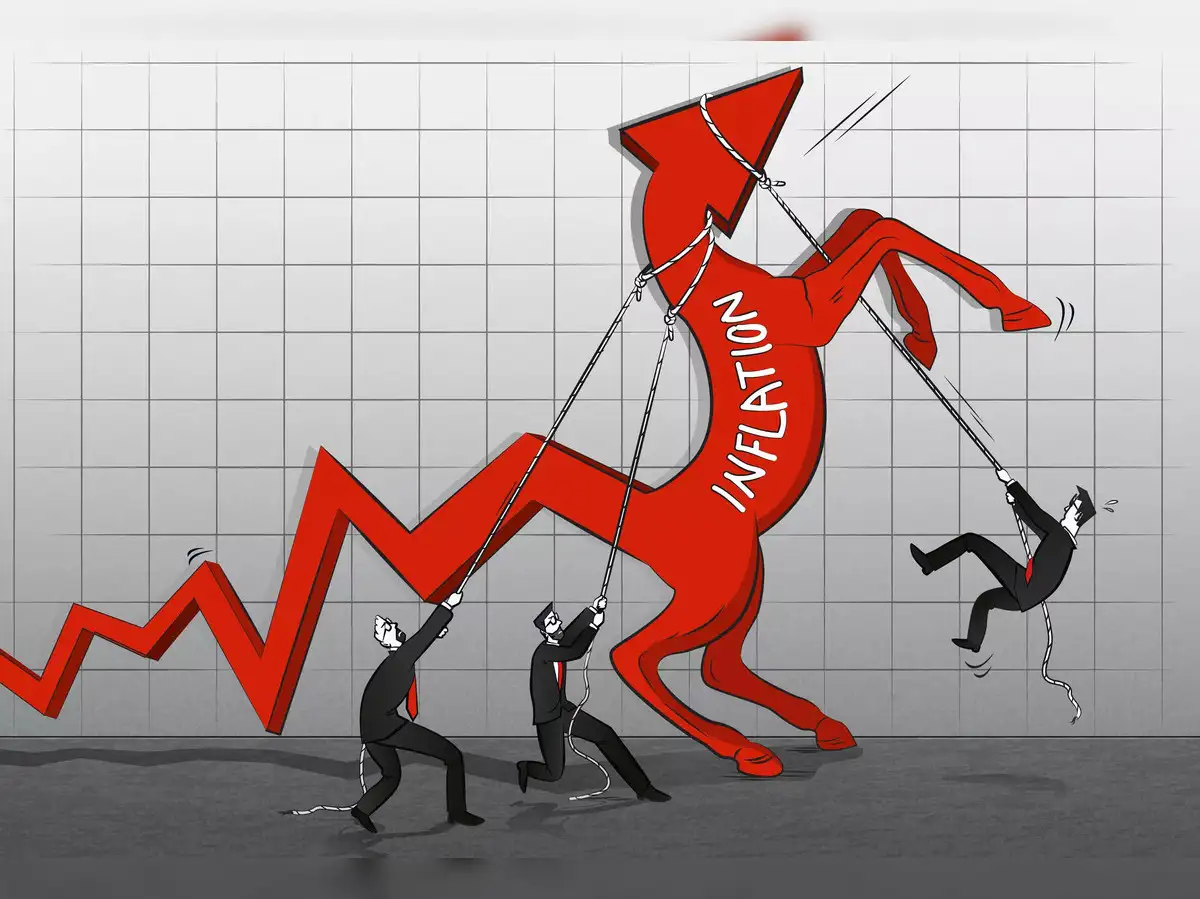
Rising inflation and the likely no rate cut stance from the Reserve Bank of India are creating pressure points for small businesses across smaller cities. The main keyword shapes the immediate concern as firms face higher input costs, slower credit flow and reduced consumer spending in local markets.
Small businesses in Tier 2 and Tier 3 cities operate with tighter cash cycles and limited access to formal credit. Inflation has raised costs of essentials such as raw materials, logistics, utilities and rent. At the same time, the expectation of no rate cut has kept borrowing costs elevated for traders, small manufacturers and service providers. This combination has squeezed profit margins and delayed expansion plans. While larger companies can adjust with scale and pricing power, smaller firms absorb the impact directly within their operating budgets.
Cost pressures rise as core inflation stays firm
Secondary keywords: inflation impact India, small business costs
Inflation has increased across categories linked to food, transport and energy. Businesses that depend on daily procurement like food processing units, small restaurants and garment workshops face higher raw material costs. Transport costs remain elevated due to fuel price movements and strong freight demand. Utilities such as electricity have also become more expensive in several states.
Small city businesses often lack long term supplier contracts and must accept market linked pricing. Even marginal increases in input costs affect their margins. Many have attempted selective price hikes but consumer sensitivity in non metro markets limits the extent of pass through. This has created a gap between rising operational expenses and stagnant revenue growth.
No rate cut outlook and its impact on borrowing
Secondary keywords: RBI policy outlook, credit conditions India
With the Reserve Bank of India unlikely to cut rates in the near term, loan rates remain high for working capital and small business credit. Banks and NBFCs have tightened underwriting standards due to economic uncertainty. This has resulted in slower loan approval cycles and shorter loan tenures.
Small businesses in smaller cities rely heavily on credit for inventory management and seasonal cash flow needs. High interest costs discourage new borrowing and force firms to postpone upgrades in machinery, shop expansion or digital adoption. In sectors like textiles, auto ancillaries and small manufacturing, delayed investments affect competitiveness. The no rate cut outlook has also impacted micro enterprises that use gold loans or unsecured loans with variable interest structures.
Consumer demand weakens in smaller markets
Secondary keywords: rural demand trends, small city consumption
Inflation has reduced purchasing power in smaller cities, affecting footfall in retail outlets and demand for entry level products. Consumers in these regions prioritise essentials during high inflation periods, which impacts sales of discretionary categories including apparel, home appliances and services.
Businesses dependent on festive season spending did see a temporary pickup, but sustained demand has remained uneven. Shops and local service providers report that average ticket sizes have not grown as expected. This adds further stress to small businesses who already face higher costs and expensive credit. Weak demand also prevents firms from increasing prices to compensate for inflation.
How small businesses are adapting to the new environment
Secondary keywords: small business strategy, cost management India
Small businesses are adopting multiple strategies to manage inflation and interest rate pressures. Many are reducing inventory levels to protect working capital. Others are renegotiating supplier terms, adopting digital payments to speed up cash cycles and exploring local sourcing to cut logistics expenses.
A growing number of small city enterprises are shifting toward multi product retailing to diversify revenue. Service providers are offering bundled services to improve margins. However, these measures provide only partial relief. Structural challenges such as low formal credit penetration and limited financial buffers continue to hold back businesses in Tier 2 and Tier 3 markets. Stakeholders expect business conditions to stabilise only when inflation cools and borrowing costs ease.
Prospects for the next few quarters
Secondary keywords: economic outlook India, small business recovery
The outlook for small businesses depends on inflation trends and RBI policy signals over the next two quarters. If food inflation moderates and global commodity prices stabilise, operating costs may ease. But until the central bank sees sustained inflation improvement, rate cuts are unlikely.
This means businesses must prepare for a prolonged high cost environment. Firms that strengthen cash flow management, adopt technology for efficiency and diversify income sources will be better positioned for recovery. Policy support programs targeting credit access and digital adoption in smaller cities will also play a crucial role in easing the burden.
Takeaways
Inflation has raised input, transport and utility costs for small city businesses
No rate cut outlook keeps borrowing expensive and slows credit flow
Weak local demand limits how much cost pressure can be passed to consumers
Businesses must focus on cash flow, efficiency and diversification to stay resilient
FAQs
Why are small businesses in smaller cities affected more by inflation?
They operate with thin margins, depend on daily procurement and have limited ability to raise prices without hurting demand.
How does the no rate cut outlook impact them?
High interest rates keep working capital loans costly, delaying expansion, inventory purchases and technology upgrades.
Which sectors are under the most pressure?
Retail, food processing, textiles, small scale manufacturing and local services face the strongest hit due to rising inputs and weak demand.
When can conditions improve for these businesses?
Recovery depends on inflation easing and credit conditions improving, which may take a few quarters based on economic indicators.











Leave a comment