

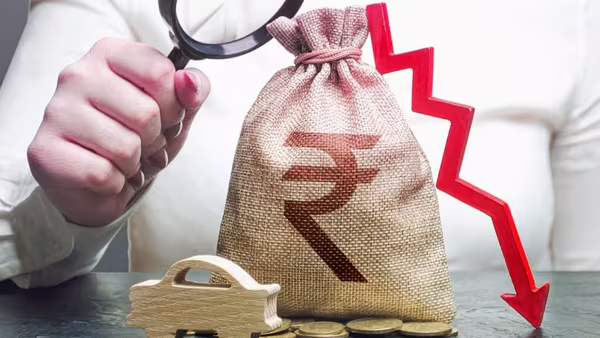
The continued weakness of the rupee, now among the worst performing Asian currencies, is pushing up the cost of everyday imports and travel for households in semi urban India. The currency slide is feeding into inflation through energy, electronics and essential commodity categories.
The topic is time sensitive as it relates to current market movements. The tone therefore follows a news reporting approach. The rupee’s depreciation affects consumer prices because India depends on imported crude oil, electronic components, fertilisers and several household goods. When the currency weakens, importers pay more in dollar terms, and higher landed costs eventually reach consumers. For semi urban India, where budgets are tight and supply chains are less efficient, the impact becomes more visible and more immediate.
Rupee weakness and its effect on essential imports
A large part of India’s import basket is priced in dollars, including crude oil which directly influences fuel prices. Even when pump prices do not move daily, oil marketing companies adjust rates over time to recover higher costs. Higher logistics and fuel costs push up transportation charges across the supply chain. Semi urban markets feel this quickly because goods travel longer distances from distribution hubs to local kirana stores. Imported edible oils, packaged foods that use imported inputs, medicines and fertilisers also become costlier when the rupee falls. Fertiliser price changes alter farm input costs and affect food prices in the months ahead. Electronics such as mobile phones, televisions and appliances face higher retail prices because many components are imported. Households in Tier 2 and Tier 3 cities often postpone major purchases when the rupee remains weak for extended periods.
Impact on travel expenses and outbound tourism
Travel is one of the most directly affected categories during periods of currency depreciation. Airfares on international routes rise because airlines incur higher dollar denominated costs for fuel and aircraft leases. Holiday packages become more expensive because hotels, local travel and activity bookings abroad are priced in dollars or other foreign currencies. Semi urban travellers already facing higher ticket prices due to airline operational issues encounter additional cost pressure from the weaker rupee. Students studying overseas face increased living expenses, as monthly transfers stretch budgets further. Families planning medical or leisure travel abroad often scale down itineraries or delay trips until rate conditions stabilise.
Inflation transmission and its pressure on household budgets
The inflation impact of a weak rupee is not limited to imported goods. It spreads across categories through rising transport costs and supply chain adjustments. Semi urban markets typically have fewer wholesalers and higher distribution margins, which magnify cost pass through. For households, price increases in fuel, cooking oil, packaged food, medicines and daily essentials force reallocation of monthly spending. Lower income families reduce discretionary purchases, which slows local market activity. Transport operators in smaller cities also raise fares when fuel prices rise, affecting daily commuting costs for workers and students. If the rupee remains under pressure for several months, inflation expectations harden and retailers adjust prices more frequently.
How businesses in semi urban regions are responding
Small retailers and SME distributors in semi urban India often carry thin margins. When import linked costs rise, they face a trade off between absorbing part of the increase or raising prices. Many businesses have started trimming inventory for non essential items to manage working capital. Traders dealing in hardware, electronics and automotive parts are especially cautious because dollar denominated imports have become costlier. Hotel operators and travel agents in smaller cities report slower booking volumes for international destinations, while domestic travel sees rising interest as families choose closer and more affordable options. Some SMEs attempt to hedge by diversifying suppliers or negotiating longer credit cycles, but smaller firms generally have limited tools to manage currency volatility.
Takeaways
Weaker rupee increases landed costs of essential imports that feed into retail inflation
International travel becomes more expensive due to higher dollar denominated expenses
Semi urban households feel stronger inflation pressure because of higher distribution costs
SMEs and retailers adjust inventory and pricing strategies to manage currency volatility
FAQ
Why does a weak rupee raise prices in semi urban India
Imported goods become costlier and higher logistics expenses add to final retail prices. Semi urban markets face higher distribution margins compared to metros.
How does the rupee slide affect international travel
Airlines and travel operators pay many expenses in dollars, so package and ticket prices rise when the rupee weakens.
Does a weak rupee always lead to higher inflation
Not always immediately, but prolonged depreciation increases input costs for fuel, imported goods and transport, which typically raises overall inflation.
How should households manage rising costs during currency volatility
Prioritising essential purchases, delaying discretionary buys and comparing local retailer prices can help manage short term inflation pressure.











Leave a comment