

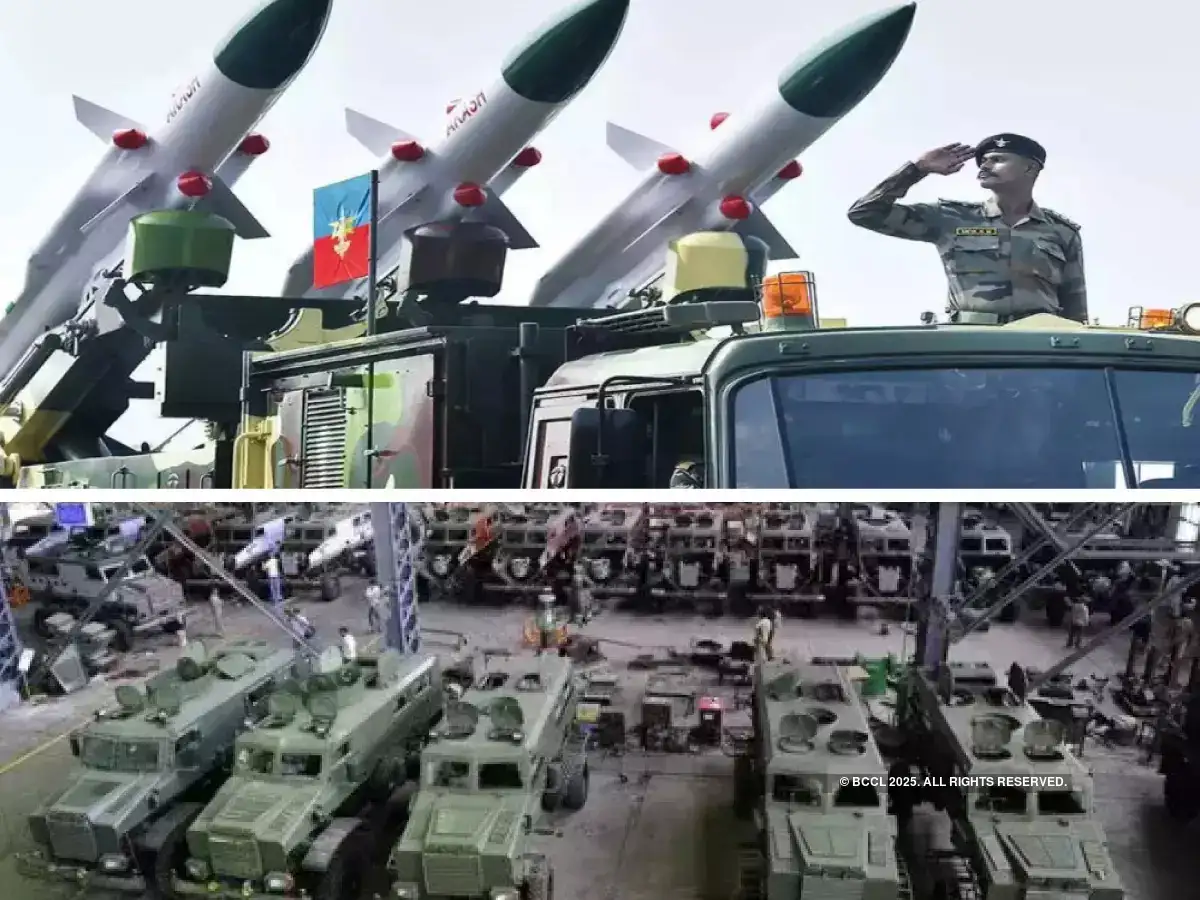
Fresh funds flowing into defence adjacent tech startups such as Planys are reshaping the landscape for defence manufacturing in Tier 2 and Tier 3 cities. The new capital strengthens innovation pipelines and creates upstream and downstream opportunities for smaller industrial clusters.
This topic is time sensitive because it addresses recent funding momentum in defence and deep tech segments. The tone follows a news oriented analytical approach. India’s defence sector is undergoing steady modernisation, and private sector participation continues to rise. Investments into startups working on underwater robotics, autonomous systems, surveillance hardware and advanced materials directly influence the defence manufacturing ecosystem, especially outside major metros.
How defence tech funding accelerates industrial participation in smaller cities
When defence adjacent startups secure new funding, they expand prototyping, testing and early stage production. This creates demand for components, specialised fabrication units and ancillary services. Tier 2 and Tier 3 industrial clusters such as Coimbatore, Belgaum, Nashik, Nagpur, Indore and Bhubaneswar possess engineering capabilities that align well with defence grade requirements. These regions host MSMEs skilled in machining, electronics assembly, precision manufacturing and composite materials. As startups scale, they look beyond metros for suppliers offering cost efficient, high quality production. New funding accelerates this transition by enabling startups to formalise vendor bases and engage with regional industrial parks equipped for defence and aerospace work.
Why defence adjacent startups depend on distributed manufacturing networks
Startups in defence adjacent sectors often deal with complex engineering challenges that require distributed partnerships rather than fully centralised production. Underwater robotics platforms need specialised enclosures, sensors, propulsion systems and communication modules. Surveillance hardware requires ruggedised casing, optical components and embedded electronics. Autonomous systems depend on reliable actuator assemblies and control units. Tier 2 and Tier 3 manufacturers with domain expertise become competitive suppliers because they offer flexibility and shorter turnaround cycles. With increasing funding, startups can formalise long term supply contracts, help vendors meet quality certifications and co develop components tailored to defence specifications. This distributed model strengthens India’s manufacturing depth and reduces dependence on imported subsystems.
Government incentives and policy alignment supporting regional hubs
India’s defence manufacturing policies now prioritise local sourcing, technology transfer and private sector involvement. Initiatives such as the Defence Industrial Corridors, Make in India programmes and simplification of production licensing have encouraged MSMEs to upgrade capabilities. New defence funding rounds amplify these policy benefits by creating real demand for indigenous technology. Tier 2 and Tier 3 cities near defence corridors or aerospace clusters can integrate into supply chains more smoothly. Local governments are also offering land, infrastructure support and skill development programs to attract defence aligned manufacturing. The combination of public policy, startup growth and investor activity strengthens long term prospects for regional industrial hubs.
Opportunities for MSMEs and skilled workforce in smaller cities
As defence adjacent startups move from prototype to scaled production, MSMEs in smaller cities can partner through contract manufacturing, component design and testing services. Many regional companies already supply to automotive, energy or heavy engineering sectors and can diversify into defence with incremental upgrades. Workforce demand also expands as startups establish satellite units or collaborate with local institutes. Jobs emerge in electronics integration, robotics assembly, quality testing, software calibration and field servicing. Tier 2 and Tier 3 cities benefit from this shift because the defence sector typically creates long horizon employment and fosters skill development. Over time, these cities can evolve into specialised manufacturing zones supporting multiple defence tech verticals.
Takeaways
Funding for defence adjacent startups increases demand for regional manufacturing partners
Tier 2 and Tier 3 cities gain opportunities in component production and advanced fabrication
Policy incentives and startup growth together strengthen local defence supply chains
MSMEs benefit from long term contracts and skill development opportunities in defence technology
FAQ
How does funding for defence tech startups help regional manufacturers
Startups expand production needs after raising capital, creating demand for components and specialised manufacturing that regional MSMEs can supply.
Do Tier 2 and Tier 3 cities have the skills needed for defence manufacturing
Yes. Many smaller cities host strong engineering clusters with capabilities in machining, electronics and precision manufacturing that align with defence standards.
Will defence adjacent startups rely on local suppliers long term
Likely. Distributed manufacturing is essential for scaling complex hardware, and regional vendors offer agility and cost advantages.
What should MSMEs do to enter defence supply chains
MSMEs should pursue quality certifications, upgrade processes for precision work and collaborate early with startups on component development.












Leave a comment