

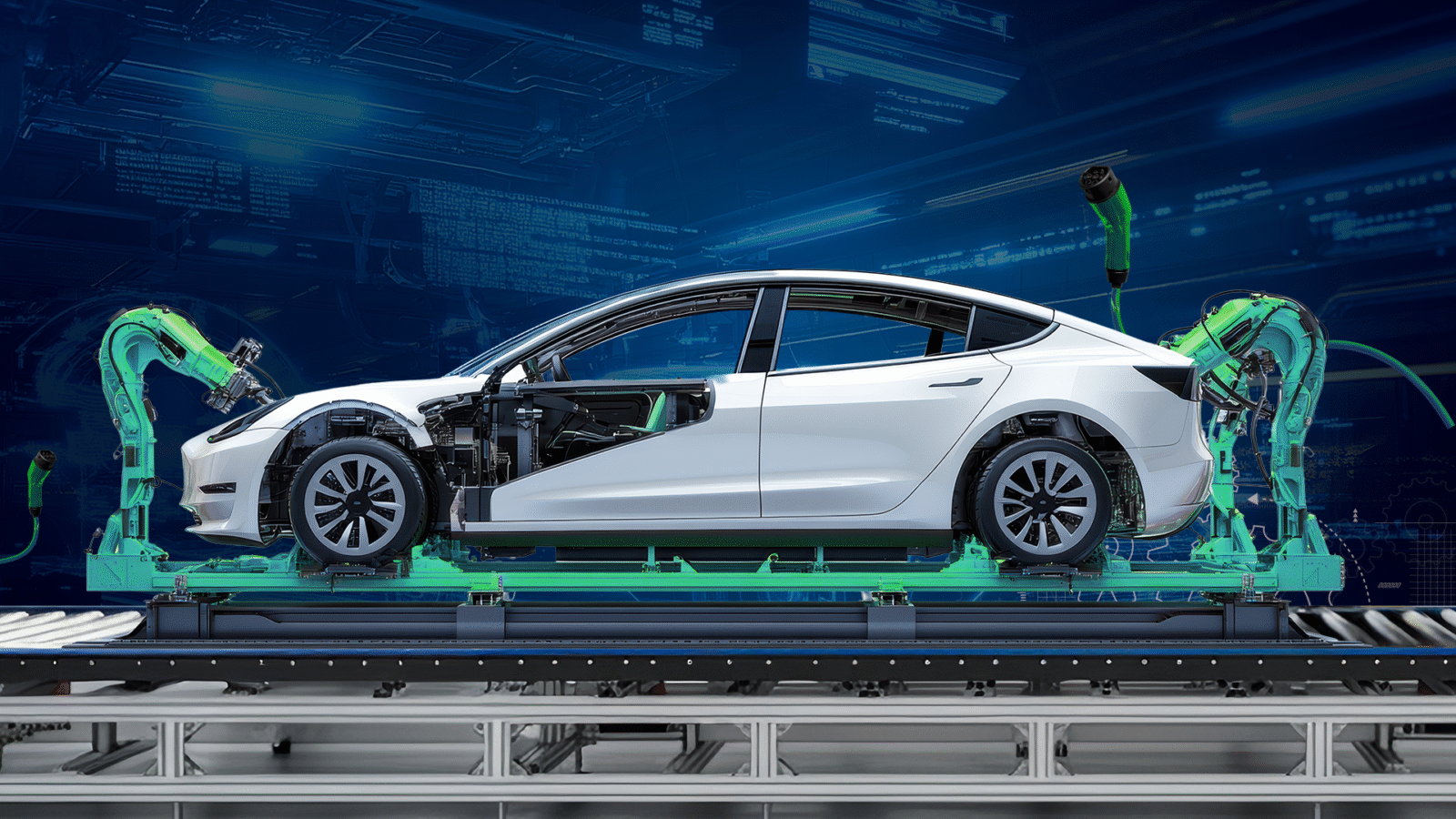
India’s EV ecosystem is witnessing a fresh push through new state-level incentives in 2026, with multiple governments revising policies to accelerate adoption. These changes are set to directly impact city-level demand, manufacturing clusters, and charging infrastructure expansion.
India’s EV ecosystem is currently in a time-sensitive phase, driven by evolving state EV policies, subsidy revisions, and infrastructure investments. The latest incentives signal a competitive federal push to attract EV investments and accelerate urban electrification.
State EV policies 2026 and incentive structure updates
India’s EV ecosystem is shaped heavily by state policies, as subsidies, tax exemptions, and infrastructure support vary across regions. States like Maharashtra, Tamil Nadu, and Gujarat have updated or extended their EV policies to remain competitive.
These incentives include purchase subsidies for two-wheelers and three-wheelers, road tax exemptions, and capital support for EV manufacturers. Some states are also offering incentives for battery manufacturing and swapping infrastructure.
The policy competition among states is strategic. Governments are aiming to attract both consumers and manufacturers, creating localized EV ecosystems rather than relying on national-level incentives alone.
Cities leading EV adoption in Tier-2 India
The impact of state incentives is most visible at the city level. Tier-2 cities such as Pune, Ahmedabad, and Coimbatore are emerging as strong EV adoption hubs.
These cities benefit from a mix of industrial base, consumer awareness, and improving charging infrastructure. For example, Pune has seen steady growth in electric two-wheeler registrations due to state subsidies and urban commuting patterns.
Ahmedabad is leveraging its policy incentives to boost both private EV adoption and commercial fleet electrification. Coimbatore, with its manufacturing ecosystem, is attracting EV component suppliers and startups.
The shift is important because Tier-2 cities represent a large share of India’s future vehicle demand.
Charging infrastructure expansion and urban planning
One of the key components of India’s EV ecosystem is charging infrastructure. State governments are now mandating charging points in new residential and commercial developments.
Cities like Hyderabad and Bengaluru are integrating EV infrastructure into urban planning policies. Public charging networks are expanding through partnerships with private players.
In Tier-2 cities, the approach is slightly different. Instead of large charging hubs, smaller distributed charging points are being deployed to match lower vehicle density.
Battery swapping is also gaining traction, particularly for commercial vehicles like e-rickshaws and delivery fleets. This reduces downtime and improves operational efficiency.
Manufacturing hubs and investment inflow trends
State-level incentives are not limited to consumers. They are also designed to attract EV manufacturing investments. Tamil Nadu and Gujarat are positioning themselves as EV manufacturing hubs by offering land subsidies, tax benefits, and infrastructure support.
Companies such as Tata Motors and Ola Electric are expanding their EV production capacities in these states.
This creates a ripple effect. Supplier ecosystems, logistics providers, and ancillary industries benefit from localized manufacturing clusters.
For Tier-2 cities near these hubs, this translates into job creation and increased economic activity, further accelerating EV adoption.
Challenges in scaling EV adoption across cities
Despite strong policy support, challenges remain in scaling India’s EV ecosystem. High upfront costs, limited charging infrastructure in smaller towns, and range anxiety continue to impact consumer decisions.
There is also variation in policy implementation across states. While some cities have robust execution, others lag in infrastructure rollout.
Financing remains another barrier. Although EV loans are becoming more accessible, interest rates and resale value concerns still affect buyer confidence.
Addressing these issues will be critical to ensure that incentives translate into sustained adoption rather than short-term spikes.
What the next phase of EV growth looks like
The next phase of India’s EV ecosystem will likely be driven by deeper integration between policy, infrastructure, and private sector participation.
Tier-2 cities are expected to play a larger role as demand shifts beyond metros. Two-wheelers and commercial EVs will continue to dominate adoption due to lower costs and clearer use cases.
State governments may further refine incentives based on performance data, focusing on high-impact segments rather than broad subsidies.
If execution remains consistent, India’s EV ecosystem could see balanced growth across urban and semi-urban regions, reducing dependence on metro-driven demand.
Takeaways
• State-level EV incentives are driving city-specific adoption across India
• Tier-2 cities like Pune, Ahmedabad, and Coimbatore are emerging as key growth hubs
• Charging infrastructure and manufacturing investments are expanding simultaneously
• Challenges like cost, infrastructure gaps, and financing still need to be addressed
FAQs
Which states are leading EV adoption in India?
States like Maharashtra, Tamil Nadu, and Gujarat are leading due to strong incentives and infrastructure support.
Why are Tier-2 cities important for EV growth?
They represent a large and growing market with increasing demand for affordable and efficient mobility solutions.
What incentives are available for EV buyers?
Incentives include purchase subsidies, tax exemptions, and reduced registration fees, depending on the state.
What is the biggest challenge for EV adoption in India?
Limited charging infrastructure and high upfront costs remain the primary challenges.











Leave a comment