

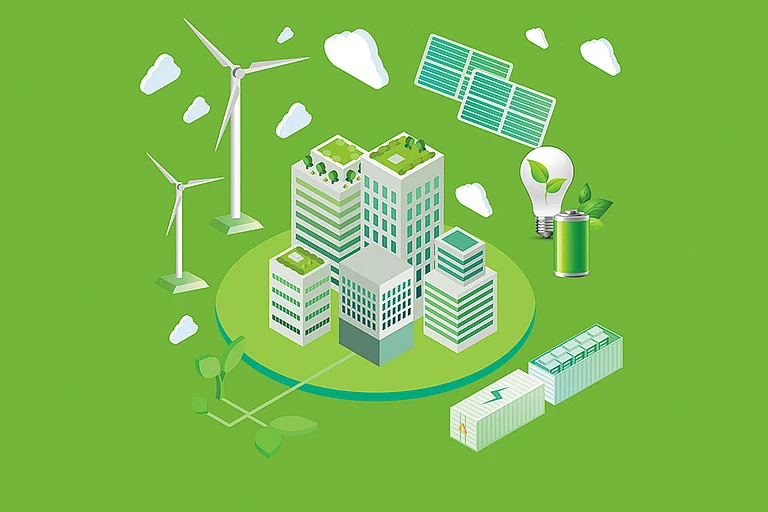
Cleantech and EV startups are rising rapidly in India, and the main keyword anchors this informational yet time sensitive analysis. While major metros still dominate early adoption, smaller cities are emerging as the next growth engine for climate aligned mobility, energy storage, charging infrastructure and decentralized clean energy solutions.
The shift is driven by demand patterns, regulatory pressure, evolving logistics networks and lower operational costs outside Tier 1 markets. As EV ownership spreads beyond early adopters and cleantech products become more affordable, India’s smaller cities are shaping up to be essential markets for the next wave of growth.
Why demand for cleantech and EV solutions is rising beyond metros
Secondary keywords such as regional EV adoption and climate mobility expansion explain the transition. Tier 2 and Tier 3 cities are experiencing faster EV penetration thanks to falling vehicle prices, better financing availability and improved charging density. Two wheelers and three wheelers are driving adoption, especially in regions where fuel prices significantly impact household budgets.
Logistics operators in these markets are shifting to electric fleets for cost savings and to meet client sustainability requirements. Delivery platforms, intracity transport networks and small businesses increasingly prefer EVs due to lower maintenance costs and predictable operating expenses.
Cleantech products, including rooftop solar, energy management systems and electric commercial vehicles, are benefiting from favourable economics and rising awareness in these regions.
How smaller cities provide natural advantages for EV scale
Secondary keywords such as operational cost benefits and urban infrastructure suitability highlight structural strengths. Smaller cities have shorter average travel distances, less congestion and simpler traffic patterns. This makes them ideal for early EV deployment because range anxiety drops significantly.
Charging infrastructure is also easier to scale. Land availability is higher and grid stress is lower compared to metros. Municipal bodies in emerging cities are collaborating actively with private operators to install charging points and battery swapping stations.
Lower labour and facility costs help startups run operations more efficiently. EV manufacturers can set up assembly units, warehouses or service centres with smaller capital outlays, improving unit economics from the start.
Why cleantech startups are finding strong traction in regional markets
Secondary keywords such as decentralised energy adoption and rooftop solar demand define the trend. Clean energy adoption is rising quickly outside metros because businesses and households in smaller cities face significant power fluctuations and higher long term utility costs. Rooftop solar and energy storage systems offer predictable, cost effective alternatives.
Agriculture focused cleantech solutions, including solar powered pumps and microgrid technologies, are growing because rural and peri urban customers directly benefit from reduced operating expenses. Government incentives add further pull by improving affordability.
Startups developing energy optimisation tools, battery recycling processes or climate resilient technologies are finding that regional markets provide faster adoption cycles and lower customer acquisition costs.
Investor sentiment supports expansion into these markets
Secondary keywords such as climate capital deployment and regional expansion strategy highlight funding patterns. Investors are increasingly backing cleantech and EV startups that demonstrate traction outside Tier 1 hubs. Demand volume in smaller cities offers stronger long term predictability compared to saturated urban markets.
Startups proving success in Tier 2 and Tier 3 regions often show more sustainable unit economics, lower churn and stronger customer loyalty. These characteristics reduce investment risk and make scaling more capital efficient.
Venture funds focused on climate, sustainability and mobility are encouraging founders to build regionally distributed networks rather than metro centric operations. The result is a more balanced, inclusive growth model.
What startups must adjust to win in smaller cities
Secondary keywords such as market localisation and product fit highlight strategic needs. Cleantech and EV adoption patterns vary widely across regions. Startups must design products suited to local climate, power quality and customer usage behaviour.
Distribution and service networks need depth. Customers in smaller cities expect high availability of after sales service, spare parts and on ground support. Startups cannot rely solely on digital channels or centralised warehouses.
Financing solutions also matter. Many consumers and small businesses require flexible payment plans, subscription models or pay per use mechanisms to adopt clean mobility or clean energy solutions. Partnerships with local lenders and NBFCs become critical for scale.
How smaller cities strengthen India’s long term climate tech roadmap
Secondary keywords such as national electrification goals and sustainable mobility transition explain the macro significance. India cannot meet its climate and EV adoption targets without meaningful penetration in smaller cities. These markets account for a significant share of two wheeler, three wheeler and commercial vehicle demand.
Wider adoption accelerates manufacturing localisation, battery ecosystem maturity and supply chain stability. It also pushes infrastructure providers to standardise protocols and expand networks. As cleantech products gain mass adoption, economies of scale further reduce costs, creating a flywheel that reinforces national climate commitments.
Smaller cities therefore play a foundational role in transforming India’s climate tech landscape from early stage innovation to mass market implementation.
TAKEAWAYS
Smaller cities offer strong demand, lower costs and favourable EV operating conditions.
Cleantech adoption is rising due to power reliability issues and cost advantages.
Investors view Tier 2 and Tier 3 traction as a sign of scalable, sustainable growth.
Startups must localise products, financing and service networks to succeed regionally.
FAQs
Why are EVs growing faster in smaller cities than before
Because shorter travel distances, lower congestion and better affordability make EVs more practical and economical for daily use.
Which cleantech solutions are gaining traction outside metros
Rooftop solar, energy storage systems, electric three wheelers, solar pumps and decentralised energy tools are seeing strong demand.
Why are investors encouraging startups to focus on smaller cities
Because customer acquisition costs are lower, demand is more predictable and operational economics are stronger compared to crowded metro markets.
What challenges must startups overcome to scale in regional markets
They must build strong service networks, adapt products to local needs and create accessible financing channels for customers and small businesses.










Leave a comment