

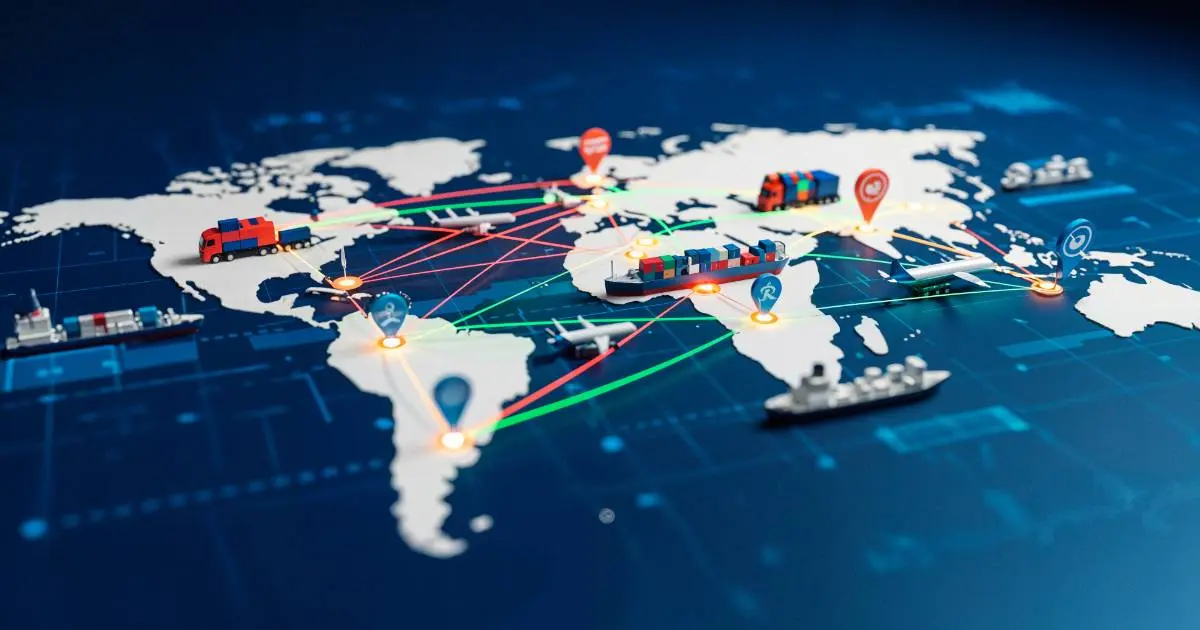
India’s regional logistics boom is accelerating as Tier-2 cities emerge as critical hubs for supply chain expansion. Rising consumption, infrastructure upgrades, and e-commerce penetration are shifting logistics demand beyond metros, creating new opportunities and operational challenges across the country.
Tier-2 Cities Become the New Logistics Backbone
India’s regional logistics boom is closely tied to the rapid rise of Tier-2 cities such as Indore, Nagpur, Coimbatore, and Lucknow. These cities are no longer just consumption centers but are evolving into key distribution and warehousing hubs.
Lower real estate costs and reduced congestion compared to metros make these locations attractive for logistics companies. Large players like Delhivery and Ecom Express have already expanded their networks deep into these regions to improve delivery timelines.
The shift is also demand-driven. With more consumers in smaller cities ordering online, companies are restructuring supply chains to position inventory closer to these markets rather than relying solely on metro-based warehouses.
Infrastructure Push Accelerates Supply Chain Expansion
Government-led infrastructure projects are playing a central role in enabling supply chain expansion. Programs such as PM Gati Shakti and Bharatmala have improved road connectivity between industrial clusters and emerging cities.
Dedicated freight corridors and better highway networks are reducing transit times significantly. This allows companies to adopt hub-and-spoke models with Tier-2 cities acting as regional hubs.
Rail freight modernization and the expansion of multimodal logistics parks are also improving efficiency. These developments are critical for industries like FMCG, pharmaceuticals, and e-commerce that rely on time-sensitive deliveries.
E-commerce Growth Fuels Regional Demand
The rise of e-commerce platforms such as Flipkart and Amazon India has been a major catalyst behind the logistics boom.
A significant share of new users now comes from non-metro regions. This has forced companies to build localized fulfillment centers to ensure faster deliveries and reduce last-mile costs.
Quick commerce players are also entering select Tier-2 markets, although profitability remains a concern. Still, the trend indicates a clear shift in consumption patterns, with smaller cities contributing meaningfully to order volumes.
For logistics firms, this means higher shipment density in regions that were previously underserved, making operations more viable and scalable.
Rise of Local Warehousing and 3PL Players
Third-party logistics providers are seeing increased demand for warehousing solutions in Tier-2 locations. Companies are investing in grade-A warehouses in cities like Jaipur, Ahmedabad, and Kochi to support regional distribution.
Local players are also entering the market, offering specialized services such as cold chain logistics and last-mile delivery. This is particularly relevant for sectors like agriculture and pharmaceuticals.
The growth of 3PL services is helping businesses scale faster without heavy capital investment. It also allows small and medium enterprises in Tier-2 regions to access professional logistics networks, improving their competitiveness.
Challenges in Scaling Regional Logistics Networks
Despite strong growth, several challenges remain. Infrastructure gaps still exist in certain regions, particularly in terms of warehousing standards and urban planning.
Workforce availability and skill development in logistics operations can also be inconsistent outside major cities. Additionally, reverse logistics and returns management continue to be complex in semi-urban and rural areas.
Cost management is another issue. While real estate is cheaper, fragmented demand and longer last-mile routes can increase operational expenses if not optimized properly.
Companies are addressing these challenges through technology adoption, including route optimization, AI-driven demand forecasting, and automation in warehouses.
What This Means for India’s Economic Growth
The expansion of logistics into Tier-2 cities is not just an industry trend but a broader economic shift. It is enabling businesses to tap into new markets, create jobs, and improve supply chain resilience.
As regional consumption grows, companies that invest early in these markets are likely to gain a competitive advantage. The logistics sector, often seen as a backbone of the economy, is becoming a key driver of inclusive growth.
This transformation is also aligned with India’s long-term vision of reducing logistics costs as a percentage of GDP, making the country more competitive globally.
Takeaways
- Tier-2 cities are emerging as critical logistics and warehousing hubs across India
- Infrastructure initiatives are significantly improving supply chain efficiency
- E-commerce growth is driving demand for localized distribution networks
- Challenges remain in cost, workforce, and last-mile delivery optimization
FAQs
Q1. Why are Tier-2 cities important for India’s logistics sector?
Tier-2 cities offer lower costs, growing demand, and strategic locations, making them ideal for regional distribution and faster deliveries.
Q2. How is e-commerce influencing logistics expansion?
E-commerce platforms are increasing demand from non-metro users, pushing companies to build fulfillment centers closer to these markets.
Q3. What role does infrastructure play in logistics growth?
Improved highways, freight corridors, and logistics parks reduce transit time and enable efficient supply chain networks.
Q4. What are the key challenges in regional logistics expansion?
Challenges include infrastructure gaps, workforce issues, and higher last-mile delivery costs in less dense areas.









Leave a comment