

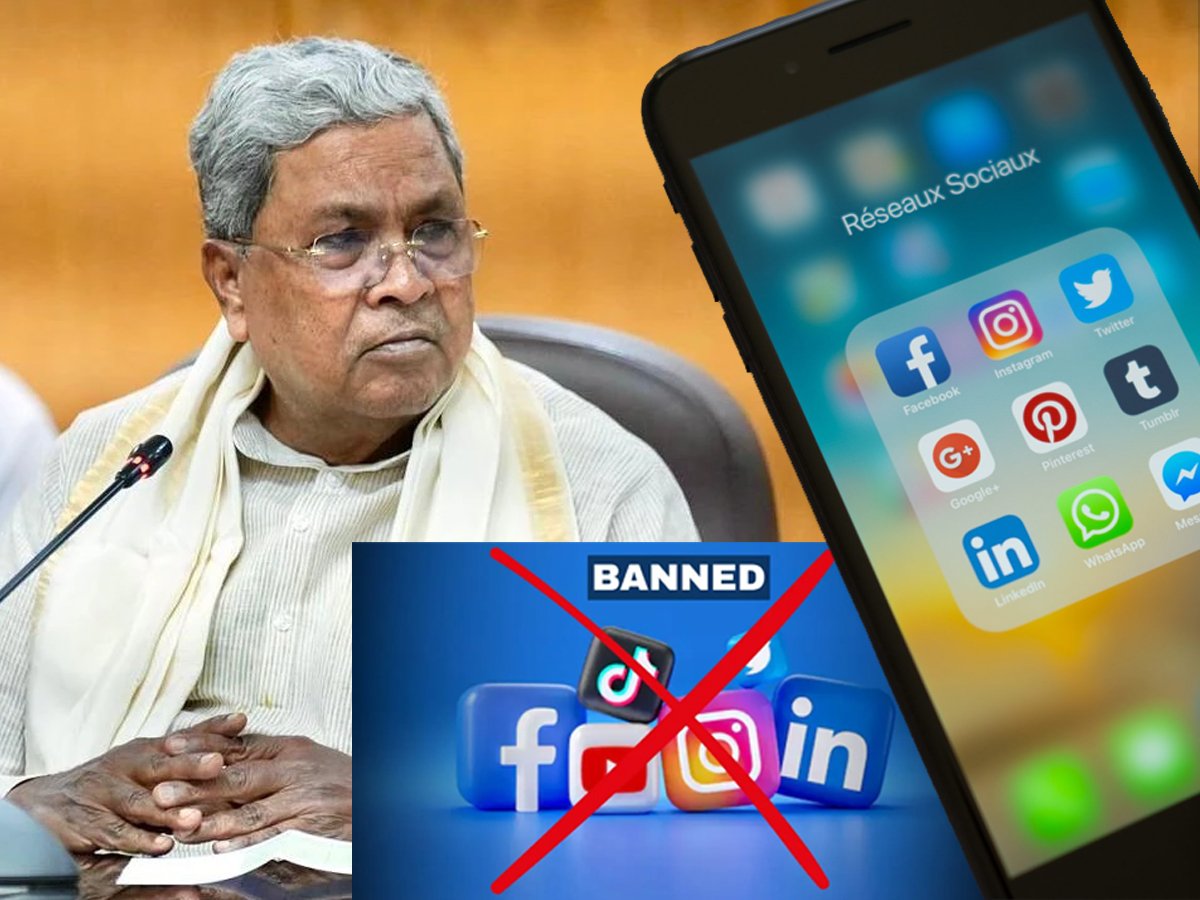
Karnataka’s proposed social media ban for under 16 users has triggered debate across India’s technology industry. The move aims to protect minors online but also raises questions about platform regulation, digital responsibility, and compliance challenges for global tech companies.
Karnataka’s Social Media Ban for Under 16 Users Explained
Karnataka’s social media ban for under 16 users has become a major talking point in India’s technology policy discussions. The proposal focuses on restricting access to social media platforms for minors below the age of sixteen in an effort to improve online safety and reduce exposure to harmful digital content.
The idea reflects growing concern among policymakers about the impact of social media on young users. Issues such as online harassment, addiction to digital platforms, exposure to inappropriate content, and mental health risks have increasingly come under scrutiny worldwide.
Governments in several countries have begun exploring regulatory frameworks aimed at protecting minors online. Karnataka’s move signals that Indian states may also begin examining stricter rules for social media platforms operating within their jurisdictions.
If implemented, the policy could require technology companies to introduce stronger age verification systems and modify how their services are accessed by younger users.
Growing Global Trend of Regulating Social Media for Minors
The debate around social media regulation for minors is not limited to India. Governments across the world are considering rules that restrict or monitor digital platform access for children and teenagers.
Countries such as Australia, the United Kingdom, and several European Union members have introduced or proposed regulations aimed at improving online safety for younger audiences. These measures often include stronger data protection rules, restrictions on targeted advertising to minors, and enhanced parental control tools.
The primary concern behind these policies is the rapid growth of social media usage among teenagers. Research and public discussions increasingly link excessive social media use with issues such as sleep disruption, anxiety, and reduced concentration.
For policymakers, the challenge lies in balancing child safety with digital access. Young people often rely on online platforms for communication, learning, and creative expression. Completely restricting access may therefore create new debates about digital freedom and technological inclusion.
Impact on Tech Companies and Digital Platforms
For technology companies, Karnataka’s social media ban proposal could create operational and regulatory challenges. Platforms such as social networking sites, messaging services, and video sharing apps may need to implement stronger systems to verify user age.
Age verification is one of the most complex issues in digital regulation. Many platforms currently rely on self declared age information when users create accounts. This method can be easily bypassed, especially by younger users who may simply enter a false birth date.
To comply with stricter regulations, companies may need to explore advanced verification methods. These could include identity based verification, parental consent systems, or artificial intelligence tools that detect underage users.
Such changes could increase compliance costs for companies and require modifications to existing platform infrastructure. Technology firms may also need to update privacy policies, data handling practices, and content moderation systems.
Challenges in Implementing Age Based Restrictions
Implementing a social media ban for users under sixteen presents several practical challenges. One major concern is how authorities will enforce the regulation across global digital platforms that operate in multiple jurisdictions.
Unlike traditional industries, social media services operate across borders through the internet. A state level regulation may therefore require coordination with national authorities and platform operators.
Another challenge involves balancing safety with privacy. Age verification systems that require identity documents could raise concerns about user data protection and surveillance.
Parents and educators also play a role in digital safety. Many experts argue that digital literacy programs and parental awareness initiatives may be equally important in protecting young users online.
Rather than relying solely on restrictions, a combination of regulation, education, and platform responsibility may offer a more effective solution.
What the Policy Could Mean for India’s Digital Regulation
Karnataka’s proposal could influence future digital policy discussions across India. As internet usage grows rapidly, governments are increasingly examining how to regulate online platforms while protecting citizens.
India already has digital governance frameworks such as the Information Technology Rules, which require social media companies to follow certain content moderation and grievance redressal standards.
However, age based restrictions on social media could represent a new direction in digital policy. If implemented successfully, similar measures could be considered by other states or even at the national level.
For technology companies, this means preparing for a regulatory environment that is gradually becoming more structured. Platforms may need to invest in compliance mechanisms, transparency tools, and safety features designed specifically for younger users.
The conversation around social media and youth safety is therefore likely to continue shaping technology regulation in India in the coming years.
Key Takeaways
• Karnataka has proposed a social media ban for users under the age of sixteen
• The move reflects growing concerns about online safety and mental health among minors
• Technology platforms may need stronger age verification and compliance systems
• The proposal could influence future digital regulation discussions across India
FAQ
What is Karnataka’s social media ban for under 16 users?
It is a proposed regulatory measure aimed at restricting access to social media platforms for users below the age of sixteen in order to improve online safety.
Why are governments considering social media restrictions for minors?
Concerns about online harassment, exposure to harmful content, and the mental health impact of excessive social media use have led policymakers to explore protective regulations.
How could the rule affect tech companies?
Platforms may need to implement stronger age verification systems, parental consent mechanisms, and updated privacy policies to comply with the regulation.
Will other Indian states introduce similar rules?
It is possible. If the proposal gains policy support, similar regulations could be discussed in other states or at the national level.












Leave a comment