

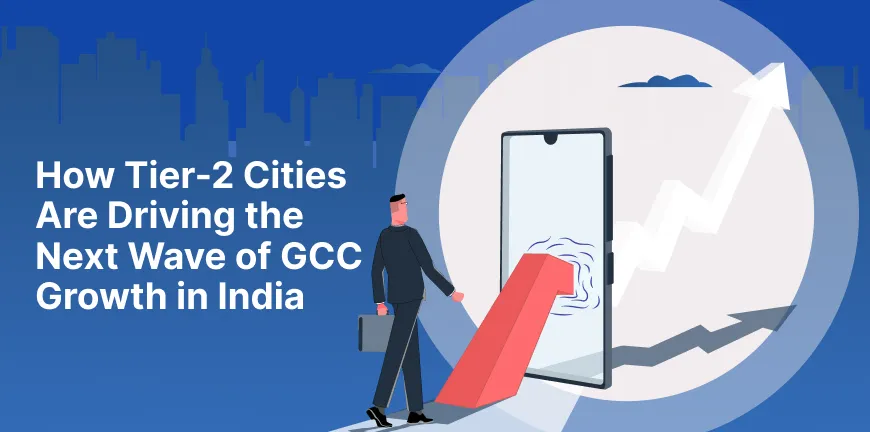
India’s Tier 2 cities are emerging as key drivers of MSME expansion, supported by improving infrastructure, digital connectivity, and government initiatives. As entrepreneurship spreads beyond major metros, smaller cities are shaping the next phase of India’s manufacturing, services, and small business growth.
Tier 2 India Emerging as a Strong Engine for MSME Expansion
How Tier 2 India is driving the next phase of India’s MSME expansion has become a major discussion point in policy and business circles. Across the country, cities beyond traditional metro hubs are witnessing a surge in micro, small and medium enterprises.
Entrepreneurs in cities such as Indore, Coimbatore, Jaipur, Surat, and Lucknow are building businesses in manufacturing, retail, services, and technology. Improved road networks, digital infrastructure, and easier access to financial services are helping small enterprises operate efficiently outside major metropolitan areas.
India has more than 60 million MSMEs, according to government data. A significant share of these businesses operate in Tier 2 and Tier 3 cities where operational costs are lower and local demand continues to expand.
The expansion of these businesses is contributing to employment generation, regional economic development, and stronger domestic manufacturing capacity.
Lower Costs and Local Demand Fuel Small Business Growth
One of the biggest reasons behind MSME growth in Tier 2 India is the cost advantage compared with metro cities. Office rent, industrial land, and workforce expenses are generally lower in smaller cities, allowing entrepreneurs to operate businesses with manageable overheads.
Local demand also plays an important role. As incomes rise in smaller cities, consumption patterns are changing. Residents are spending more on consumer goods, services, healthcare, education, and digital products. This growing demand creates opportunities for local entrepreneurs to establish new businesses.
Manufacturing clusters have also developed around many Tier 2 cities. Textile hubs in Surat, automotive components in Coimbatore, and food processing industries in Indore are examples of how regional clusters support MSME expansion.
These clusters help small businesses access suppliers, skilled workers, and logistics networks more easily.
Digital Infrastructure Strengthening the Tier 2 Startup Ecosystem
Digital infrastructure has transformed the way MSMEs operate in Tier 2 cities. Affordable internet access, digital payments, and e commerce platforms allow businesses to reach customers across the country.
The rapid adoption of UPI based payments has made financial transactions easier for small businesses. Entrepreneurs can now accept payments instantly and maintain digital records, which also improves access to credit from banks and fintech platforms.
Online marketplaces have also enabled MSMEs to sell products nationwide without building large physical distribution networks. Small manufacturers and retailers from Tier 2 cities are increasingly using digital platforms to reach urban customers.
Cloud based business tools and social media marketing have further reduced barriers to entry for entrepreneurs. These technologies allow small enterprises to compete with larger companies by improving efficiency and visibility.
Government Policies Supporting MSME Growth in Smaller Cities
Government initiatives have played a significant role in promoting MSME expansion beyond metropolitan regions. Programs such as Make in India, Digital India, and Startup India encourage entrepreneurship and manufacturing activity across the country.
The government has also introduced schemes that provide financial assistance, credit guarantees, and infrastructure support for small businesses. Programs like the Credit Guarantee Fund Trust for Micro and Small Enterprises and the Emergency Credit Line Guarantee Scheme have helped MSMEs access working capital during challenging economic periods.
Industrial corridors and logistics infrastructure projects are further supporting regional business growth. Improved highways, freight corridors, and warehousing networks allow manufacturers in smaller cities to transport goods efficiently across domestic markets.
Skill development programs have also expanded in Tier 2 cities, helping entrepreneurs access trained workers in manufacturing, technology, and services.
Investment and Talent Shifting Beyond Metro Cities
Another factor contributing to MSME growth in Tier 2 India is the gradual shift of talent and investment beyond metro cities. Many professionals who previously worked in large metropolitan areas are choosing to start businesses in their hometowns or smaller cities.
Lower living costs and improved digital connectivity make it possible to run businesses from locations outside major urban centers. This trend accelerated during the pandemic when remote work became more common.
Investors are also paying closer attention to emerging regional markets. Startup incubators, venture funds, and government innovation programs are supporting entrepreneurs in smaller cities through mentorship and funding opportunities.
As a result, Tier 2 cities are not only hosting traditional manufacturing businesses but also technology startups, service companies, and digital commerce ventures.
The Future of India’s MSME Expansion
The rise of Tier 2 India suggests that the future of MSME expansion will be more geographically distributed. Instead of concentrating business activity in a few major metros, entrepreneurship is spreading across multiple regional hubs.
This shift strengthens economic resilience by reducing regional imbalances and creating employment opportunities in smaller cities. It also helps businesses operate closer to emerging consumer markets.
With continued investment in infrastructure, digital connectivity, and financial access, Tier 2 cities are likely to play an even larger role in India’s economic growth over the coming decade.
For policymakers and investors, supporting entrepreneurship in these regions will remain critical to sustaining India’s long term growth trajectory.
Key Takeaways
• Tier 2 cities are becoming major centers for MSME growth in India
• Lower operating costs and rising local demand support small business expansion
• Digital infrastructure enables MSMEs to reach customers across the country
• Government policies and regional investment are strengthening entrepreneurship beyond metro cities
FAQ
What are Tier 2 cities in India?
Tier 2 cities are mid sized urban centers that are smaller than major metropolitan areas but still have significant economic activity and infrastructure development.
Why are MSMEs growing in Tier 2 cities?
Lower operational costs, growing consumer demand, improved infrastructure, and digital connectivity make smaller cities attractive for entrepreneurs.
How does digital technology help MSMEs in smaller cities?
Digital payments, e commerce platforms, and cloud based tools allow small businesses to reach customers nationwide and manage operations efficiently.
Will Tier 2 cities continue to drive MSME growth?
Yes. With infrastructure investments and increasing entrepreneurship, Tier 2 cities are expected to remain important drivers of India’s small business and manufacturing growth.










Leave a comment