

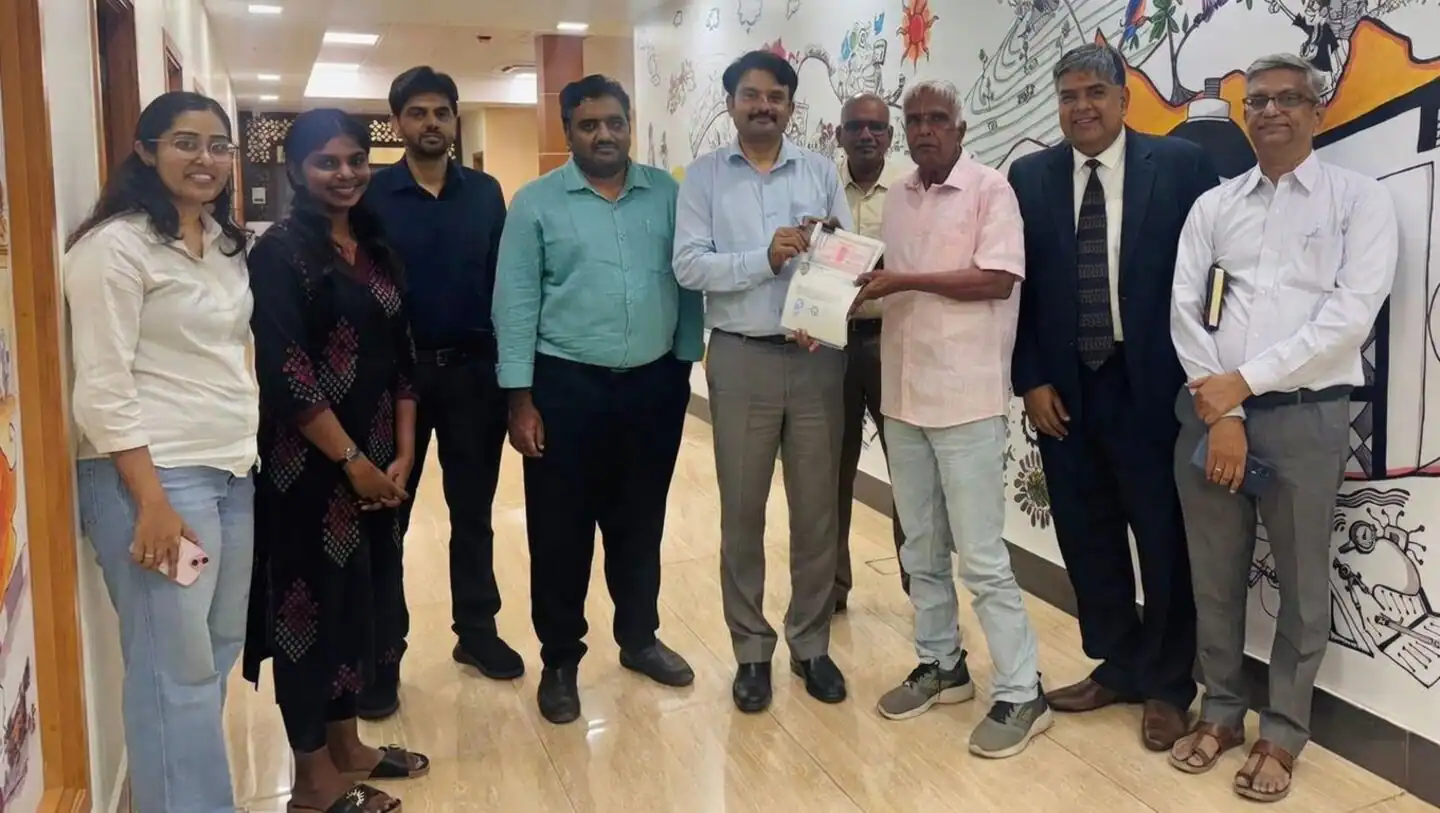
Semiconductor startup Aheesa has attracted ₹20 crore in state backed investment, highlighting India’s growing push to strengthen its domestic semiconductor ecosystem. The funding supports the government’s broader strategy to build local chip design and manufacturing capabilities.
Semiconductor startup Aheesa attracts ₹20 crore state backed investment as India intensifies efforts to develop a stronger semiconductor and electronics manufacturing ecosystem. The investment reflects increasing support for deep technology startups working in chip design, semiconductor research, and advanced electronics development within the country.
Aheesa’s Role in India’s Semiconductor Startup Ecosystem
Aheesa operates in the semiconductor technology sector, which has become a strategic priority for India’s technology and manufacturing ambitions. Semiconductor startups typically focus on areas such as chip design, embedded systems, microelectronics research, and specialized semiconductor components.
These technologies are essential for a wide range of industries including consumer electronics, automotive manufacturing, telecommunications, and artificial intelligence systems.
India currently relies heavily on semiconductor imports to support its electronics industry. This dependence has encouraged policymakers and investors to support startups that can contribute to domestic semiconductor development.
Companies like Aheesa are working to build capabilities in chip design and semiconductor innovation, which are critical components of the global semiconductor value chain.
State Backed Investment Strengthens Semiconductor Innovation
The ₹20 crore state backed investment secured by Aheesa highlights the growing role of government support in developing India’s semiconductor ecosystem. Public funding programs often provide early stage capital to deep technology startups that require significant research and development investment.
Semiconductor development is capital intensive and involves long innovation cycles. Startups working in this sector often need support from government backed funds, research grants, and technology development programs.
State supported investment helps companies accelerate research, build prototypes, and collaborate with academic institutions or industry partners. These initiatives aim to strengthen India’s domestic technology capabilities in areas considered strategically important.
By supporting semiconductor startups, policymakers seek to reduce dependence on global supply chains and promote local innovation.
India’s Semiconductor Mission and Policy Support
India has introduced several initiatives to encourage semiconductor development and electronics manufacturing. Government programs focus on attracting investment in chip fabrication, semiconductor design, and advanced electronics production.
One of the key initiatives is the India Semiconductor Mission, which aims to develop a comprehensive semiconductor ecosystem in the country. The program includes financial incentives for companies involved in chip manufacturing, semiconductor design, and supply chain development.
Several states have also launched semiconductor policies offering incentives such as capital subsidies, research grants, and infrastructure support for semiconductor companies.
These policies are designed to encourage both domestic startups and global technology companies to invest in semiconductor research and manufacturing facilities in India.
Growing Demand for Semiconductors Across Industries
Semiconductors are essential components used in nearly every modern electronic device. Smartphones, computers, automobiles, medical equipment, and industrial machinery all rely on semiconductor chips to function.
Global demand for semiconductors has grown significantly due to increasing digitalization, expansion of cloud computing, and the rise of technologies such as artificial intelligence and electric vehicles.
Supply chain disruptions during recent years highlighted the risks of relying heavily on a limited number of global semiconductor manufacturing hubs. As a result, many countries including India are seeking to develop domestic semiconductor capabilities.
Startups like Aheesa play an important role in this effort by contributing innovation and specialized expertise in semiconductor design and development.
Opportunities for Semiconductor Startups in India
India offers several advantages for semiconductor startups. The country has a large pool of engineers with expertise in electronics design, software development, and embedded systems.
Global technology companies already operate major semiconductor design centers in India, particularly in cities such as Bengaluru, Hyderabad, and Noida. These centers have created a strong talent base for semiconductor engineering.
Additionally, India’s rapidly growing electronics manufacturing sector creates demand for locally developed semiconductor solutions. Government initiatives promoting domestic manufacturing further strengthen this opportunity.
For startups, collaboration with research institutions, universities, and industry partners can help accelerate innovation and product development.
Challenges Facing Semiconductor Startups
Despite growing support, semiconductor startups face several challenges. Semiconductor technology development requires significant capital investment, advanced research infrastructure, and specialized engineering talent.
The industry also involves complex supply chains that include fabrication facilities, testing laboratories, and packaging technologies. Building a fully integrated semiconductor ecosystem requires coordination across multiple sectors.
Startups must also compete with established global semiconductor companies that have decades of experience and extensive resources.
However, targeted government incentives and investment support can help emerging companies overcome some of these barriers.
Outlook for India’s Semiconductor Innovation
The investment in Aheesa reflects a broader effort to strengthen India’s position in the global semiconductor industry. By supporting domestic startups, policymakers aim to create a sustainable ecosystem for chip design and electronics innovation.
In the long term, successful semiconductor startups could contribute to local technology development, strengthen supply chain resilience, and support India’s expanding electronics manufacturing sector.
As global demand for semiconductor technologies continues to grow, India’s investment in research, startups, and manufacturing infrastructure may play an increasingly important role in the global semiconductor landscape.
Takeaways
Semiconductor startup Aheesa has secured ₹20 crore in state backed investment
The funding supports development of domestic semiconductor technology in India
Government initiatives are encouraging innovation in chip design and electronics
Growing global demand for semiconductors creates opportunities for Indian startups
FAQs
What does semiconductor startup Aheesa do?
Aheesa operates in the semiconductor technology sector, focusing on chip design and related electronics innovation.
How much investment did Aheesa receive?
The company secured ₹20 crore in state backed funding to support research and development activities.
Why is India investing in semiconductor startups?
India aims to reduce dependence on semiconductor imports and develop a stronger domestic chip technology ecosystem.
What industries depend on semiconductor chips?
Semiconductors are used in smartphones, computers, automobiles, industrial equipment, and many other electronic devices.











Leave a comment