

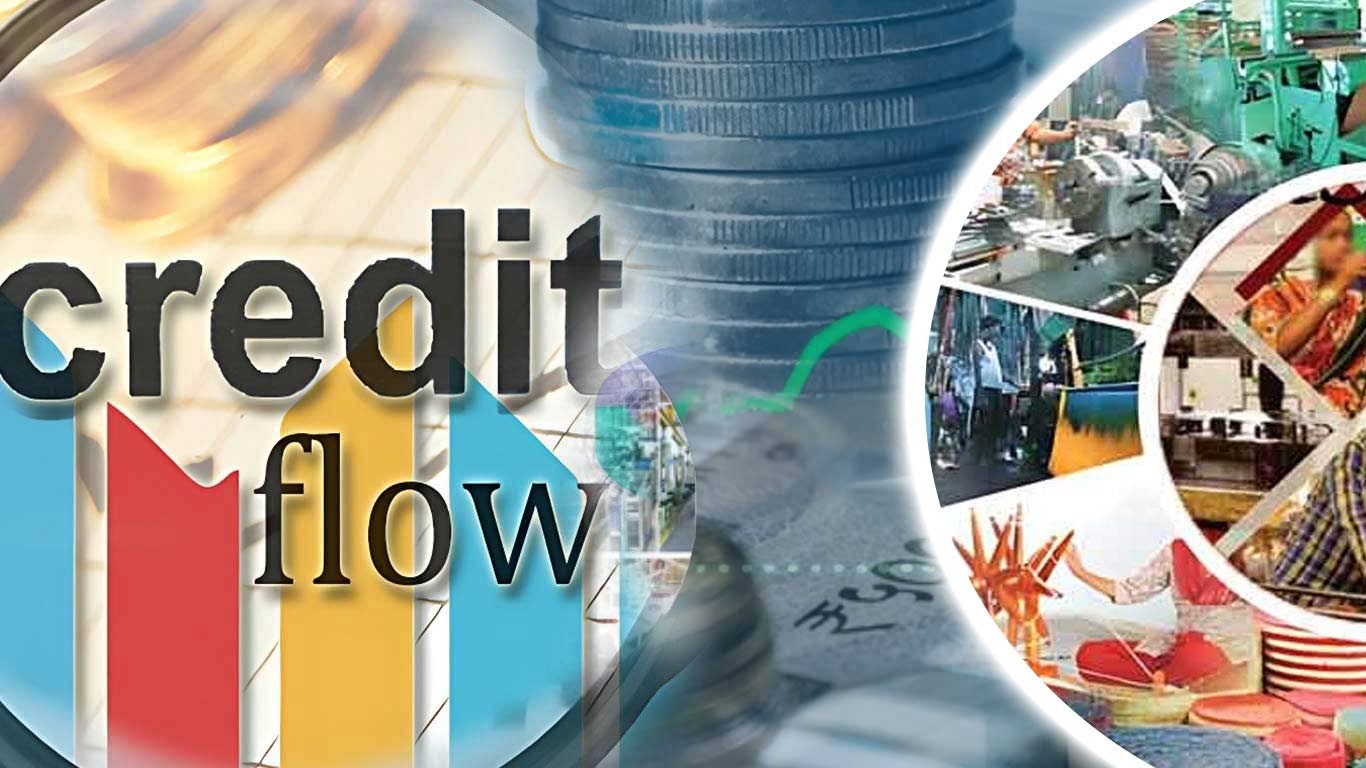
RBI’s tight liquidity stance is beginning to impact MSME credit flow across Tier-2 cities, with lenders turning cautious and loan disbursals slowing. Small businesses are facing higher borrowing costs and stricter approval norms, affecting working capital cycles and growth plans.
RBI tight liquidity MSME credit impact is now visible at the ground level as small businesses in Tier-2 cities face tighter access to funding. Over recent months, the Reserve Bank of India’s focus on managing inflation and maintaining financial stability has reduced surplus liquidity in the banking system, directly influencing lending behavior toward MSMEs.
Liquidity tightening reduces credit availability for MSMEs
The RBI’s calibrated liquidity tightening has led to a decline in readily available funds within the banking system. This has made banks and NBFCs more selective in extending loans, particularly to segments perceived as higher risk such as MSMEs.
In Tier-2 cities, where small businesses rely heavily on external credit for working capital, this shift is becoming more pronounced. Lenders are slowing down approvals, increasing due diligence, and focusing on borrowers with stronger financial profiles.
Secondary keyword focus such as MSME credit slowdown India and Tier-2 lending trends highlights how liquidity conditions are directly affecting credit access in non-metro markets.
Borrowing costs rise amid tighter financial conditions
One of the immediate effects of reduced liquidity is an increase in borrowing costs. Even in the absence of sharp policy rate hikes, the cost of funds for lenders has risen, leading to higher interest rates for MSME loans.
For small businesses operating on thin margins, especially in trading and manufacturing clusters, even marginal increases in interest rates can impact profitability. Many MSMEs in Tier-2 regions are reporting higher renewal rates on existing loans and reduced flexibility in repayment terms.
Secondary keywords like MSME loan interest rates India and cost of credit for small businesses underline the financial pressure building across this segment.
NBFCs and fintech lenders adopt cautious approach
NBFCs and fintech lenders, which have been key drivers of MSME credit expansion in smaller cities, are also tightening their lending strategies. With liquidity becoming expensive and risk perception rising, these lenders are shifting toward safer segments.
Unsecured business loans, which earlier saw rapid growth, are now witnessing stricter underwriting norms. Many lenders are reducing ticket sizes, focusing on repeat customers, or moving toward secured lending options such as loan against property or invoice financing.
This shift is particularly impactful in Tier-2 cities, where fintech-driven credit had improved access for first-time borrowers.
Sector-specific stress emerges in Tier-2 economies
The impact of slower credit flow is not uniform across all MSME sectors. Businesses with predictable cash flows or asset backing are still able to secure loans, though at higher costs. However, sectors such as small manufacturing, construction-linked enterprises, and seasonal retail are facing greater challenges.
These businesses depend heavily on continuous access to working capital. Delays in credit availability can disrupt supply chains, inventory management, and day-to-day operations.
Secondary keyword themes such as MSME sector stress India and small business financing challenges reflect how liquidity tightening is translating into operational constraints on the ground.
Policy trade-offs between stability and growth
From a policy standpoint, the RBI’s tight liquidity stance is aimed at ensuring macroeconomic stability and controlling inflation. In a global environment marked by uncertainty and volatile capital flows, maintaining financial discipline is critical.
However, this approach also creates short-term trade-offs. While systemic risks are contained, credit flow to smaller businesses may slow down, impacting economic activity at the grassroots level.
For Tier-2 cities, where MSMEs are major contributors to employment and local growth, this balance between stability and credit availability becomes particularly important.
Outlook for MSME credit in coming quarters
The outlook for MSME credit flow will depend largely on how liquidity conditions evolve in the coming quarters. If inflation moderates and liquidity improves, lending activity could gradually pick up.
In the interim, lenders are expected to continue prioritising asset quality and risk management. MSMEs may increasingly explore alternative financing options such as supply chain financing, co-lending arrangements, and government-backed credit schemes.
Overall, the current scenario indicates a shift from easy credit availability to a more cautious lending environment, especially in Tier-2 and Tier-3 markets.
Takeaways
• RBI’s tight liquidity is slowing MSME credit flow in Tier-2 cities
• Borrowing costs are rising, impacting small business profitability
• NBFCs and fintech lenders are becoming more cautious in lending
• MSMEs may need to explore alternative financing options in the short term
FAQs
How does RBI liquidity tightening affect MSME loans?
It reduces available funds for lenders, leading to stricter loan approvals and higher interest rates.
Why are Tier-2 cities more impacted?
MSMEs in these regions rely heavily on external credit and have fewer financing alternatives compared to metro businesses.
Are NBFCs still lending to MSMEs?
Yes, but with stricter norms and a greater focus on secured or lower-risk lending segments.
What can MSMEs do in this situation?
They can explore supply chain financing, government schemes, or secured loans to manage credit needs.












Leave a comment