

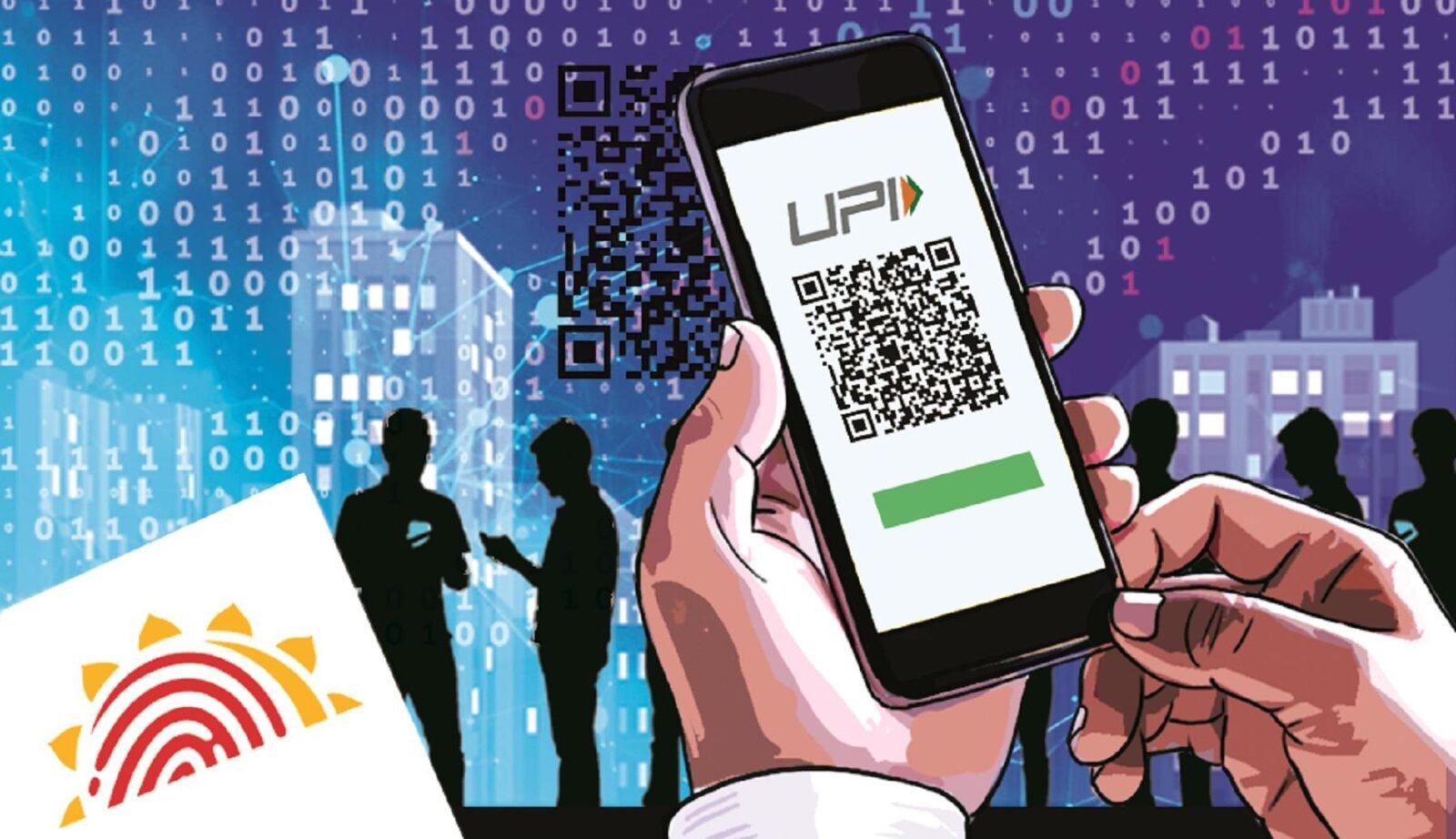
The UPI zero MDR model is under increasing scrutiny as policymakers and industry stakeholders debate its long term viability. With transaction volumes surging and infrastructure costs rising, questions around monetisation and sustainability are becoming central to India’s digital payments future.
The UPI zero MDR model has become a critical policy issue in India’s payments ecosystem. As Unified Payments Interface transactions cross billions every month, the absence of merchant discount rate revenue is raising concerns about who will fund the infrastructure that powers this scale.
Understanding the UPI Zero MDR Model in India
The zero MDR policy means merchants are not charged any fee for accepting UPI payments. Introduced to accelerate digital adoption, especially among small merchants, the policy has been instrumental in making UPI the dominant retail payment method in India.
Unlike card payments where merchants pay a small percentage as MDR, UPI transactions are free for both users and merchants. This has driven massive acceptance in Tier 2 and Tier 3 cities, where cost sensitivity is high.
However, the backend infrastructure is maintained by banks, payment service providers, and fintech companies, all of whom incur operational and technological costs without direct transaction based revenue.
Rising Concerns Around UPI Monetisation Challenges
The debate around UPI monetisation challenges has intensified as transaction volumes scale. Banks bear the cost of processing payments, maintaining servers, and handling dispute resolution, while fintech players invest heavily in user acquisition and innovation.
With no MDR revenue, these players rely on indirect monetisation methods such as cross selling financial products, data driven services, and partnerships. However, these revenue streams are not always sufficient or predictable.
Government incentives have partially compensated for the lack of MDR, but these subsidies are limited and subject to budget constraints. This raises questions about whether the current model can sustain long term growth without structural changes.
Impact on Banks, Fintechs, and Payment Ecosystem
The zero MDR policy has created an uneven economic model. Large players with diversified revenue streams can absorb the costs, but smaller fintech firms and payment startups face margin pressure.
Banks, especially public sector banks, are under strain as they handle high transaction volumes with limited fee income. This could impact their willingness to invest in further innovation or infrastructure upgrades.
For fintech companies, the focus is shifting toward building value added services such as lending, wealth management, and insurance distribution to generate revenue beyond payments.
Despite these challenges, the zero MDR model has played a key role in financial inclusion, bringing millions of small merchants and consumers into the digital ecosystem.
Policy Debate and Government’s Role in UPI Sustainability
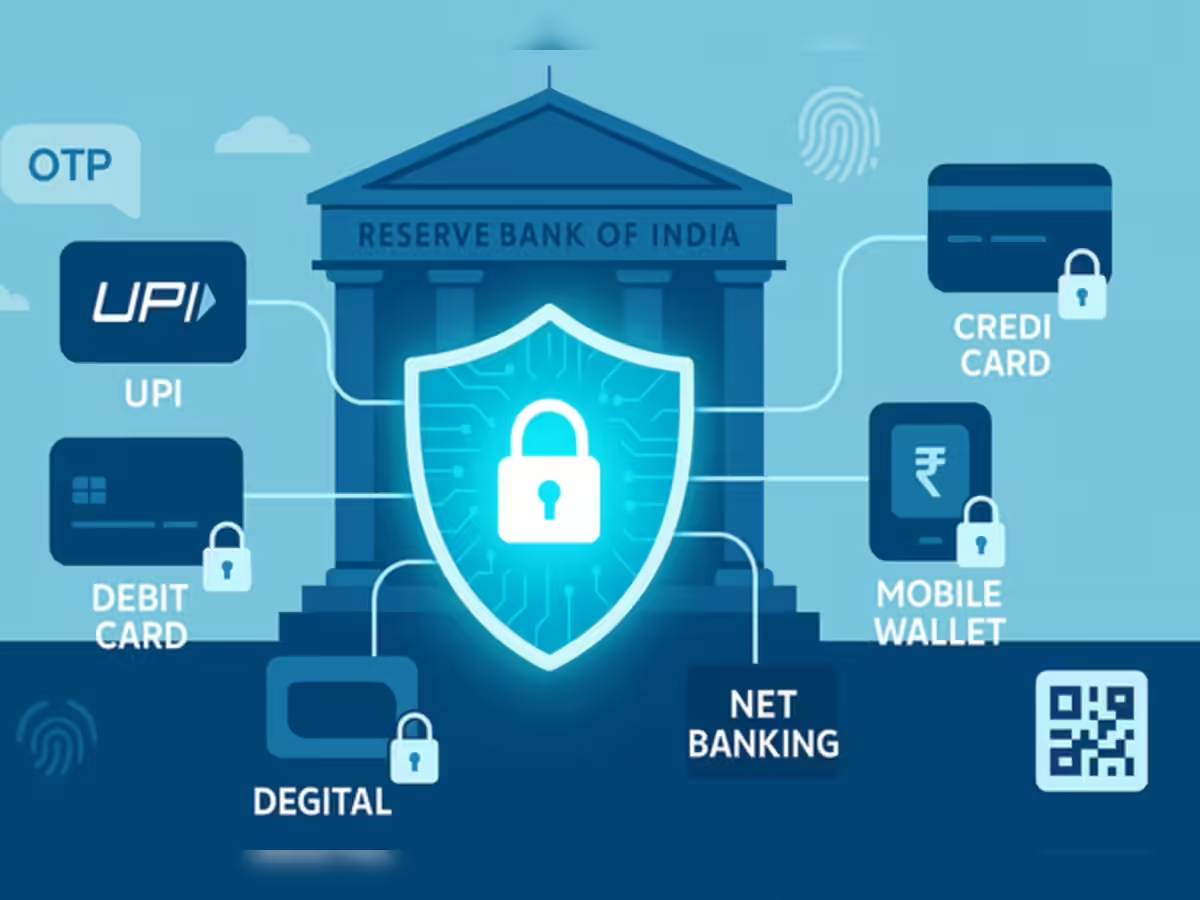
The government and regulators, including the Reserve Bank of India and NPCI, are now evaluating options to ensure UPI sustainability. Discussions include reintroducing MDR in a limited form, increasing government subsidies, or creating alternative revenue mechanisms.
Any move to introduce MDR could face resistance from merchants, especially small businesses that have benefited from zero cost acceptance. Policymakers must balance affordability with ecosystem sustainability.
There is also a strategic angle. UPI is not just a domestic payment system but a global digital public infrastructure export. Ensuring its long term viability is critical for India’s fintech leadership ambitions.
What This Means for Tier 2 and Tier 3 India
For smaller cities and rural markets, zero MDR has been a key driver of adoption. Street vendors, small retailers, and service providers have embraced UPI because it eliminates transaction costs.
If MDR is introduced, even at a low rate, it could impact adoption among price sensitive merchants. However, a sustainable ecosystem ensures better service quality, fewer outages, and continued innovation.
Consumers are unlikely to face direct charges in the near term, as policymakers are cautious about disrupting usage momentum. The focus remains on maintaining growth while addressing structural inefficiencies.
Future Outlook for UPI and Digital Payments
The UPI zero MDR debate signals a transition phase for India’s digital payments ecosystem. What began as a growth focused model is now entering a maturity phase where profitability and sustainability matter.
Globally, most payment systems rely on some form of transaction fee. India’s zero MDR approach is unique, but it may need adjustments as the ecosystem evolves.
The likely outcome is a hybrid model where certain categories of transactions or merchant segments may see nominal charges, while small merchants continue to benefit from subsidies.
Takeaways
Zero MDR has driven massive UPI adoption, especially in Tier 2 and Tier 3 markets
Banks and fintechs face rising cost pressures without direct transaction revenue
Policy discussions are focused on balancing affordability with ecosystem sustainability
A hybrid monetisation model is likely to emerge in the coming years
FAQs
What is the zero MDR model in UPI?
It means merchants are not charged any fee for accepting UPI payments, making transactions free for both users and businesses.
Why is UPI sustainability being questioned?
Because banks and fintech companies incur costs without earning transaction fees, raising concerns about long term viability.
Will UPI transactions become chargeable?
There is no immediate change, but policymakers are exploring options like limited MDR or alternative revenue models.
How does this affect small merchants?
Zero MDR has helped them adopt digital payments easily. Any change in policy will need to protect their interests.









Leave a comment