

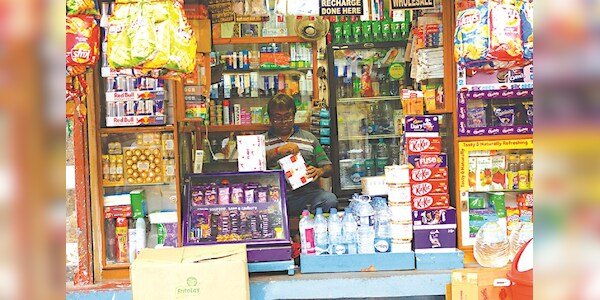
Rural consumption trends in India are reshaping how FMCG companies design products, price goods, and distribute essentials across smaller towns and villages. With demand patterns shifting rapidly, brands are now focusing on affordability, regional preferences, and rural-first marketing strategies to sustain growth.
India’s rural market has become one of the biggest growth drivers for FMCG companies over the past few years. While urban demand has remained uneven due to inflation and changing spending habits, rural consumers are gradually increasing purchases across packaged food, personal care, beverages, and household essentials.
Industry reports and recent company earnings suggest that major FMCG firms are redesigning product strategies to align with rural demand patterns. This shift is not temporary. It reflects a larger structural change in how companies view Bharat as a long-term consumption engine.
FMCG Companies Focus on Smaller Pack Sizes and Affordability
One of the clearest rural consumption trends is the growing demand for affordable daily-use products. FMCG companies are increasingly introducing low-cost sachets, mini packs, refill packs, and value pricing models to attract price-sensitive buyers.
Brands operating in categories such as shampoo, snacks, detergents, biscuits, and tea are expanding smaller SKUs in rural regions. The strategy helps consumers continue purchasing branded products even during inflationary pressure.
Companies including Hindustan Unilever, ITC Limited, and Dabur India have repeatedly highlighted rural recovery and affordability-focused product planning in recent business updates.
What this really means is that rural buyers are no longer seen only as low-income consumers. They are increasingly viewed as informed and aspirational customers who seek branded products at practical price points.
Regional Preferences Are Influencing Product Development
FMCG companies are also redesigning products according to regional tastes and local consumption behavior. This trend has become stronger as companies expand deeper into Tier-2 and Tier-3 markets.
Food and beverage brands are launching region-specific flavors, spice variants, millet-based snacks, and local taste combinations to improve acceptance. Personal care companies are similarly adapting products according to climate conditions and cultural preferences in different states.
For example, hair oils, skin creams, and packaged foods often perform differently in northern, western, or southern India. Rural consumers also tend to prefer products that balance affordability with utility and durability.
This has encouraged FMCG firms to increase local market research, strengthen distributor feedback systems, and use rural influencers for product awareness campaigns.
Rural Distribution Networks Become a Key Growth Strategy
Another major trend shaping FMCG product strategies is rural distribution expansion. Companies are investing heavily in last-mile delivery systems, village-level retail partnerships, and direct rural outreach.
Traditional kirana stores continue to dominate rural consumption. However, digital commerce and assisted online buying are slowly entering smaller towns through smartphones and regional-language platforms.
Many FMCG brands are now combining offline distribution with digital engagement. Rural consumers increasingly discover products through short videos, WhatsApp sharing, and regional content creators before making purchases at nearby shops.
The rise of rural internet penetration has also improved brand visibility. FMCG companies are therefore redesigning marketing campaigns using local languages, regional festivals, and culturally relevant storytelling instead of relying only on urban celebrity advertising.
Premiumization Slowly Expands Beyond Metro Cities
Although affordability remains important, premium rural consumption is also growing in select categories. Consumers in smaller towns are gradually spending more on health drinks, packaged foods, premium soaps, and wellness products.
Improved rural income, government infrastructure projects, and better financial inclusion have contributed to this shift. Younger rural consumers are also more brand-conscious than previous generations.
This changing behavior is pushing FMCG companies to create layered product portfolios. Many firms now offer entry-level products alongside premium variants within the same category.
For companies, this creates an opportunity to build long-term brand loyalty as rural consumers move up the consumption ladder over time.
FMCG Sector Likely to Depend More on Bharat Markets
The future growth of India’s FMCG industry is expected to depend heavily on non-metro markets. Rural India represents a massive customer base that continues to evolve economically and digitally.
As competition intensifies, companies that understand local preferences, affordability challenges, and rural aspirations are likely to gain stronger market share.
The redesign of FMCG product strategies is therefore not just about increasing sales. It reflects a broader shift toward building products specifically for Bharat rather than adapting urban models for rural consumers.
Key Takeaways
- FMCG companies are increasing focus on affordable product packs for rural consumers
- Regional tastes and local preferences are influencing product innovation
- Rural distribution and digital outreach are becoming major business priorities
- Premium product demand is gradually rising in Tier-2 and Tier-3 markets
FAQ
Why are FMCG companies focusing more on rural India?
Rural India offers significant long-term growth potential due to its large population, rising consumption, and improving digital access.
How are companies redesigning FMCG products for rural markets?
Companies are introducing smaller packs, region-specific products, affordable pricing, and localized marketing campaigns.
What role does digital technology play in rural FMCG growth?
Smartphone usage and regional-language internet content are helping brands connect directly with rural consumers.
Are rural consumers buying premium FMCG products?
Yes, demand for premium and health-focused products is slowly increasing in smaller towns and rural regions.











Leave a comment