

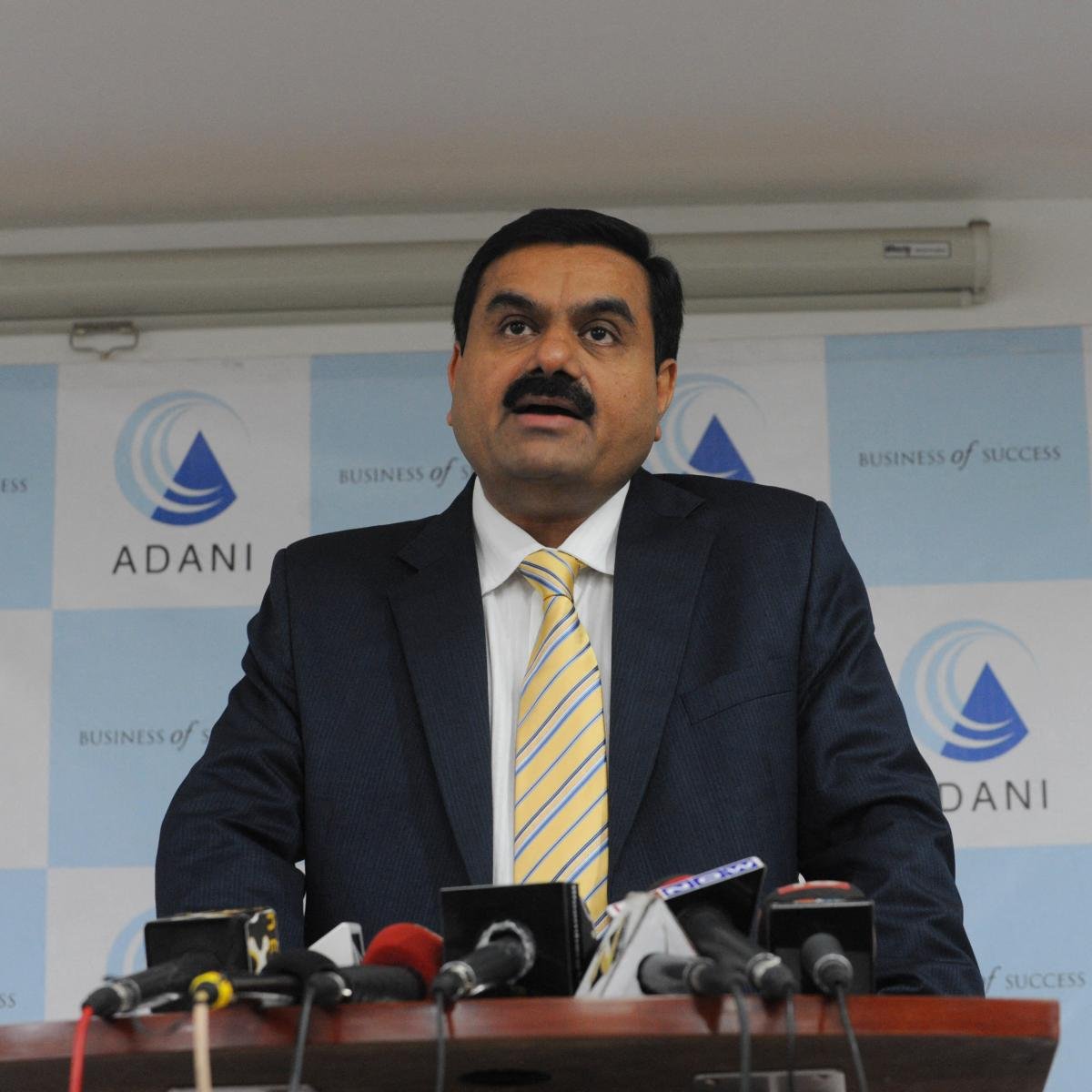
Adani Group’s infrastructure push is emerging as one of the biggest job creation stories in India. As the conglomerate expands in airports, ports, renewable energy, roads, and logistics, the ripple effects could significantly reshape employment opportunities in Tier-2 and Tier-3 cities.
India’s economic growth increasingly depends on infrastructure investment, and the Adani Group has become one of the country’s most aggressive private-sector investors in this space.
Why Adani Group Is Investing Heavily in Infrastructure
The Adani Group has expanded rapidly over the last decade through businesses such as Adani Ports and Special Economic Zone, Adani Green Energy, Adani Airports Holdings, and Adani Energy Solutions.
Its investments are aligned with sectors that are central to India’s long-term development. Ports improve trade efficiency, airports support tourism and commerce, renewable energy expands power generation, and logistics infrastructure lowers transportation costs.
Many of these projects are located outside major metros, bringing large-scale capital expenditure to smaller cities and industrial regions.
Direct Employment During Construction and Operations
Infrastructure projects create jobs in two phases.
The first phase is construction, which generates demand for civil engineers, machine operators, electricians, welders, drivers, and contract labor.
The second phase begins once the asset becomes operational. Airports require security personnel, customer service staff, baggage handlers, technicians, and maintenance teams. Ports need logistics coordinators, crane operators, and customs support professionals. Solar and wind projects create roles in monitoring and maintenance.
This combination of short-term and long-term employment can provide meaningful opportunities for local workers.
Tier-2 and Tier-3 Cities Stand to Benefit Most
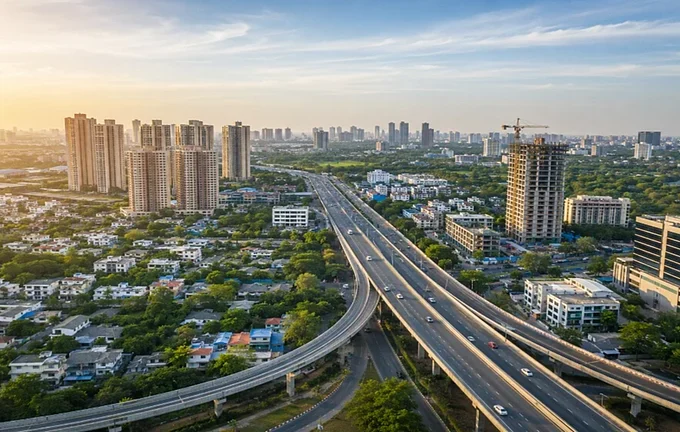
The biggest impact may be felt in cities such as Nagpur, Lucknow, Jaipur, Guwahati, Raipur, and Bhubaneswar, where infrastructure investment is accelerating.
When a new airport terminal, logistics park, or renewable energy project is developed near these cities, local residents gain access to jobs that were previously concentrated in larger urban centers.
Support industries also benefit. Hotels, restaurants, transport operators, training institutes, and equipment suppliers often see increased demand as projects progress.
This creates a broader economic multiplier effect.
Growth in Logistics and Supply Chain Careers
One of the most significant outcomes of infrastructure expansion is the rise of logistics jobs.
As Adani strengthens port networks, warehousing, and multimodal transportation, companies need professionals in inventory management, freight coordination, data analysis, and transportation planning.
These roles increasingly require digital skills rather than only manual labor, creating opportunities for graduates from commerce, engineering, and management backgrounds in smaller cities.
For young professionals, logistics is becoming a stable and scalable career path.
Renewable Energy Projects Open New Skill Opportunities
Adani Group has made renewable energy a major growth pillar through Adani Green Energy.
Large solar and wind installations require technicians, electrical engineers, environmental specialists, and operations staff.
This trend is encouraging technical institutes and skill centers to offer training in solar technology, grid systems, and energy management.
As India expands clean energy capacity, these jobs are expected to become more important.
Airports and Urban Development Create Service Sector Jobs
Adani operates several major airports, including those in Mumbai, Ahmedabad, and Lucknow.
Airport modernization supports direct employment and also stimulates surrounding development such as hotels, retail stores, transport services, and office spaces.
For smaller cities, better airport infrastructure can attract business activity and tourism, expanding local service-sector employment.
Challenges and Points to Watch
The long-term impact depends on project execution, financing conditions, regulatory approvals, and broader economic demand.
Many jobs generated during construction are temporary. Sustained benefits depend on whether operational assets continue to attract businesses and economic activity.
Workers may also need upskilling to qualify for technical and supervisory roles.
Why This Matters for India’s Workforce
India adds millions of young people to the workforce each year. Creating quality jobs beyond metros is critical.
The Adani Group’s infrastructure push could help decentralize employment by bringing industrial and service opportunities closer to smaller cities.
For students and job seekers in Tier-2 and Tier-3 India, sectors such as logistics, renewable energy, airport services, and infrastructure maintenance may offer strong career prospects over the coming decade.
Takeaways
- Adani Group’s investments in ports, airports, renewable energy, and logistics can generate both direct and indirect employment.
- Tier-2 and Tier-3 cities may benefit through local hiring and increased business activity.
- Logistics and renewable energy are emerging as high-growth career sectors.
- The long-term impact depends on project execution and workforce skill development.
FAQs
How does infrastructure investment create jobs?
Projects generate construction employment first, followed by permanent operational roles and indirect jobs in supporting industries.
Which sectors offer the most opportunities?
Logistics, airport services, renewable energy, civil engineering, and maintenance are among the fastest-growing areas.
Why are smaller cities important?
Many new projects are located outside metros, bringing employment closer to local communities.
Do workers need specialized skills?
Some roles are entry-level, but technical positions often require vocational training or engineering qualifications.











Leave a comment