

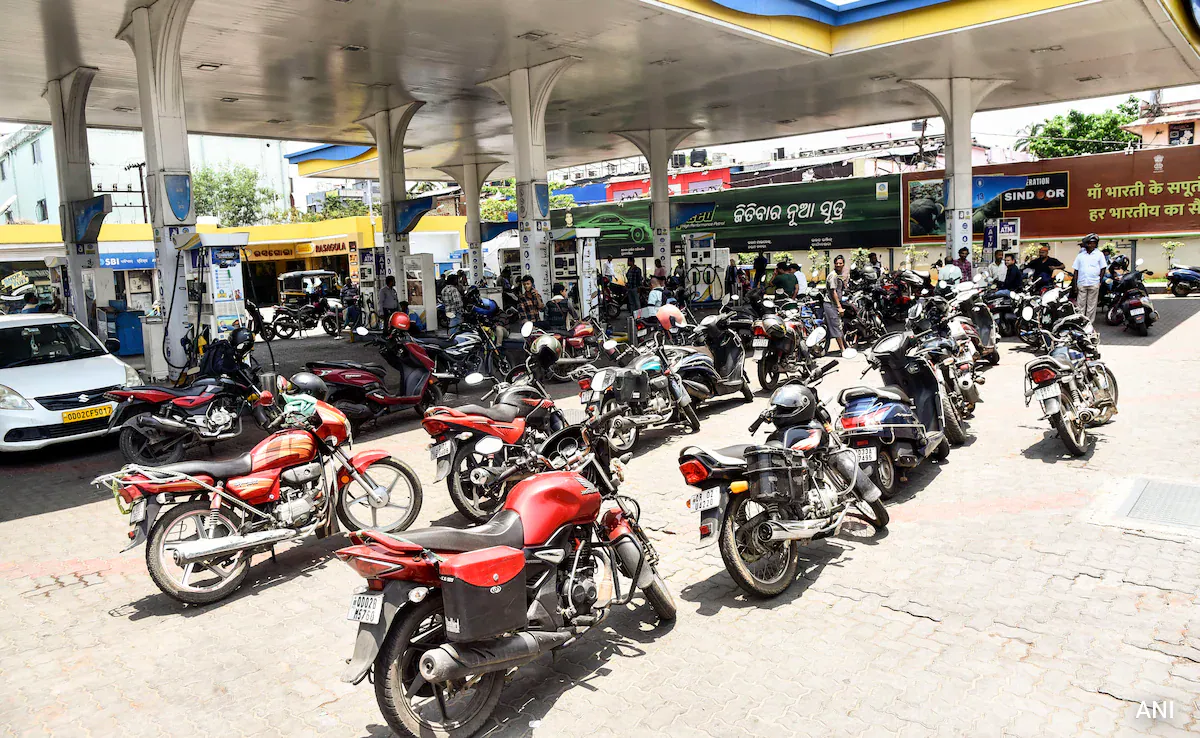
Rising petrol and diesel prices are once again putting pressure on small businesses in Tier-2 Indian cities. From transport operators and grocery stores to local manufacturers and delivery services, higher fuel costs are increasing operational expenses and reducing already thin profit margins.
Fuel prices have become a major concern for small business owners across Tier-2 India as petrol and diesel rates continue to rise in several states. The latest price hikes are affecting transportation costs, supply chains, local delivery operations, and even customer spending patterns. For businesses operating in smaller cities where margins are already tight, the impact is becoming difficult to ignore.
Rising Fuel Prices Increase Daily Operating Costs
Small businesses in cities such as Nagpur, Indore, Jaipur, Lucknow, and Surat are among the hardest hit by rising fuel expenses. Many local enterprises rely heavily on road transport for inventory movement and customer deliveries. As diesel prices climb, transportation vendors are increasing charges, directly affecting business profitability.
Local grocery distributors, furniture shops, hardware suppliers, and agricultural traders are reporting higher logistics expenses over the past few weeks. Businesses that operate their own delivery vehicles are facing an even greater burden because fuel is a recurring daily cost that cannot be avoided.
For many micro and small enterprises, fuel expenses are no longer a manageable overhead. Instead, they are becoming one of the largest monthly operational costs after salaries and rent.
Delivery and Transport Businesses Face Immediate Pressure
Delivery-based businesses are among the first to feel the effects of petrol and diesel price hikes. Courier operators, food delivery partners, local e-commerce sellers, and transport companies are seeing their fuel budgets rise rapidly.
In Tier-2 markets, delivery charges are often highly price-sensitive. Customers may reject higher delivery fees, forcing businesses to absorb additional fuel expenses themselves. This reduces profits and creates financial stress for small operators.
Truck owners and local transporters have also started increasing freight rates in several regions. As a result, retailers are paying more to transport goods from warehouses and wholesale markets. These higher transportation costs are eventually reflected in product prices for consumers.
Some businesses have responded by reducing delivery areas, limiting trips, or increasing minimum order values to manage fuel-related losses.
Impact on Retailers and Consumer Spending
Fuel price hikes do not affect businesses alone. They also influence consumer behavior. When petrol and diesel become expensive, household spending patterns often change. Families tend to cut discretionary purchases and focus only on essential goods.
Retail shop owners in smaller cities are already noticing slower customer movement in categories such as electronics, fashion, and home improvement products. Consumers are becoming more cautious with spending because fuel expenses affect monthly household budgets directly.
This creates a double challenge for local businesses. Operating costs rise while customer demand weakens at the same time.
Small restaurant owners and food businesses are also facing pressure from rising LPG, transportation, and ingredient costs. Many are hesitant to increase menu prices because they fear losing price-sensitive customers.
Tier-2 Businesses Have Fewer Financial Buffers
Large corporations often have stronger cash reserves and more flexibility to absorb temporary cost increases. Small businesses in Tier-2 India usually operate with limited working capital and lower profit margins.
Many businesses depend on weekly cash flow cycles. A sudden increase in diesel costs can disrupt supply planning, inventory purchases, and vendor payments. Smaller enterprises also have limited bargaining power when negotiating transport rates with logistics providers.
Businesses in sectors such as agriculture, construction materials, dairy distribution, and wholesale trade are particularly vulnerable because transportation forms a major part of their operating model.
Financial experts believe prolonged fuel inflation may force smaller businesses to either raise prices or reduce operations if costs remain elevated for an extended period.
Digital and Electric Alternatives Gain Attention
The continued rise in fuel prices is also pushing some businesses to explore alternatives. Electric two-wheelers for delivery operations are becoming more common in smaller cities due to lower running costs.
Some businesses are shifting toward hyperlocal sourcing to reduce transportation expenses. Others are adopting route optimization tools and digital inventory systems to lower unnecessary fuel consumption.
However, widespread adoption of electric commercial transport in Tier-2 India still faces challenges. Charging infrastructure remains limited in many regions, and the upfront cost of electric vehicles remains high for small business owners.
Despite these limitations, fuel volatility is accelerating conversations around cost-efficient transportation and sustainable business operations.
What the Current Situation Means for Small Businesses
Fuel price hikes often create ripple effects across the economy, but their impact is especially visible in smaller cities where businesses operate with tighter financial limits. Continued increases in petrol and diesel rates could lead to higher product prices, reduced consumer demand, and slower local business growth.
For now, many business owners are trying to balance operational survival with customer affordability. The coming months will determine whether fuel prices stabilize or continue putting pressure on India’s small business ecosystem.
Key Takeaways
- Rising petrol and diesel prices are increasing operational costs for Tier-2 businesses
- Delivery services, transport operators, and retailers are among the most affected sectors
- Consumers in smaller cities are becoming more cautious with spending due to fuel inflation
- Some businesses are exploring electric vehicles and digital tools to reduce fuel dependency
FAQs
Why are fuel price hikes affecting small businesses more than large companies?
Small businesses usually operate on lower profit margins and limited cash reserves. Even small increases in fuel costs can significantly affect daily operations and profitability.
Which sectors are most impacted by rising diesel prices?
Transport services, retail distribution, agriculture supply chains, local delivery businesses, and wholesale trading are among the most affected sectors.
Are businesses increasing product prices because of fuel costs?
Some businesses are increasing prices gradually, while others are trying to absorb costs to avoid losing customers in competitive local markets.
Can electric vehicles help small businesses reduce costs?
Electric vehicles can reduce long-term fuel expenses, especially for delivery operations. However, charging infrastructure and initial investment costs remain challenges in many Tier-2 cities.









Leave a comment