

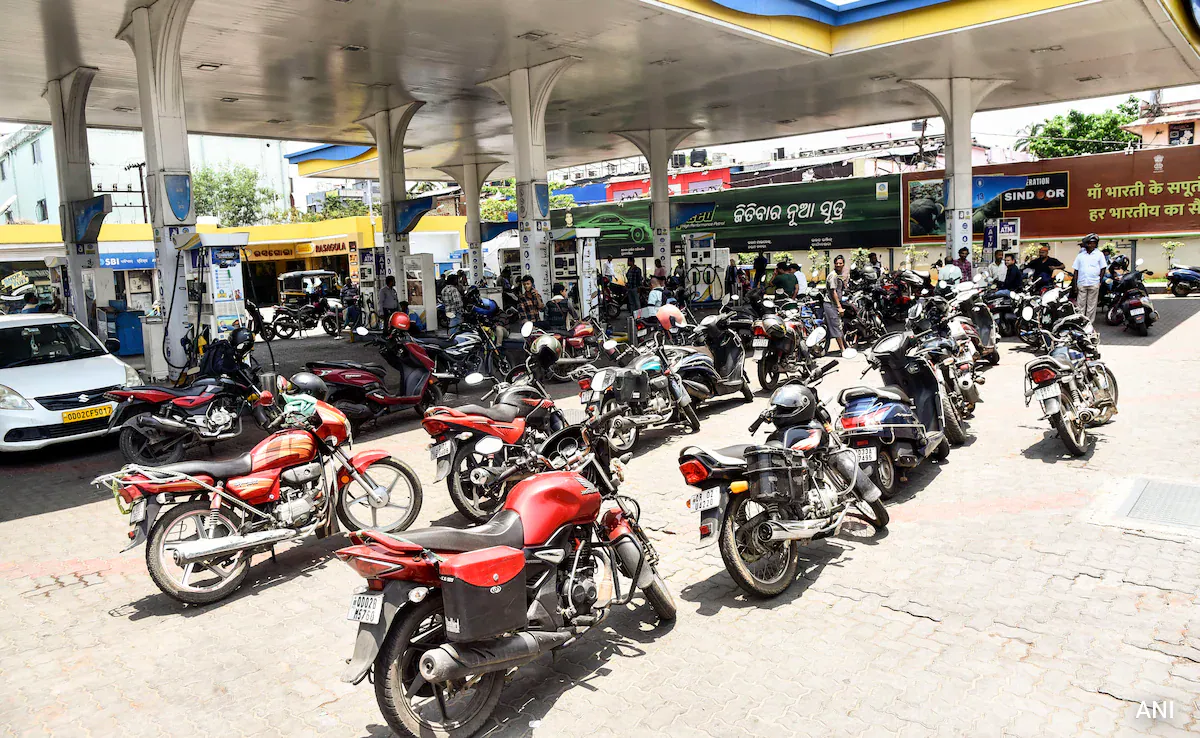
Repeated fuel price increases are creating fresh challenges for transporters and kirana store owners across India. Rising petrol and diesel costs are increasing delivery expenses, shrinking margins, and forcing small businesses to rethink pricing, inventory movement, and daily operations in both urban and semi-urban markets.
Back-to-back fuel price increases have become a major concern for transporters and kirana stores that depend heavily on daily logistics and road transportation. As diesel and petrol prices continue to rise, the cost of moving goods from wholesale markets to retail stores is increasing steadily. Small businesses that already operate on narrow margins are finding it difficult to absorb these repeated expenses without affecting customers.
The issue is particularly visible in Tier-2 and Tier-3 cities, where local supply chains depend on small trucks, mini cargo vehicles, and two-wheelers for product movement. Even minor fuel price hikes can have a noticeable impact on monthly operating costs for local businesses.
Diesel Price Impact on Transporters and Supply Chains
Transporters are among the first groups affected whenever diesel prices increase. Diesel remains the primary fuel for trucks, mini cargo vehicles, and commercial transportation used across India’s retail and wholesale sectors.
Many transport operators have reported rising operational expenses due to consecutive fuel hikes. Apart from diesel, vehicle maintenance costs, toll charges, and spare part expenses have also increased over the past year. This combination is putting pressure on logistics businesses, especially smaller fleet owners operating in regional markets.
Freight charges have already started increasing in some states. Transporters say that they have little choice because fuel accounts for a large share of their total operating expenses. When diesel becomes expensive, transportation costs are eventually passed on to wholesalers, retailers, and consumers.
For small transport businesses with only a few vehicles, continuous fuel hikes can directly affect cash flow and profitability.
Kirana Stores Struggle With Higher Delivery Costs
Kirana stores are also facing pressure as supply costs continue to rise. Most neighborhood grocery stores rely on daily or weekly deliveries from wholesalers and distributors. When transportation charges increase, the cost of stocking products also rises.
Store owners in smaller cities say distributors are either increasing delivery charges or reducing free delivery services. This is forcing many kirana businesses to spend more on transportation or purchase smaller quantities of inventory more frequently.
The situation becomes difficult because kirana stores cannot easily increase product prices overnight. Customers in local markets are highly price-sensitive and often compare prices between nearby shops.
As a result, many small retailers are absorbing part of the cost increase themselves, which reduces their already limited profit margins.
Rising Fuel Costs Affect Consumer Prices
Back-to-back fuel price increases usually create a ripple effect across the economy. When transportation costs rise, prices of essential goods such as groceries, milk, vegetables, packaged foods, and household products can also increase gradually.
Transporters and retailers say the biggest challenge is managing customer expectations during periods of inflation. Consumers may notice higher product prices but often do not realize how much fuel costs influence supply chains.
In smaller towns, local retailers worry that rising household expenses could reduce overall consumer spending. Families spending more on petrol and diesel may cut back on non-essential purchases, affecting demand for several retail categories.
This creates a difficult environment for small businesses trying to maintain sales while handling higher operating costs.
Tier-2 and Tier-3 Markets Feel the Pressure Faster
The impact of fuel price hikes is often stronger in Tier-2 and Tier-3 markets because transportation infrastructure and supply chains are more localized. Many businesses in smaller cities depend on road transport for nearly every stage of product movement.
Unlike large retail chains, independent kirana stores and small transport operators usually do not have large financial reserves. They also have limited ability to negotiate lower logistics costs with suppliers or distributors.
Businesses in sectors such as groceries, agriculture supplies, dairy distribution, and FMCG products are particularly vulnerable because they involve frequent transportation and fast inventory turnover.
In some areas, transporters are already reducing the number of delivery trips to control diesel consumption. Retailers are also trying to optimize inventory management to avoid repeated transportation expenses.
Businesses Explore Cost-Cutting Alternatives
The repeated increase in fuel prices is encouraging businesses to look for practical alternatives. Some kirana stores are partnering with nearby retailers for shared deliveries to reduce logistics expenses.
Transport businesses are using route optimization apps and GPS tracking systems to lower unnecessary fuel consumption. Local delivery operators are also exploring electric two-wheelers for short-distance transportation.
However, electric commercial transport adoption remains slow in many smaller cities due to charging infrastructure limitations and higher upfront vehicle costs.
Experts believe that if fuel prices remain elevated for a longer period, more small businesses may shift toward digital inventory systems, local sourcing strategies, and fuel-efficient delivery models.
Fuel Prices Remain a Key Business Concern
Fuel prices influence almost every part of India’s retail and transportation economy. For transporters and kirana stores, repeated hikes create immediate operational pressure because fuel is a daily necessity rather than an optional expense.
While larger companies may have the ability to absorb temporary increases, smaller businesses in regional markets often feel the impact much faster. The coming months will be important for transport operators and retailers as they try to balance rising expenses with customer affordability.
Key Takeaways
- Repeated fuel price hikes are increasing transportation and delivery costs across India
- Kirana stores are facing reduced profit margins due to higher inventory and logistics expenses
- Transporters are raising freight charges to manage rising diesel costs
- Tier-2 and Tier-3 businesses are more vulnerable because of limited financial flexibility
FAQs
Why are transporters worried about rising diesel prices?
Diesel is the primary fuel used in commercial transportation. Higher diesel prices directly increase operating costs for trucks and cargo vehicles.
How do fuel price hikes affect kirana stores?
Fuel price hikes increase transportation and delivery expenses, making it costlier for kirana stores to stock products from distributors and wholesalers.
Will grocery prices increase because of higher fuel costs?
Transportation expenses often influence product pricing. If fuel prices remain high, the cost of essential goods may gradually rise in local markets.
Are small businesses adopting electric vehicles to reduce fuel expenses?
Some businesses are exploring electric delivery vehicles, especially for short-distance operations, but infrastructure and affordability remain challenges in many regions.








Leave a comment