

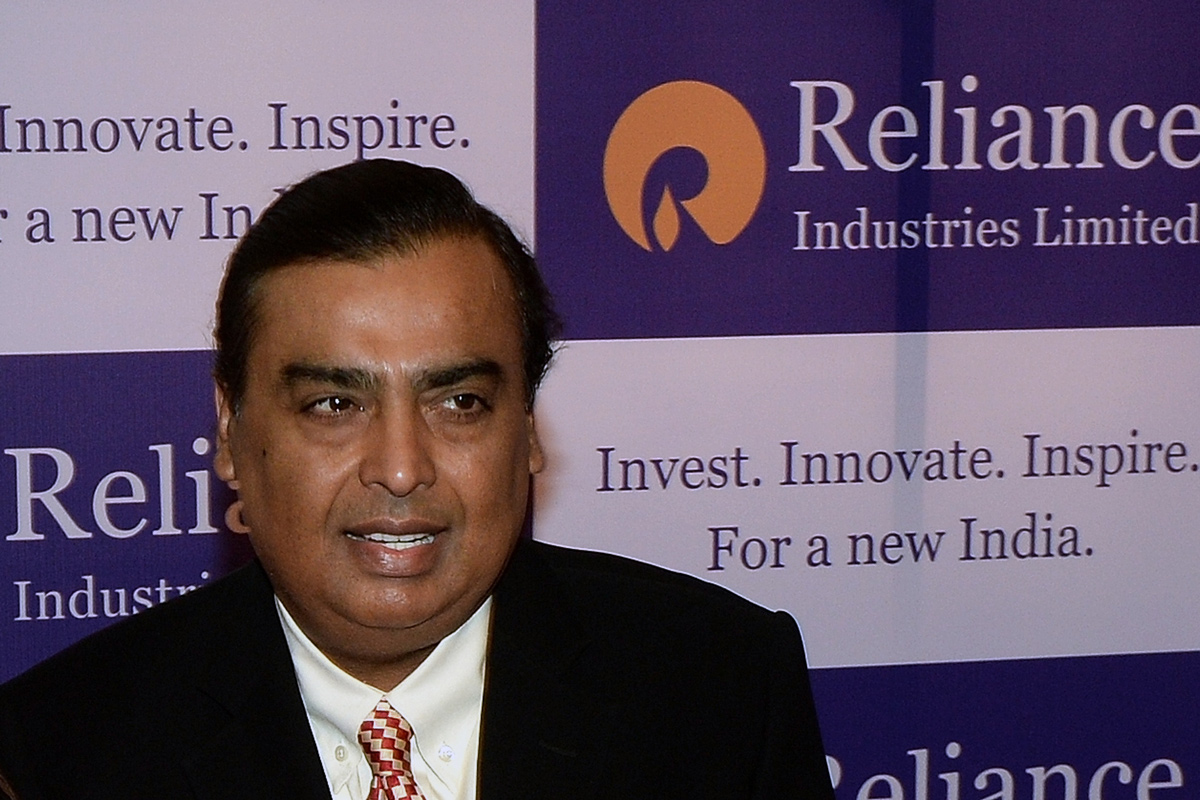
Reliance Industries is entering a new phase as Mukesh Ambani gradually hands greater responsibilities to the next generation of leadership. The succession plan is being closely watched by investors, corporate leaders, and policymakers because of Reliance’s significant influence on India’s economy, energy sector, retail market, and digital ecosystem.
Reliance’s succession plan has become one of the most discussed corporate developments in India. As Chairman and Managing Director Mukesh Ambani prepares the conglomerate for long-term continuity, the transition represents more than a leadership change. It offers insights into how one of India’s largest business groups is positioning itself for future growth while maintaining stability across diverse business segments.
Why Reliance’s Succession Plan Matters to Indian Business
Reliance Industries is not just another corporate entity. It is one of India’s most valuable companies, with interests spanning energy, petrochemicals, telecommunications, retail, media, digital services, renewable energy, and infrastructure.
Any leadership transition within such a large organization naturally attracts attention. Reliance employs thousands of people directly and supports extensive supply chains across the country. Its decisions often influence investment trends, technology adoption, and business strategies across industries.
Unlike many traditional family-owned businesses where succession planning remains unclear until the last moment, Reliance has adopted a more structured and gradual approach. Over the past few years, members of the Ambani family have taken increasingly visible leadership roles across key verticals, helping investors gain confidence in the company’s future direction.
The Emerging Leadership Structure at Reliance
The next phase of Reliance leadership appears to be built around specialization rather than concentration of responsibilities under a single successor.
Akash Ambani has become increasingly associated with the telecommunications and digital businesses, particularly Jio Platforms. Under his leadership involvement, Jio continues to expand its digital ecosystem, including broadband, enterprise services, cloud offerings, and emerging technology initiatives.
Isha Ambani has played a prominent role in Reliance Retail, one of India’s largest retail businesses. The company has expanded aggressively across fashion, grocery, electronics, and e-commerce segments while strengthening its omnichannel strategy.
Anant Ambani has been more closely involved with energy and sustainability initiatives, including Reliance’s growing investments in green energy, clean fuels, and renewable infrastructure.
This distribution of responsibilities reflects a governance model that aligns leadership expertise with specific business sectors.
Corporate Governance and Investor Confidence
One reason the succession plan has received positive attention is its focus on continuity. Investors generally prefer predictable leadership transitions, especially in large listed companies where market confidence can be affected by uncertainty.
Reliance has spent years strengthening its governance structure through professional management teams, independent directors, and clearly defined business units. The gradual transfer of operational responsibilities reduces the risk often associated with sudden leadership changes.
Global investors increasingly evaluate companies based on succession preparedness and long-term governance frameworks. By publicly involving the next generation in strategic decision-making, Reliance has signaled that leadership continuity is being managed carefully.
The company’s ability to attract international investment partnerships in recent years has also reinforced confidence in its management structure and growth strategy.
What the Transition Means for Key Growth Businesses
The succession process comes at a time when Reliance is pursuing major growth opportunities across multiple sectors.
Jio remains central to India’s digital transformation efforts. The company continues to invest in connectivity, artificial intelligence applications, cloud computing, and digital services that support consumers and businesses.
Reliance Retail is expanding into both physical and online commerce, targeting consumers across metropolitan regions as well as Tier-2 and Tier-3 cities. This expansion aligns with rising consumption and digital adoption across India.
The energy business is also evolving. While traditional oil and petrochemical operations remain important, Reliance has committed substantial investments toward renewable energy, green hydrogen, solar manufacturing, and sustainability-focused projects.
The leadership transition is therefore taking place during a period of significant strategic transformation rather than business consolidation.
Lessons for Family-Owned Businesses in India
Reliance’s succession planning offers valuable lessons for Indian family-owned enterprises. Many businesses struggle with leadership transitions due to unclear responsibilities, governance challenges, or succession disputes.
A structured transition process allows future leaders to gain operational experience before assuming larger responsibilities. It also provides employees, investors, customers, and business partners with confidence about organizational stability.
As India’s economy grows and family-run businesses expand into larger corporate entities, succession planning is becoming a critical aspect of long-term business strategy.
The Reliance model highlights the importance of balancing family leadership with professional management, institutional governance, and strategic continuity.
The Broader Impact on India’s Corporate Landscape
The next chapter of Reliance is likely to influence how other large business groups approach leadership transitions. As Indian companies become more global, investors are placing greater emphasis on governance standards, transparency, and leadership development.
Reliance’s transition demonstrates that succession planning is not simply about choosing future leaders. It is about creating systems that allow businesses to thrive across generations.
For India’s corporate sector, the process serves as an example of how large enterprises can prepare for long-term growth while maintaining investor trust and operational stability.
As the transition continues, the broader business community will closely watch how Reliance balances innovation, expansion, and governance under its evolving leadership structure.
Key Takeaways
• Reliance is implementing a gradual and structured leadership transition across major business verticals.
• Akash Ambani, Isha Ambani, and Anant Ambani are playing increasingly important roles within the group.
• The succession plan strengthens investor confidence through continuity and governance-focused leadership development.
• Reliance’s approach may influence succession planning practices across India’s corporate sector.
FAQ
What is Reliance’s succession plan?
Reliance’s succession plan involves gradually transferring leadership responsibilities across major business divisions to the next generation of the Ambani family while maintaining professional management structures.
Who is expected to lead Reliance in the future?
Akash Ambani, Isha Ambani, and Anant Ambani have taken leadership roles across telecommunications, retail, and energy businesses respectively, though Reliance has not announced a single overall successor.
Why is the succession plan important for investors?
Investors value leadership continuity and governance stability. A clear succession framework reduces uncertainty and supports long-term business confidence.
How does this impact Indian business?
The transition provides a case study for family-owned businesses on governance, leadership development, and succession planning in a rapidly growing economy.
(Keywords: Reliance succession plan, Mukesh Ambani succession, Reliance Industries leadership, Ambani family business, corporate governance India, Reliance future leadership, Indian business succession, Jio leadership, Reliance Retail growth, Indian corporate leadership)












Leave a comment