

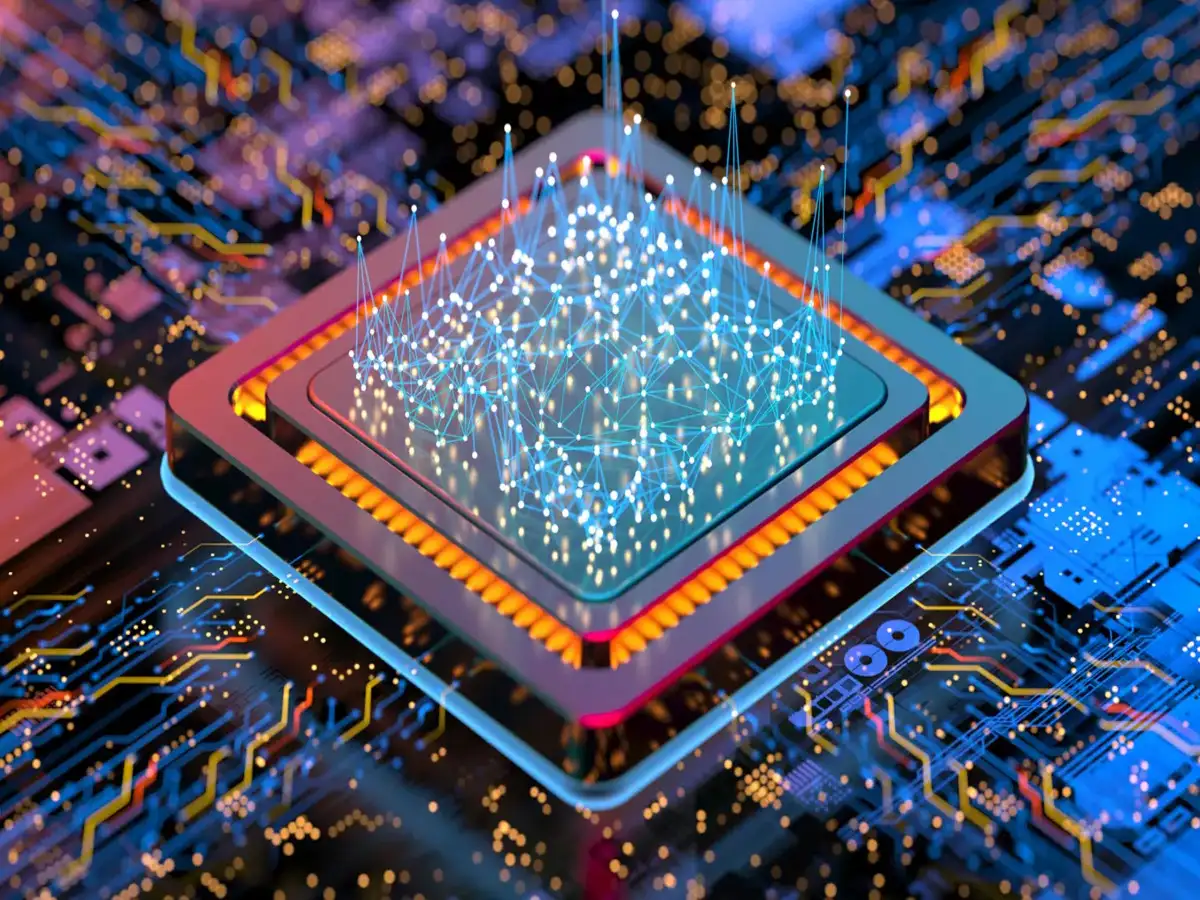
India’s semiconductor ambitions are drawing increasing attention from venture capital firms as government incentives, manufacturing investments, and a growing chip design ecosystem create new opportunities. Investors are backing startups developing semiconductor technologies, design tools, and advanced electronics to support India’s long-term technology and manufacturing goals.
India’s semiconductor ambitions are attracting renewed venture capital interest as the country accelerates efforts to build a stronger domestic chip ecosystem. Supported by government incentives, rising electronics manufacturing, and an expanding pool of engineering talent, India is positioning itself as an important player in the global semiconductor value chain. Venture capital firms are increasingly exploring investments in chip design startups, semiconductor software, manufacturing technologies, and related deep-tech businesses that can contribute to the country’s long-term technological self-reliance.
Government Policies Are Accelerating Semiconductor Development
India’s semiconductor strategy has gained momentum through a series of government initiatives aimed at strengthening domestic manufacturing and reducing dependence on imported chips. The India Semiconductor Mission, along with production-linked incentive schemes for electronics manufacturing, has encouraged investments across the semiconductor ecosystem.
Rather than focusing only on chip fabrication, government policies also support semiconductor design, packaging, testing, research, and workforce development. These initiatives aim to build a comprehensive ecosystem capable of serving industries such as consumer electronics, automobiles, telecommunications, healthcare, defense, and industrial automation.
Several states have also announced dedicated semiconductor policies to attract investments in manufacturing facilities, research centers, and supply chain infrastructure. Together, these efforts are creating new opportunities for startups and investors alike.
Venture Capital Firms See Long-Term Growth Potential
Semiconductor businesses have traditionally required substantial capital investments and long development cycles, making them less attractive for conventional startup investors. However, venture capital firms are now taking a broader view of the ecosystem, identifying opportunities beyond fabrication plants.
Investors are increasingly supporting startups involved in chip design, electronic design automation software, semiconductor intellectual property, advanced materials, testing technologies, embedded systems, and artificial intelligence hardware. These segments require comparatively lower capital than manufacturing facilities while offering significant growth potential.
Global demand for semiconductors continues to expand as industries adopt artificial intelligence, electric vehicles, cloud computing, Internet of Things devices, and advanced communication technologies. Venture capital firms view India’s engineering capabilities as a competitive advantage in addressing these growing markets.
India’s Chip Design Talent Is Becoming a Competitive Strength
India already plays an important role in global semiconductor design. Many multinational technology companies operate large research and development centers across Bengaluru, Hyderabad, Noida, Chennai, and Pune, employing thousands of semiconductor engineers.
This strong engineering base has created favorable conditions for startup formation. Experienced professionals are launching companies focused on chip architecture, processor design, embedded systems, analog electronics, automotive semiconductors, and communication technologies.
Universities, research institutions, and technology incubators are also expanding semiconductor education programs, helping build a pipeline of specialized talent. Venture capital firms recognize that this skilled workforce provides India with an advantage even before large-scale domestic fabrication reaches maturity.
Artificial Intelligence and Automotive Electronics Drive Demand
Artificial intelligence is creating new demand for specialized semiconductor solutions capable of processing complex workloads efficiently. AI accelerators, edge computing chips, and machine learning processors are becoming critical components across industries ranging from healthcare to manufacturing.
The automotive sector is another major growth driver. Modern vehicles increasingly rely on semiconductors for advanced driver assistance systems, battery management, infotainment, navigation, and electric powertrain technologies. India’s growing electric vehicle ecosystem is expected to increase domestic demand for semiconductor components over the coming years.
Industrial automation, renewable energy systems, telecommunications equipment, and consumer electronics are further expanding the market for advanced semiconductor technologies, encouraging venture capital firms to identify promising startups serving these sectors.
Challenges Continue Despite Strong Momentum
While investor interest is rising, India’s semiconductor journey remains a long-term effort. Building fabrication facilities requires substantial financial investment, sophisticated infrastructure, reliable utilities, advanced manufacturing expertise, and stable supply chains.
Global semiconductor manufacturing remains concentrated in a few regions with decades of technological experience. Competing with established manufacturing hubs will require sustained policy support, international partnerships, workforce development, and continued investment in research and development.
Startups also face challenges related to product validation, intellectual property protection, customer acquisition, and long commercialization timelines. Venture capital investors understand these risks and increasingly focus on businesses with differentiated technologies and experienced leadership teams.
Future Outlook Appears Increasingly Positive
India’s semiconductor ecosystem is expected to evolve steadily over the next decade as government initiatives, private investment, and global partnerships continue to strengthen domestic capabilities. Rather than replicating every stage of the semiconductor supply chain immediately, India is building expertise across multiple high-value segments including chip design, packaging, testing, software tools, and advanced engineering services.
For venture capital firms, this presents an opportunity to support companies developing innovative technologies with global relevance. As domestic demand for semiconductors grows alongside expansion in artificial intelligence, electric mobility, telecommunications, and electronics manufacturing, investor confidence is likely to remain strong.
If current policy support continues and infrastructure investments progress as planned, India could establish itself as an important global semiconductor innovation hub while generating high-value employment, strengthening technology exports, and improving supply chain resilience.
Key Takeaways
- Government initiatives are encouraging greater venture capital investment in India’s semiconductor ecosystem.
- Investors are increasingly funding chip design, semiconductor software, testing technologies, and related deep-tech startups.
- Artificial intelligence, electric vehicles, and electronics manufacturing are driving long-term semiconductor demand.
- Building a globally competitive semiconductor industry will require sustained investment, skilled talent, and continued policy support.
Frequently Asked Questions
Why are venture capital firms investing in semiconductor startups?
Investors see long-term growth opportunities in chip design, semiconductor software, testing technologies, and advanced electronics as global demand for semiconductors continues to increase.
What is the India Semiconductor Mission?
The India Semiconductor Mission is a government initiative designed to strengthen domestic semiconductor manufacturing, chip design, research, packaging, testing, and supply chain capabilities through policy support and financial incentives.
Which industries will benefit from India’s semiconductor ecosystem?
Automotive, consumer electronics, telecommunications, artificial intelligence, healthcare, industrial automation, defense, and renewable energy sectors are expected to benefit from stronger domestic semiconductor capabilities.
What challenges does India’s semiconductor industry still face?
Major challenges include high infrastructure costs, long development timelines, skilled workforce requirements, global competition, advanced manufacturing capabilities, and complex supply chain management.












Leave a comment