

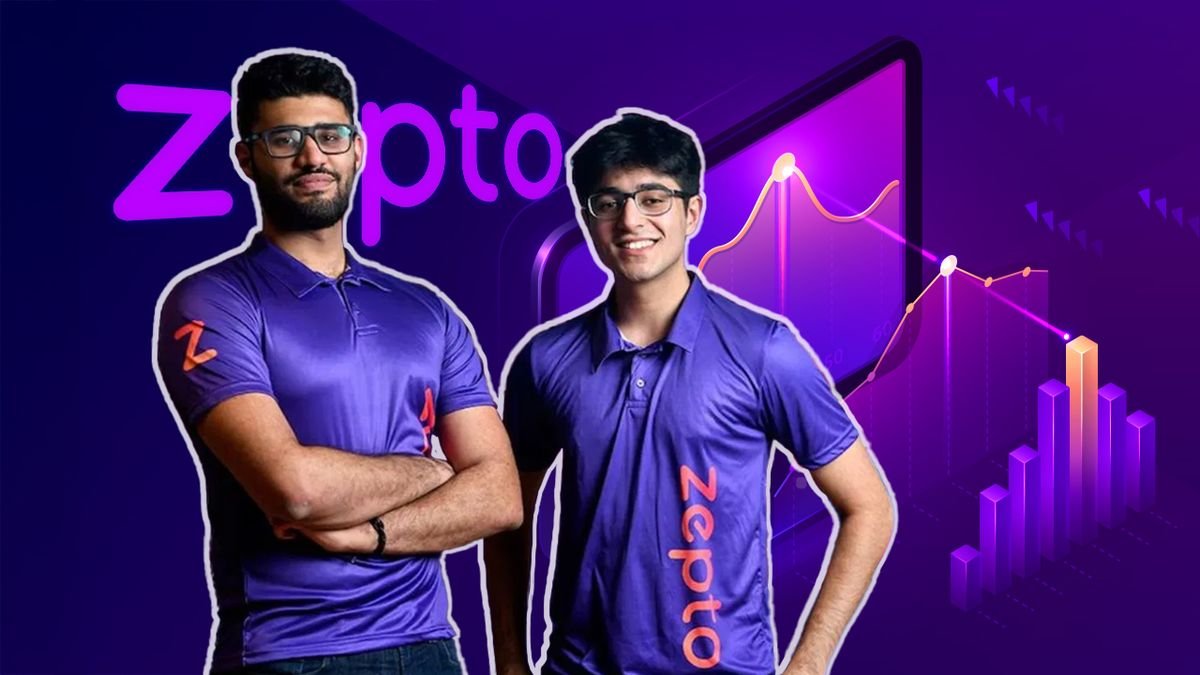
Zepto’s decision to raise fresh capital before its planned stock market debut reflects changing investor expectations in India’s startup ecosystem. The move could reshape funding strategies, competition, and profitability across the country’s fast-growing quick commerce sector.
India’s quick commerce sector is entering a crucial phase as Zepto prepares to raise fresh capital through a pre-IPO funding round while postponing its public listing. The development comes after institutional investors reportedly pushed back on the company’s valuation, prompting the Bengaluru-based startup to strengthen its balance sheet before returning to the public markets. Rather than indicating weakness alone, the move highlights how India’s startup funding environment is becoming more disciplined as investors place greater emphasis on profitability, sustainable growth, and operational efficiency.
Why Zepto Is Raising Funds Before Its IPO
A pre-IPO fundraise allows companies to secure private capital before listing on the stock exchange. In Zepto’s case, reports suggest the company is looking to raise around ₹1,000 crore after delaying its IPO by two to three quarters. The objective is to improve financial flexibility, continue expansion plans, and demonstrate stronger business fundamentals before approaching public investors.
Investor sentiment toward high-growth startups has evolved significantly over the past two years. While rapid revenue growth remains important, institutional investors increasingly want evidence of improving margins, disciplined spending, and a realistic path to profitability. This has encouraged several technology companies to reconsider the timing and pricing of their public offerings.
For Zepto, additional private capital provides breathing room to continue investing in infrastructure without relying immediately on public markets.
What This Means for India’s Quick Commerce Industry
The quick commerce industry has transformed grocery and daily essentials delivery by promising deliveries within minutes. Companies including Zepto, Blinkit, Swiggy Instamart, Amazon Now, and Flipkart Minutes have intensified competition by expanding dark store networks and improving delivery speeds.
However, rapid expansion requires significant investment in warehouses, logistics, technology, and customer acquisition. As competition increases, investors are focusing less on market share alone and more on whether businesses can eventually generate sustainable profits.
Zepto’s latest fundraising effort reflects this broader industry shift. Instead of rewarding aggressive expansion at any cost, investors now appear to favour balanced growth supported by healthier unit economics and efficient operations.
Valuation Expectations Are Becoming More Realistic
One of the biggest lessons from the current fundraising environment is that startup valuations are no longer determined solely by growth projections. Reports indicate that institutional investors sought lower valuation levels than earlier expectations, leading Zepto to reassess its IPO strategy.
This reflects a wider trend across global technology markets. Higher interest rates, cautious investment sentiment, and closer scrutiny of startup financials have encouraged investors to negotiate more conservative valuations.
For founders, this means raising capital may involve accepting lower valuations in exchange for long-term credibility. For investors, it reduces the risk of paying excessive premiums before companies achieve consistent profitability.
Impact on Competitors and the Startup Ecosystem
Zepto’s decision is likely to influence both competitors and other late-stage startups planning public listings.
Companies preparing for IPOs may now spend additional time improving financial performance before approaching investors. Businesses with strong cash reserves and established revenue models could gain an advantage as public market investors become increasingly selective.
Within quick commerce, competition is unlikely to slow. Instead, companies may focus more on increasing average order values, expanding private-label products, improving warehouse efficiency, and reducing delivery costs rather than relying heavily on discounts.
Industry observers also expect greater emphasis on technology-driven inventory management and AI-based demand forecasting to improve operational efficiency.
Why Tier-2 and Tier-3 Markets Matter
One of the biggest growth opportunities for quick commerce lies beyond India’s largest metropolitan cities.
Consumers in Tier-2 and Tier-3 locations are rapidly adopting digital payments, online grocery shopping, and instant delivery services. Rising smartphone penetration, improved logistics infrastructure, and expanding internet access are creating favourable conditions for quick commerce companies to enter new markets.
However, expansion into smaller cities requires careful investment because customer density, purchasing behaviour, and delivery economics differ from metro markets. Companies must balance growth ambitions with operational efficiency to ensure long-term sustainability.
For businesses, retailers, and logistics providers in these regions, continued investment by major quick commerce players could create new employment opportunities and strengthen local supply chains over the coming years.
What Investors Will Watch Next
The success of Zepto’s pre-IPO fundraising round will depend on investor confidence in the company’s long-term strategy and financial performance.
Market participants will closely monitor improvements in profitability, revenue growth, customer retention, and operational efficiency before the company revisits its IPO plans. The outcome may also influence fundraising conditions for other Indian startups considering public listings.
While India’s quick commerce market continues to expand rapidly, the next phase of growth is expected to be defined less by speed alone and more by financial discipline, sustainable expansion, and stronger governance.
Takeaways
- Zepto has postponed its IPO while pursuing a reported pre-IPO funding round to strengthen its financial position.
- Investors are placing greater emphasis on profitability, unit economics, and sustainable growth.
- The quick commerce industry remains highly competitive despite tighter funding conditions.
- The fundraising outcome could influence valuation expectations for other Indian startups planning IPOs.
FAQ
Q1. What is a pre-IPO funding round?
A pre-IPO funding round is capital raised from private investors before a company lists its shares on the stock exchange.
Q2. Why did Zepto delay its IPO?
Reports indicate the company postponed its IPO after investors expressed concerns over valuation and preferred stronger financial fundamentals before investing.
Q3. Does this affect India’s quick commerce industry?
Yes. The move highlights changing investor priorities and could encourage other startups to strengthen profitability before pursuing public listings.
Q4. Is quick commerce still growing in India?
Yes. Consumer demand remains strong, but investors increasingly expect companies to balance expansion with financial sustainability.












Leave a comment