

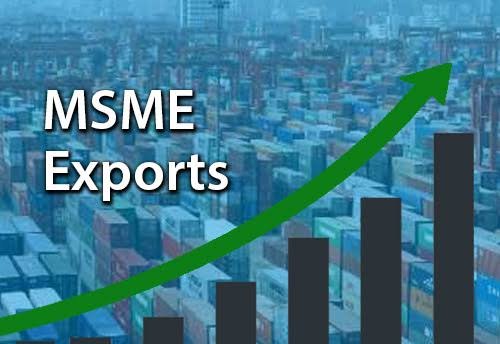
India’s MSMEs are adapting to slowing global export demand by diversifying markets, embracing digital trade, improving product quality, and focusing on domestic growth. These strategies are helping small businesses remain competitive despite weak international demand and evolving global trade conditions.
India’s MSMEs responding to slowing global export demand has become one of the most important business developments in 2026. As global economic growth remains uneven and demand weakens across several major export markets, India’s micro, small, and medium enterprises are adjusting their business strategies instead of relying solely on overseas orders. From exploring new export destinations to strengthening domestic sales and investing in technology, MSMEs are reshaping their approach to sustain growth in an increasingly uncertain global environment.
The shift highlights the resilience of India’s MSME sector, which contributes nearly 30 percent to the country’s GDP and accounts for around 45 percent of total exports. While export-oriented businesses continue to face challenges, many enterprises are using this period to become more diversified and future-ready.
Global Slowdown Is Creating New Challenges for Indian Exporters
Slowing economic growth in regions such as Europe and parts of North America has reduced demand for several categories of Indian exports, including textiles, engineering goods, furniture, handicrafts, and consumer products. Higher interest rates in developed economies, geopolitical tensions, supply chain disruptions, and cautious consumer spending have all contributed to softer global demand.
For MSMEs that depend heavily on exports, declining international orders have affected production schedules, inventory planning, and cash flow. Businesses with limited financial reserves often find it difficult to absorb prolonged periods of weak demand.
However, industry experts note that the slowdown has not affected every sector equally. Pharmaceuticals, electronics, specialty chemicals, and certain engineering products continue to witness relatively stable international demand, offering opportunities for businesses operating in these industries.
MSMEs Are Diversifying Export Markets
One of the biggest responses from Indian MSMEs has been market diversification. Instead of depending primarily on traditional buyers in the United States and Europe, exporters are expanding into regions such as the Middle East, Africa, Southeast Asia, and Latin America.
Government initiatives promoting exports through new trade agreements and export promotion councils have encouraged businesses to explore emerging markets with growing consumer demand. Many companies are participating in international trade fairs, virtual buyer-seller meetings, and export promotion programs to establish new business relationships.
Diversifying export destinations reduces dependence on a single market and provides businesses with greater stability during periods of economic uncertainty.
Digital Commerce Is Helping Smaller Businesses Reach Global Buyers
Digital platforms have become an important growth driver for MSMEs. Many exporters are using B2B marketplaces, e-commerce platforms, and digital marketing to connect directly with overseas customers without depending entirely on traditional distributors.
Technology is also simplifying export documentation, logistics management, and payment processing. Businesses are investing in digital catalogues, multilingual websites, online customer support, and AI-powered marketing tools to improve their international visibility.
For many enterprises located in Tier-2 and Tier-3 cities, digital trade has lowered entry barriers into international markets by reducing marketing costs and expanding access to global buyers.
Domestic Demand Is Becoming an Important Growth Engine
As export demand softens, many MSMEs are strengthening their presence within India’s rapidly expanding domestic market. Rising urbanisation, increasing digital adoption, government infrastructure spending, and growing consumer purchasing power continue to create new business opportunities.
Manufacturers that previously focused mainly on exports are introducing products tailored for Indian consumers. Businesses are also collaborating with organised retail chains, online marketplaces, and government procurement platforms to increase domestic sales.
This balanced approach allows companies to reduce dependence on overseas markets while maintaining steady business operations.
Improving Product Quality and Operational Efficiency
Rather than competing only on price, many MSMEs are investing in better product quality, automation, and manufacturing efficiency. Modern production equipment, improved quality certifications, sustainable manufacturing practices, and skilled workforce training are helping businesses strengthen their competitiveness.
Companies are also focusing on reducing operational costs through energy-efficient technologies, improved inventory management, and supply chain optimisation.
These improvements not only support export competitiveness but also increase customer confidence in both domestic and international markets.
Government Support Continues to Play an Important Role
Several government initiatives continue to support MSMEs during challenging market conditions. Credit guarantee schemes, export incentives, digitalisation programs, technology upgradation initiatives, and easier access to finance are helping businesses improve resilience.
The government’s continued focus on manufacturing through initiatives such as Make in India, Production Linked Incentive (PLI) schemes in selected sectors, and logistics infrastructure development is expected to strengthen India’s long-term export competitiveness.
Industry bodies have also called for greater market access, lower logistics costs, simplified export compliance, and expanded trade agreements to help MSMEs compete more effectively in global markets.
Outlook Remains Cautiously Positive
Although global export demand remains under pressure, India’s MSME sector is demonstrating remarkable adaptability. Businesses are using the current slowdown to diversify revenue streams, adopt digital technologies, improve product quality, and strengthen operational efficiency.
As global economic conditions gradually stabilise and new international trade opportunities emerge, these strategic adjustments could place Indian MSMEs in a stronger competitive position. Companies that successfully balance exports with domestic growth while embracing innovation are likely to be better prepared for future market cycles.
Key Takeaways
- Indian MSMEs are reducing dependence on traditional export markets by exploring emerging global regions.
- Digital commerce and technology adoption are helping smaller businesses reach international customers more efficiently.
- Stronger domestic demand is providing an important alternative source of revenue during slower export growth.
- Investments in quality, efficiency, and diversification are improving long-term business resilience.
Frequently Asked Questions
Why is global export demand slowing for Indian MSMEs?
Global demand has weakened due to slower economic growth in several major economies, higher borrowing costs, geopolitical uncertainties, and cautious consumer spending.
Which sectors are most affected by slower exports?
Labour-intensive sectors such as textiles, furniture, handicrafts, and some engineering goods have experienced softer demand, while pharmaceuticals, electronics, and specialty chemicals have shown greater resilience.
How are MSMEs adapting to these challenges?
Businesses are entering new export markets, expanding domestic sales, adopting digital commerce, improving manufacturing efficiency, and investing in better product quality.
Can MSMEs continue growing despite weaker exports?
Yes. Companies that diversify markets, improve operational efficiency, leverage technology, and balance domestic and international business opportunities are better positioned for sustainable long-term growth.









Leave a comment