

Train the Person, Not the Exercise
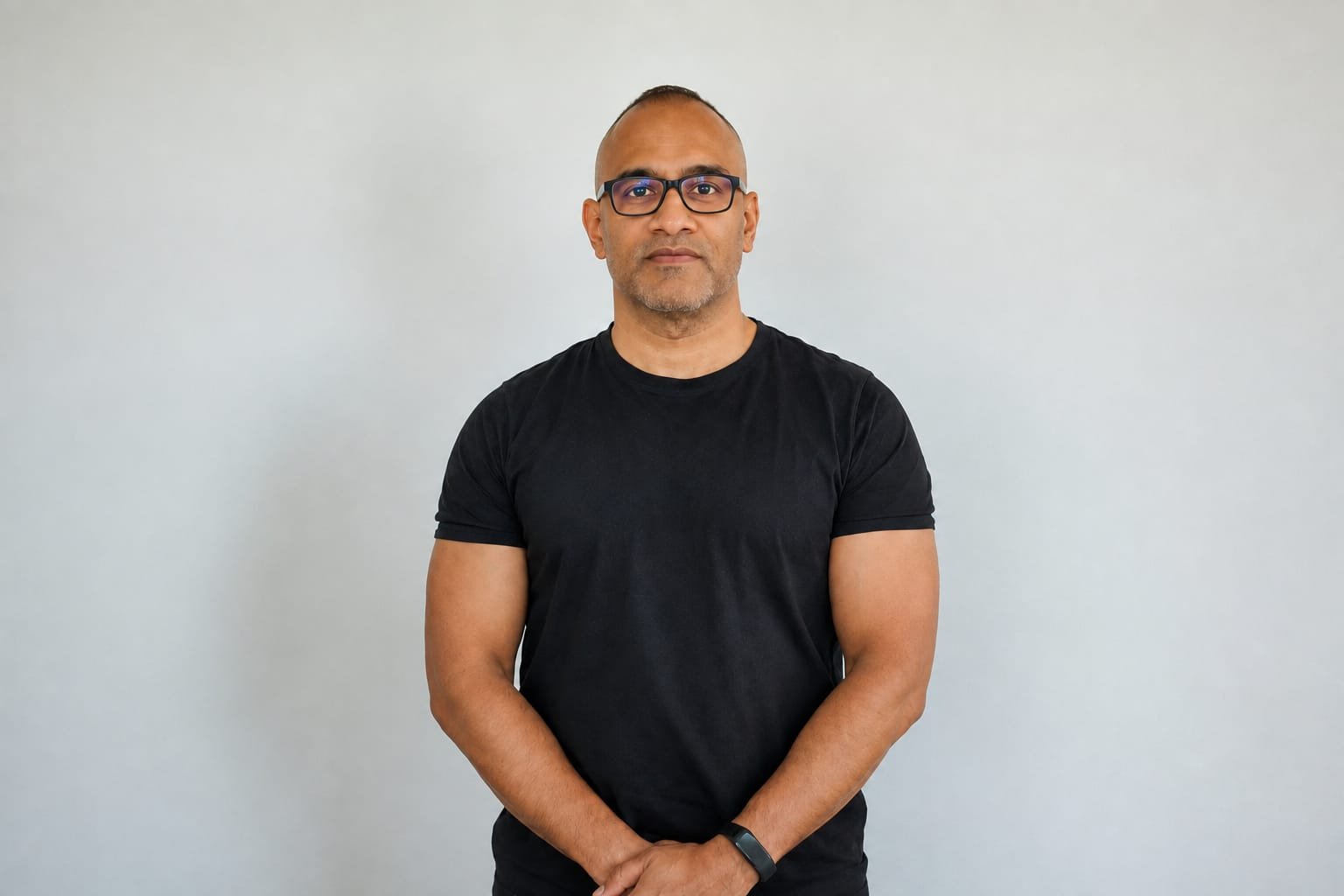
I am Amit Subhash Sardal, a Fitness Educator and a coach with a career spanning more than 15 years into Strength Training and Exercise Science. I coach clients online and offline through individualized training and nutrition strategies apart from being a Faculty for Post-graduate University courses to mentor the new generation of Fitness Trainers. I can be reached at sardalamit@gmail.com.
I want to talk about the most pertinent point to not mistake the path for the destination.
‘It’s like a finger pointing away to the moon. Don’t concentrate on the finger or you will miss all that heavenly glory.’ – Bruce Lee from Enter the Dragon
Exercise is only a tool. A squat, deadlift, push-up, run or asana has no value in isolation. Its value depends on who is doing it, why they are doing it, what they can currently tolerate, and where we want that exercise to take them. This is why good training cannot begin with exercise but must begin with the person.
No two people enter a training program from the same starting point. They differ in age, training history, injury history, health status, strength, mobility, body composition, confidence, motivation, lifestyle and goals. Even two people with similar goals may require very different journeys to reach them. The goal therefore is not simply to select “good exercises”, but to understand the self and make appropriate decisions.
Individuality in a program is based on the following factors:
Start with health screening. Before loading a person, we need to know whether there are medical conditions, previous injuries, medications, pain, cardiovascular risk factors or other issues that may influence training. Screening does not diagnose. It helps us decide whether exercise can proceed normally, whether it needs to be modified, or whether medical clearance or referral may be appropriate.
Fitness testing then gives us a clearer picture of the person’s present capacities. Depending on the individual and the goal, this may include assessments of strength, muscular endurance, cardiovascular fitness, mobility, balance or movement competency. Testing should not be done simply because a test exists. We test what is useful. The purpose is to establish a starting point, identify strengths and limitations, guide programming and later determine whether the training is producing the intended result.
Anthropometry (systematic measurement of the physical properties of the human body, dimensional descriptors of body size and shape) adds another layer of context. Height, body mass, waist circumference, body composition, limb lengths and body proportions can influence both health and exercise performance. Two people of the same height and weight may have very different body compositions. Similarly, two people performing the same squat may look different simply because one has relatively longer femurs, a shorter torso or different joint structure. Technique should follow sound principles, but it should not be forced into one identical visual model for everybody.
Assessment, however, is not a one-time event.
Sleep, nutrition, work stress, mood, soreness, pain and recovery can all influence what that person is capable of on a particular day. A planned program gives us direction, but the coach still has to observe the person standing in front of them. Sometimes the correct decision is to progress. Sometimes it is to maintain, regress, change the exercise, reduce the load or stop.
This is where coaching becomes more than prescription. We start with the person where they are, understand where they need to go, and then choose exercises and training methods that help bridge that gap. As the person changes, the training must also change.
Methods matter. Exercises matter. Programming principles matter. But none of them should become more important than the individual they are meant to serve. The best program is not the one that looks most impressive on paper or follows one system most faithfully. It is the one that fits the person, responds to the person and progressively helps that person develop greater capacity and independence. The person who arrived for training today is not necessarily the same person who trained yesterday. For yesterday’s program changed us and we need to approach our session in the Now rather than train as a rigid image of what the person thinks himself to be.
Train the person. The exercise is simply one of the tools.












Leave a comment