

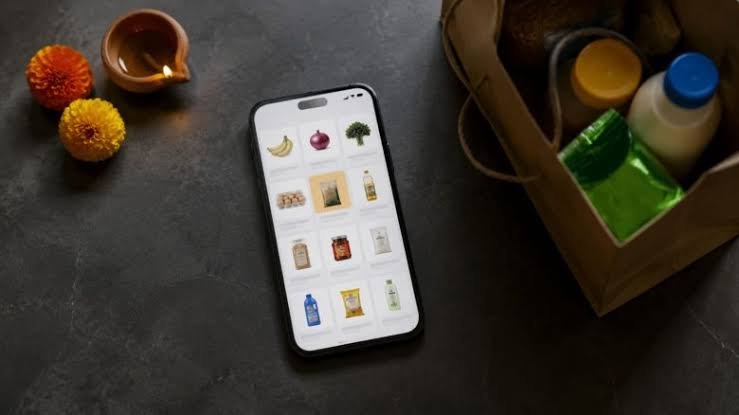
India’s festive advertising market is moving towards retail media, e-commerce platforms and quick commerce as brands seek measurable sales during the Diwali shopping season. Industry estimates project festive advertising expenditure of ₹60,000 crore to ₹62,000 crore in 2026, with commerce advertising gaining ground.
India’s Festive Advertising Market Sees a Digital Shift
India’s festive advertising market is undergoing a change in how brands reach consumers and measure campaign performance. Retail media and quick commerce are becoming important channels alongside television, outdoor advertising, newspapers and social media, particularly as shoppers increasingly discover products through digital platforms.
A September 2026 forecast by Datum Intelligence estimates that festive advertising expenditure could reach ₹60,000 crore to ₹62,000 crore this year, compared with approximately ₹53,000 crore in 2025. The projected growth is between 13% and 17%. The report estimates that festive advertising will account for around 34% to 35% of India’s total advertising expenditure in 2026.
The shift is not simply about moving money from traditional media to digital advertising. Brands are increasingly looking for channels that connect product discovery with the point of purchase. Retail media networks and quick commerce platforms offer opportunities to promote products when consumers are actively browsing, comparing prices or preparing to place orders.
For advertisers, the challenge is to balance immediate sales with long-term brand awareness. Digital platforms can provide detailed performance data, but traditional media continues to offer broad reach, especially for campaigns targeting diverse audiences across India.
Retail Media Advertising Gains Importance During Diwali
Retail media refers to advertising placed on a retailer’s digital platforms or other properties, using shopping-related data and consumer interactions to reach potential buyers. It can include sponsored product listings, search placements, display banners and promotions within shopping applications.
During the festive season, these placements become valuable because consumers are already considering purchases. A shopper searching for sweets, skincare products, home appliances or festive gifts may encounter sponsored listings while comparing available options. Brands can use these placements to influence product selection closer to the buying decision.
According to ETBrandEquity, commerce and retail media spending during the 2026 festive season is projected to reach ₹11,500 crore, with expenditure expected to grow 27% year-on-year. The estimate covers commerce advertising across multiple formats and platforms, rather than a single advertising channel.
Retail media can also provide information about impressions, clicks and sales attributed to advertising. This is useful for marketers seeking to compare campaign performance across channels.
However, attribution requires careful interpretation. A customer who purchases a product after seeing an advertisement may already have intended to buy it. Brands therefore need to distinguish genuinely incremental sales from purchases that would have happened anyway.
Quick Commerce Advertising Expected to Grow 50%
Quick commerce platforms have emerged as a prominent part of India’s festive advertising strategy. Services such as Blinkit, Zepto and Swiggy Instamart allow consumers to order groceries, snacks, personal care products and selected household essentials for rapid delivery.
For advertisers, these platforms offer access to shoppers who may be making immediate or last-minute purchase decisions. Brands can promote products through sponsored placements, in-app banners and seasonal offers, depending on each platform’s advertising options.
Datum Intelligence estimates that festive quick commerce advertising expenditure could reach approximately ₹2,200 crore in 2026, representing 50% growth from the previous year. That would make quick commerce a significant component of the broader commerce and retail media market.
The opportunity extends beyond groceries. Festive demand for sweets, snacks, personal care products, gifting items and decorations creates additional occasions for brands to reach consumers close to the point of purchase.
Yet the economics require scrutiny. Advertising rates can rise when many brands compete for limited placements during peak shopping periods. Financial Express reported that quick commerce advertising rates were estimated to have increased by 30% to 40%, adding pressure on advertisers to justify their spending.
A campaign that generates clicks or orders may not necessarily be profitable after accounting for advertising costs, discounts and product margins. Brands need to evaluate the total cost of acquiring sales rather than relying only on platform-reported conversion metrics.
Why Brands Are Changing Their Festive Marketing Budgets
The growing role of commerce advertising reflects a broader change in consumer behaviour. Shoppers may discover a product through a social media video, research it through online search, compare options on an e-commerce marketplace and finally purchase it through a retailer or quick commerce app.
This fragmented journey makes it harder for advertisers to attribute a sale to a single channel. A television advertisement may create awareness, while a sponsored product listing helps convert that interest into a purchase.
A recent report from Financial Express, citing the Datum Intelligence festive advertising forecast, describes how brands are allocating more spending to commerce media while continuing to use broader channels for reach. It also highlights the challenge of measuring the actual contribution of each advertising touchpoint.
For consumer goods companies, retail media can support product launches, cross-selling and seasonal promotions. A snack brand, for example, may use video advertising to build interest in a festive product and sponsored placements to improve its visibility when shoppers search for related items.
Direct-to-consumer brands can also use commerce platforms to test demand and reach customers who may not visit their own websites. However, dependence on third-party platforms can limit control over customer relationships and expose brands to changes in advertising prices or platform policies.
The strongest approach is not necessarily to shift every rupee into digital commerce. It is to connect awareness, consideration and purchase activity through a coordinated campaign, while measuring which channels contribute to additional sales.
Tier-2 and Tier-3 Cities Become Important Advertising Markets
India’s festive advertising shift also matters for smaller cities, where smartphone usage, digital payments and online shopping have created more ways for brands to reach consumers. Retail media and quick commerce give advertisers opportunities to connect with audiences beyond the largest metropolitan markets, although platform availability and delivery coverage vary by location.
Consumers in cities such as Nagpur, Indore, Jaipur, Lucknow and Coimbatore may encounter festive promotions through e-commerce applications, social media, local retail outlets and regional-language content. The combination of digital and offline channels allows brands to adapt campaigns to local shopping preferences.
Smaller businesses can also use sponsored product placements and local digital campaigns to compete for attention. However, participation depends on platform access, advertising budgets, inventory availability and the economics of serving each market.
Research published by WPP Media and Meta in January 2026 highlighted the growing role of quick commerce in festive shopping and noted adoption in smaller cities. The report points towards an evolving consumer journey in which shopping can be triggered by immediate needs and digital discovery rather than only by planned purchases.
For advertisers targeting Tier-2 and Tier-3 audiences, localisation remains important. Language, price sensitivity, regional festivals and product availability can influence whether a campaign generates meaningful engagement. A campaign designed for a metropolitan audience may not deliver the same results in a smaller market.
Brands must also avoid treating smaller cities as a single consumer segment. Spending capacity, infrastructure and shopping habits differ significantly between regions. Local research and campaign-level performance data are therefore essential.
Challenges Facing India’s Retail Media Advertising Market
Despite its growth prospects, retail media faces several challenges. The first is measurement. Advertising platforms may report clicks, conversions and attributed sales using different methods, making direct comparisons difficult. Advertisers need consistent measurement frameworks to understand which investments generate incremental revenue.
The second challenge is rising competition. Festive campaigns create intense demand for sponsored placements, which can increase advertising costs. Smaller brands may struggle to maintain visibility against larger companies with greater budgets.
The third issue is customer data. Retail media relies on shopping behaviour and platform information to make advertising more relevant. Brands and platforms must handle consumer data responsibly and comply with applicable privacy and advertising regulations.
There is also a risk of overdependence on performance marketing. If companies focus only on short-term conversions, they may underinvest in brand awareness, customer loyalty and differentiated products. Retail media works best when it complements a wider marketing strategy rather than replacing every other channel.
For quick commerce platforms, the commercial challenge is to grow advertising revenue while maintaining a useful shopping experience. Too many sponsored listings or aggressive promotions could make product discovery harder for consumers.
What Advertisers Should Watch This Festive Season
The 2026 festive period will provide an important test of how effectively commerce advertising converts consumer interest into profitable sales. Advertisers will need to evaluate campaign results across different product categories, platforms and city tiers.
Key indicators include the cost of acquiring a customer, incremental sales, repeat purchases, average order value and profit after advertising expenditure. Brands should also examine whether promotional campaigns attract new customers or primarily discount purchases from existing buyers.
Quick commerce can be useful for products associated with immediate needs, while marketplaces and traditional media may serve different roles in product research and brand building. The appropriate mix will depend on the product, target audience and campaign objective.
Ultimately, the shift towards retail media and quick commerce reflects a larger change in advertising: brands increasingly want to connect marketing expenditure with measurable business outcomes. But measurable does not automatically mean profitable. Companies that combine accurate measurement, relevant creative work and disciplined budgeting will be better positioned to assess the value of their festive campaigns.
Key Takeaways
- India’s festive advertising expenditure is forecast to reach ₹60,000 crore to ₹62,000 crore in 2026, according to Datum Intelligence.
- Commerce and retail media spending is projected at ₹11,500 crore, with 27% growth expected during the festive season.
- Quick commerce advertising could reach ₹2,200 crore, up 50% year-on-year, intensifying competition for digital placements.
- Brands must balance short-term conversions with brand building, campaign measurement and profitability.
Frequently Asked Questions
1. How much will India spend on festive advertising in 2026?
Datum Intelligence forecasts festive advertising expenditure of ₹60,000 crore to ₹62,000 crore in 2026, compared with approximately ₹53,000 crore in 2025. These are estimates, not final audited expenditure figures.
2. What is retail media advertising?
Retail media advertising refers to promotions placed on retailer-owned platforms, including sponsored product listings, search advertisements and display placements. It helps brands reach consumers while they browse or shop.
3. Why is quick commerce advertising growing in India?
Quick commerce platforms connect brands with consumers making immediate or last-minute purchases. Their shopping-focused audiences and in-app advertising options make them attractive during periods of high demand, including Diwali.
4. How can smaller brands benefit from festive retail media?
Smaller brands can use targeted sponsored placements and product promotions to reach relevant shoppers. They should monitor advertising costs, incremental sales and profit margins to determine whether campaigns are commercially worthwhile.









Leave a comment