

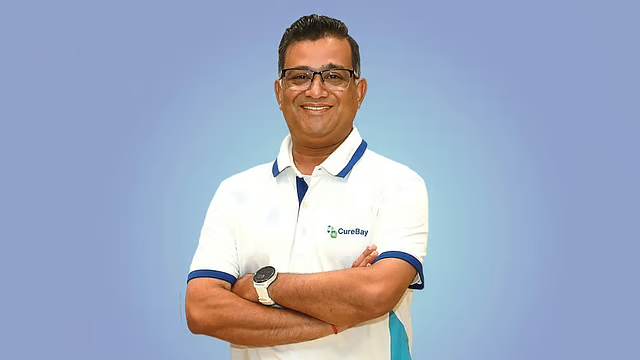
CureBay, a Bhubaneswar-based healthtech startup, has raised approximately ₹100 crore in a Pre-Series C funding round led by IvyCap Ventures. Announced on October 22, 2026, the funding will support rural healthcare expansion, technology development and artificial intelligence capabilities, with Andhra Pradesh among its planned new markets.
CureBay Funding: How the ₹100 Crore Round Is Structured
CureBay’s ₹100 crore fundraise reflects investor interest in healthcare delivery models designed for India’s rural and underserved communities. The round includes ₹69 crore in equity funding led by IvyCap Ventures, with participation from existing investors, and more than ₹30 crore in debt from Trifecta Capital, Alteria Capital and VentureSoul Partners.
The funding will help the company expand its healthcare network, strengthen its technology infrastructure and develop its artificial intelligence capabilities. CureBay has also identified Andhra Pradesh as one of the markets it plans to enter as it expands beyond its existing operations.
The combination of equity and debt is significant. Equity provides capital in exchange for ownership, while debt creates repayment obligations. For a healthcare startup expanding its physical infrastructure, both sources can help finance growth, but they also bring different financial considerations.
The investment comes as healthtech companies look beyond major cities for opportunities to improve access to consultations, diagnostic services and preventive care. For CureBay, the challenge will be to convert the additional capital into a wider network that remains accessible and operationally sustainable.
Rural Healthcare in India: Why Access Remains a Challenge
Healthcare access in rural India involves more than the availability of a doctor or a hospital. Distance, transportation costs, limited diagnostic facilities and difficulties arranging specialist consultations can make timely treatment challenging for families in smaller towns and villages.
Patients may need to travel to district headquarters or larger cities for services that are not available locally. These journeys can require time away from work, additional transport expenses and repeated visits when diagnostic tests or specialist opinions are necessary.
The challenge is particularly relevant for patients who need regular monitoring for chronic conditions. Delayed screening and interrupted follow-up can make it harder to manage health problems effectively.
Digital healthcare offers one way to address these gaps, but a mobile application alone cannot solve every access problem. Patients may need assistance booking appointments, understanding medical instructions, completing tests and arranging referrals.
CureBay’s model combines technology-enabled clinics with community-level support and connections to doctors, hospitals and diagnostic laboratories. The aim is to bring more services closer to patients while using digital systems to coordinate care.
Such an approach could be useful in districts where healthcare demand is growing but access to specialised services remains uneven. Its effectiveness, however, depends on the quality of local facilities, the availability of qualified professionals and the ability to connect patients to appropriate treatment when required.
How CureBay’s Healthcare Network Operates
Founded in 2021, CureBay has developed a healthcare delivery model that combines physical clinics, digital technology and community-based assistance. According to the company, its network includes more than 250 technology-enabled clinics across seven states, supported by over 1,800 Swasthya Mitras, more than 530 trained clinical staff and over 230 doctor partners. It also works with more than 210 partner hospitals and laboratories.
The Swasthya Mitra network is an important part of this approach. These community-level healthcare facilitators help connect patients with services and support access to the wider healthcare system. The clinics provide a local point of contact, while digital platforms help coordinate consultations, screening and referrals.
CureBay’s model also includes AI-supported screening and health-risk alerts, alongside a 24-hour command centre. These components are intended to support patient monitoring, identify potential health risks and help coordinate the next steps in care.
The company has reported serving more than 17 lakh patients and conducting over 400 health camps every month. These are company-reported figures, rather than independently audited measures of health outcomes. The number of patients reached is useful for understanding the network’s scale, but long-term impact will also depend on treatment completion, clinical quality and patient outcomes.
AI in Healthcare: Where CureBay Plans to Invest
Artificial intelligence is becoming an area of interest for healthtech companies seeking to improve screening, manage patient information and support clinical workflows. CureBay plans to use part of its new funding to strengthen its proprietary technology and AI capabilities, including its Intelligence Layer.
AI-assisted systems can help organise patient information, flag potential risks and support healthcare professionals in identifying cases that may require further assessment. In areas with limited access to specialists, these tools could help prioritise consultations and make better use of available resources.
However, screening is not the same as diagnosis. An automated alert cannot replace a qualified medical professional’s assessment, and the usefulness of AI depends on the quality of the underlying data, clinical validation and appropriate oversight.
Healthcare providers must also protect sensitive patient information and ensure that digital systems are accessible to people with different levels of digital literacy.
For CureBay, the practical test will be whether these technologies improve the speed and coordination of care without adding unnecessary complexity. The value of AI will ultimately depend on how effectively it supports doctors and patients, rather than the technology itself.
Expanding Rural Healthcare Into Andhra Pradesh
CureBay’s planned expansion into Andhra Pradesh is part of its broader effort to extend its healthcare delivery model into additional markets. Entering a new state involves more than opening clinics. The company must establish local partnerships, recruit healthcare personnel, develop referral networks and understand the needs of the communities it intends to serve.
Healthcare requirements can vary considerably between districts. Some communities may need better access to routine consultations and diagnostic testing, while others may face greater challenges reaching specialists or obtaining follow-up care.
Local partnerships can help healthtech providers navigate these differences. Hospitals, laboratories, doctors and community organisations can provide essential support, particularly when patients require treatment beyond the services available at a local clinic.
Expansion also brings financial risks. New facilities require investment in equipment, staffing, technology and day-to-day operations. If patient volumes take time to grow, the cost of maintaining the network may put pressure on the company’s finances.
CureBay will therefore need to balance the pace of expansion with service quality and operational efficiency. Building a larger network matters, but ensuring that existing and new clinics remain useful to local communities will be equally important.
What CureBay’s Fundraise Means for India’s Healthtech Sector
CureBay’s funding round highlights an investment opportunity that differs from the conventional urban-focused digital health model. Instead of relying entirely on online consultations, the company combines physical healthcare access with technology and community-level support.
For investors, such businesses offer the possibility of addressing a large unmet need. However, rural healthcare can be operationally demanding. Infrastructure, trained staff, reliable diagnostics and patient affordability all influence whether a service can expand sustainably.
The funding also raises a broader question about how healthtech companies measure success. The number of clinics opened or patients registered provides an indication of reach, but it does not by itself establish that healthcare has become more affordable or improved health outcomes.
Long-term performance will depend on the consistency of clinical services, the ability to complete referrals, patient trust and the financial sustainability of individual locations.
For rural communities, the most meaningful outcome would be easier access to appropriate treatment without unnecessary travel or delays. CureBay’s latest funding gives it additional resources to pursue that objective, but the results will need to be assessed through service quality, patient experience and measurable outcomes over time.
Key Takeaways
- CureBay raised approximately ₹100 crore in a Pre-Series C round led by IvyCap Ventures, combining ₹69 crore in equity with more than ₹30 crore in debt.
- The company plans to expand its rural healthcare network, including entering Andhra Pradesh, while strengthening its technology and AI capabilities.
- CureBay reports operating more than 250 technology-enabled clinics across seven states, supported by community healthcare facilitators and medical partners.
- Its long-term success will depend on clinical quality, patient affordability, effective referrals and the financial sustainability of its expanding network.
Frequently Asked Questions
1. How much funding has CureBay raised?
CureBay raised approximately ₹100 crore in a Pre-Series C funding round announced on October 22, 2026. The round was led by IvyCap Ventures and included participation from existing investors and debt providers.
2. Who invested in CureBay’s latest funding round?
IvyCap Ventures led the ₹69 crore equity component, alongside existing investors. Trifecta Capital, Alteria Capital and VentureSoul Partners provided more than ₹30 crore in debt funding.
3. How will CureBay use the new funding?
The company plans to expand its healthcare delivery network, enter additional markets including Andhra Pradesh, and strengthen its proprietary technology and AI capabilities for screening, health insights and clinical decision support.
4. What makes CureBay’s rural healthcare model different?
CureBay combines technology-enabled physical clinics, community-based healthcare facilitators, digital coordination and partnerships with doctors, hospitals and diagnostic laboratories. This hybrid model is designed to connect rural patients with a wider range of healthcare services.












Leave a comment