

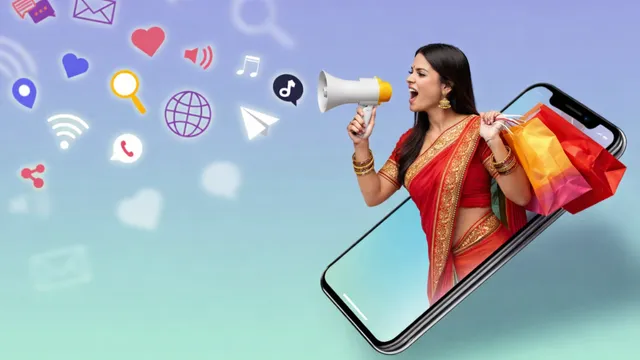
Influencer marketing in India is expanding beyond major cities as brands look for more relevant ways to reach consumers in Tier-2 and Tier-3 markets. Regional creators who understand local languages, cultural preferences and everyday purchasing decisions are becoming important partners for businesses seeking stronger audience engagement and more targeted advertising.
Regional Influencer Marketing Gains Importance in India
For years, influencer marketing campaigns in India often focused on creators based in metropolitan cities such as Mumbai, Delhi and Bengaluru. These influencers helped brands reach large audiences through fashion, beauty, lifestyle, entertainment and technology content. However, the growth of affordable smartphones, mobile internet and social media has expanded the creator economy across the country.
Today, creators from cities such as Nagpur, Indore, Jaipur, Lucknow, Surat and Coimbatore can build audiences around food, travel, education, local entertainment, fashion and everyday life. Their content often reflects experiences that are familiar to people living in the same region.
This creates an opportunity for brands that want to connect with consumers beyond metropolitan markets. A local clothing retailer, restaurant, coaching institute or consumer goods company may find a regional creator more relevant than a celebrity with a much larger national following.
The shift does not mean metro-based influencers are losing their importance. Instead, advertisers are gaining more options for reaching specific audiences through creators whose content, language and location align with campaign objectives.
Why Tier-2 and Tier-3 Cities Matter to Advertisers
India’s smaller cities and towns represent diverse consumer markets. Purchasing decisions can vary according to local income levels, occupations, cultural practices, access to retail outlets and familiarity with online shopping.
For advertisers, understanding these differences is important. A campaign that performs well among metropolitan professionals may not automatically connect with students, small-business owners, families or first-time online shoppers in other markets.
Regional influencers can help brands communicate in a more familiar context. A creator discussing affordable skincare in Hindi, reviewing restaurants in Marathi or explaining a new smartphone feature in a regional language may make a product easier for local audiences to understand.
This is particularly relevant for categories such as food, apparel, education, beauty, home products, travel and consumer technology. Businesses can work with creators who understand the concerns and interests of their intended customers.
However, the size of a city alone does not determine campaign success. Brands must identify the right audience, assess the creator’s credibility and measure whether the collaboration leads to meaningful engagement or business outcomes.
Local Languages Make Brand Communication More Relevant
Language is one of the strongest advantages regional creators can offer. India has a diverse linguistic landscape, and consumers do not always prefer receiving product information in English or Hindi.
A creator who communicates naturally in Marathi, Tamil, Telugu, Bengali, Gujarati or another regional language can explain a product using familiar expressions and cultural references. This can make an advertisement feel more accessible, particularly when the subject involves everyday purchases or services.
For example, a local electronics retailer could collaborate with a regional technology creator to explain the practical differences between two smartphones. A restaurant might work with a food creator who understands local tastes, while a coaching institute could partner with an educator who regularly discusses student concerns.
The advantage is not simply translation. Effective regional content reflects how people speak, what they value and which questions matter to them.
Brands must still ensure that creators communicate product details accurately. A relatable video cannot compensate for misleading claims, unclear pricing or exaggerated promises. Language should improve understanding, not be used to make unsupported claims appear trustworthy.
Trust and Community Connections Shape Influencer Campaigns
Regional influencers often build their audiences by consistently discussing familiar places, businesses, products and experiences. Followers may recognise the neighbourhoods featured in their videos or relate to the creator’s everyday challenges.
This familiarity can make local recommendations useful. A creator reviewing a restaurant in Nagpur, for instance, may reach people who can realistically visit the establishment. A regional fashion creator may introduce a local clothing label to shoppers who prefer discovering nearby businesses.
Such connections can help smaller brands compete for attention without depending entirely on expensive national campaigns. Businesses can test different creators, content formats and audience segments before committing larger budgets.
Still, local popularity should not automatically be treated as proof of trust or purchasing influence. Fake followers, purchased engagement and undisclosed paid promotions can undermine campaign effectiveness.
Advertisers should examine the quality of comments, audience relevance, consistency of engagement and the creator’s previous work. They should also review whether followers appear genuinely interested in the content rather than merely attracted by giveaways or viral videos.
How Small Businesses Can Use Regional Creators
Influencer marketing is not limited to large consumer brands. Small and medium-sized businesses can use regional creators to introduce products, promote services and increase awareness within a defined geographical area.
A neighbourhood restaurant might invite a food creator to review its menu. A boutique could collaborate with a fashion creator to demonstrate different outfits. A fitness studio might work with a local trainer to explain its classes, while a tourism business could partner with travel creators to showcase nearby attractions.
These campaigns can begin with modest budgets and clearly defined objectives. Instead of paying for the largest available audience, a business can choose creators whose followers are likely to become customers.
Several factors should guide the decision:
- Audience location: Are the creator’s followers concentrated in the business’s target market?
- Content quality: Does the creator communicate clearly and present products responsibly?
- Engagement quality: Do followers ask relevant questions and interact meaningfully?
- Campaign measurement: Can the business track enquiries, visits, bookings or sales?
Businesses should also agree on deliverables, timelines, payment terms and usage rights before publishing content. If a brand intends to reuse a creator’s video in paid advertisements, that permission should be clearly established.
Measuring Returns Beyond Views and Likes
Views, likes and follower counts are visible indicators, but they do not provide a complete picture of advertising performance. A campaign may attract substantial attention without generating sales, while a smaller local campaign may produce useful enquiries from potential customers.
Brands should select metrics according to their goals. Awareness campaigns can examine reach, video views and audience recall. Campaigns designed to generate interest can track profile visits, website clicks, direct messages and enquiries.
Businesses seeking sales should consider measurable outcomes such as coupon redemptions, bookings, completed purchases and customer acquisition costs. Unique promotional codes and campaign-specific links can help distinguish results from different creators.
For local businesses, offline outcomes also matter. A restaurant might ask customers whether they discovered it through a particular creator, while a retailer could record enquiries associated with a campaign.
Measurement requires realistic expectations. Customers may see a video, research the product later and make a purchase through another channel. Not every sale can be attributed perfectly to one post.
The most useful approach combines quantitative data with customer feedback and a clear understanding of the campaign’s purpose.
Challenges Facing Regional Influencer Marketing
Despite its opportunities, regional influencer marketing presents several practical challenges. Finding reliable creators can be difficult when businesses lack access to professional talent-management networks. Audience quality also varies, making it necessary to evaluate individual accounts rather than relying only on follower counts.
Content consistency is another concern. A creator may produce entertaining videos but struggle to explain technical products, regulated services or complex offers accurately. Brands must provide clear information without making the content sound scripted or misleading.
Language and cultural differences also require attention. A message that works in one state may not translate effectively into another. Companies expanding across regions should avoid assuming that one creator or campaign can represent every local audience.
Advertising disclosure is equally important. Paid collaborations and material commercial relationships must be disclosed in accordance with applicable advertising requirements. The Advertising Standards Council of India’s influencer advertising guidelines provide a framework for identifying advertising content, including relevant disclosure labels.
For financial products, healthcare services and other regulated categories, additional rules may apply. Brands and creators should check the requirements relevant to the product before publishing promotional claims.
The Future of Regional Creator Advertising in India
Regional influencer marketing is likely to remain an important option for brands seeking more targeted communication across India’s diverse consumer markets. Short-form video, regional-language content and creator-led product demonstrations give businesses ways to explain products in formats that audiences already use.
The next stage of growth will depend on how professionally brands manage these partnerships. Better creator discovery, transparent contracts, audience verification and consistent campaign measurement can help businesses make more informed decisions.
Regional creators may also develop beyond individual sponsored posts. Some could build longer-term partnerships, create original branded series or help businesses understand local consumer preferences. Such arrangements can provide continuity, although their effectiveness still depends on the creator, the product and the quality of execution.
For businesses in Tier-2 and Tier-3 cities, the opportunity is practical rather than automatic. Regional creators can help brands reach relevant consumers, but they cannot replace good products, fair pricing or reliable customer service.
The strongest campaigns will combine local understanding with clear commercial objectives. As the creator economy expands, brands that treat regional influencers as informed communication partners, rather than simply as accounts with followers, will be better positioned to build meaningful connections with consumers.
Key Takeaways
- Regional influencers help brands reach audiences through local languages, cultural context and geographically relevant content.
- Tier-2 and Tier-3 businesses can use creator partnerships to promote products, services, stores and local experiences.
- Views and likes are not enough to measure success. Enquiries, bookings, sales and customer acquisition costs provide additional insight.
- Audience verification, advertising disclosures, clear contracts and accurate product claims are essential for responsible campaigns.
Frequently Asked Questions
1. What is regional influencer marketing?
Regional influencer marketing involves working with creators who have relevant audiences in particular cities, states, language communities or geographical markets. Brands use these partnerships to communicate with consumers through locally relevant content.
2. Why are regional influencers useful for small businesses?
They can help small businesses reach potential customers in specific locations without requiring a nationwide advertising campaign. Their effectiveness depends on audience relevance, content quality, campaign costs and measurable results.
3. How can brands measure the success of regional influencer campaigns?
Brands can track reach, engagement, website visits, enquiries, coupon redemptions, bookings and completed purchases. The right metrics depend on whether the campaign aims to build awareness, generate leads or increase sales.
4. What should a brand check before hiring a regional creator?
A brand should review audience location, engagement quality, content history, credibility, pricing and previous collaborations. It should also agree on deliverables, usage rights, payment terms and advertising disclosures before the campaign begins.









Leave a comment