

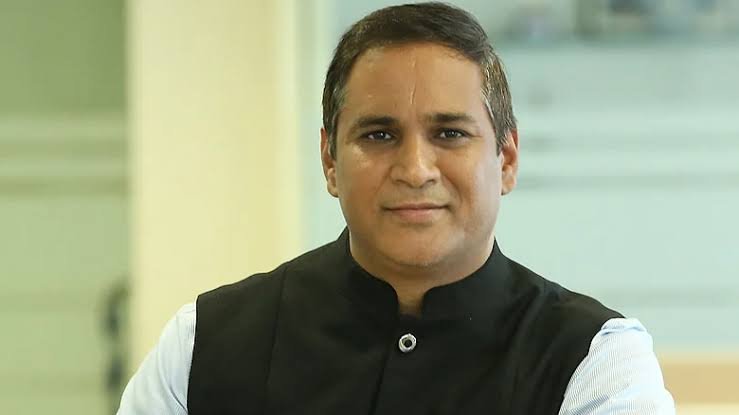
Aavishkaar Group is preparing to raise ₹2,000 crore for its proposed seventh investment fund, with a focus on deep technology, advanced manufacturing and other strategic sectors. The planned fund highlights growing interest in patient capital for Indian startups developing complex technologies and long-term business solutions.
Aavishkaar’s Seventh Fund Targets Deep-Tech Opportunities
Aavishkaar Group is preparing for its next investment cycle with a proposed ₹2,000 crore fund focused on deep technology and businesses addressing critical economic and industrial needs. The fund is expected to launch in 2027, according to recent reports, as the investment group looks to support companies developing technologies with long-term commercial potential.
The latest developments were reported on October 28, 2026, with the firm also preparing to announce at least six deep-tech investments before the end of December. These planned investments are expected to cover areas including space technology, materials science, tissue culture, agriculture and technical textiles.
The proposed fund builds on Aavishkaar’s established approach to impact investing, which combines commercial returns with the objective of addressing economic and social challenges. Its investment strategy has increasingly included businesses using technology to improve productivity, strengthen supply chains and serve underserved markets.
However, the ₹2,000 crore figure represents the fund’s target size. It should not be interpreted as money already raised or committed to startups.
Why Deep-Tech Startups Need Patient Capital
Deep technology refers to innovations built around substantial scientific research, engineering or technical development. Unlike many consumer internet businesses, deep-tech startups often need to spend years developing products, testing technologies and securing regulatory approvals before they can generate meaningful revenue.
Sectors such as advanced manufacturing, defence technology, energy systems, space technology and materials science can require expensive equipment, specialised talent and extensive product testing. These requirements make financing particularly important during the period between research and commercialisation.
Traditional venture capital investors often look for businesses capable of scaling quickly. Deep-tech companies may follow a different timeline because they must first prove that their technology works reliably and can be manufactured or deployed at a commercially viable cost.
A fund focused on these businesses can provide capital for product development, early commercial deployments and expansion into larger markets. The challenge is to balance the longer investment horizon with the need to demonstrate measurable progress.
For India, such investments could help strengthen domestic technological capabilities and reduce dependence on imported solutions in selected industries. The actual impact will depend on the quality of the technologies developed, their adoption by customers and the companies’ ability to compete internationally.
Investment Priorities Include Manufacturing, Agriculture and Energy
Aavishkaar’s deep-tech investment approach is not limited to one industry. Its stated areas of interest include advanced manufacturing, climate action, energy security, agricultural technology and data infrastructure.
Each sector presents a different opportunity for technology-led businesses.
In agriculture, startups can develop solutions for crop monitoring, farm productivity, supply-chain management and more efficient use of resources. Such technologies may be particularly relevant to smaller farmers and agricultural businesses that face challenges related to unpredictable weather, fragmented markets and limited access to specialised services.
In advanced manufacturing, startups can work on industrial automation, specialised materials, energy-efficient processes and components used in electric vehicles or other technology-intensive products. These businesses can help manufacturers improve efficiency and build more specialised domestic supply chains.
Climate technology offers another investment area, including innovations related to cleaner energy, resource efficiency and industrial emissions. Meanwhile, data infrastructure and other enabling technologies can support the development of digital services across multiple sectors.
The commercial opportunity in each category will depend on customer demand, production costs, technical reliability and the availability of supporting infrastructure.
Aavishkaar’s Investment History Provides Context
Aavishkaar has operated in India’s impact-investing ecosystem for more than two decades. Its broader investment activities have covered financial inclusion, agriculture, healthcare, education and businesses serving underserved communities.
According to reporting by Outlook Business in December 2025, the group was preparing its seventh fund with a target corpus of approximately ₹2,000 crore. The proposed strategy included early growth-stage businesses, particularly companies raising Series A and Series B capital, with deep technology and strategic industrial applications among the priorities.
Aavishkaar has also invested in businesses that apply technology to practical commercial problems. Its portfolio has included companies in agriculture, financial services, consumer products and employment services, alongside technology-focused businesses.
This background matters because deep-tech investing requires more than identifying promising inventions. Investors must assess whether a startup can build a viable business around its technology, reach customers, manage operating costs and attract further capital as it grows.
The proposed fund would give Aavishkaar another opportunity to apply its investment experience to companies working in technically demanding sectors.
Domestic Capital Could Play a Bigger Role
The availability of long-term domestic investment is an important issue for India’s startup ecosystem. Deep-tech businesses may need several rounds of financing before they reach commercial scale, making them vulnerable when investors become cautious or funding conditions tighten.
Aavishkaar founder Vineet Rai has previously highlighted the importance of domestic institutional capital, including potential participation from pension funds, insurance companies and other Indian investors.
Domestic capital can help diversify funding sources and reduce dependence on international investment cycles. However, institutional participation depends on factors such as expected returns, investment mandates, risk appetite and the ability to evaluate technically complex businesses.
For a proposed ₹2,000 crore fund, the fundraising process will be as important as the investment strategy. The final corpus, investor composition and deployment schedule will determine how much capital becomes available for startups and how quickly it can be invested.
A successful fundraise could also support follow-on investments in companies that require additional financing after their initial commercial deployments.
What the Fund Could Mean for Smaller Indian Cities
Deep-tech entrepreneurship is often associated with established technology hubs, research institutions and major industrial centres. However, startups outside India’s largest cities may also have opportunities to develop specialised technologies.
Tier-2 and Tier-3 cities have businesses operating in agriculture, manufacturing, logistics, textiles and other sectors that face practical operational challenges. Entrepreneurs who understand these industries may be well placed to develop solutions for local customers before expanding into wider markets.
For example, a startup working on agricultural technology could develop tools for regional farming needs, while a manufacturing-focused business could build specialised components for industrial customers. Such companies would still need access to research facilities, skilled workers, funding and experienced commercial partners.
Venture capital alone cannot create a complete startup ecosystem. Universities, incubators, industry associations and government programmes also play a role in helping founders develop products and find customers.
If investors support businesses beyond established startup hubs, the benefits could include skilled employment, new supplier networks and greater access to technology for regional industries. These outcomes will depend on actual investment decisions rather than the announced fund target alone.
Fundraising and Execution Remain the Key Tests
Aavishkaar’s proposed seventh fund comes as investors continue to assess how deep-tech businesses can generate sustainable commercial returns. The opportunity is significant, but the investment risks are different from those associated with conventional software or consumer internet companies.
Research delays, product failures, high development costs and slow customer adoption can affect a startup’s financial performance. Some businesses may also depend on government procurement, industrial partnerships or regulatory approvals, making their growth timelines difficult to predict.
The planned investment announcements by December will offer a closer look at the types of companies Aavishkaar intends to back. The subsequent fundraising process will indicate whether the firm can secure the capital required to support its investment strategy.
For India’s startup ecosystem, the more important measure will be whether funding helps promising technologies move from research and early development into commercially sustainable businesses.
Key Takeaways
- Aavishkaar is targeting approximately ₹2,000 crore for its proposed seventh investment fund, expected to launch in 2027.
- The investment strategy prioritises deep technology and sectors such as advanced manufacturing, agriculture, energy and space technology.
- The group plans to announce at least six deep-tech investments by December 2026, according to recent reporting.
- The proposed fund’s impact will depend on successful fundraising, investment execution and the ability of portfolio companies to build sustainable businesses.
Frequently Asked Questions
1. How much is Aavishkaar targeting for its seventh fund?
Aavishkaar is targeting approximately ₹2,000 crore for its proposed seventh investment fund. This is a fundraising target, not a confirmed amount already raised.
2. When is Aavishkaar expected to launch the fund?
Recent reports indicate that the fund is expected to launch in 2027. The final launch and fundraising milestones will depend on the firm’s plans and capital commitments.
3. Which sectors could receive investment?
Potential areas include deep technology, advanced manufacturing, space technology, agricultural technology, materials science, energy security and climate-related solutions.
4. Why is deep-tech funding important for Indian startups?
Deep-tech companies often require substantial investment in research, engineering, testing and commercialisation before they can generate significant revenue. Long-term capital can help them develop products, validate technologies and expand into commercial markets.










Leave a comment