
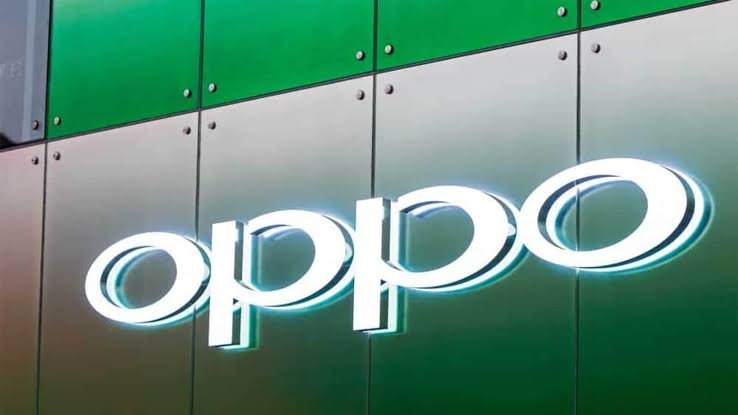
Publicis Media India’s Spark Foundry has reportedly secured OPPO India’s media mandate, estimated at ₹150 crore, taking over the account from Omnicom Media’s PHD India. The development highlights growing competition among advertising agencies for major brand partnerships and media investments.
Spark Foundry Secures OPPO India’s Media Account
Spark Foundry, part of Publicis Media India, has reportedly won OPPO India’s media planning and buying mandate worth approximately ₹150 crore. The development was reported by exchange4media on November 19, 2026, citing multiple industry sources.
The account was previously managed by PHD India, which operates under Omnicom Media. The reported transition marks an important movement in India’s advertising industry, where agency networks compete to manage large corporate media accounts.
The mandate is understood to cover media planning, buying and execution across platforms. However, the final commercial terms and complete scope of responsibilities have not been officially disclosed.
According to industry reports, OPPO India initiated a review of its media account earlier in 2026. The business was estimated to be worth between ₹100 crore and ₹150 crore during the review process.
While the appointment has been reported by multiple advertising publications, formal confirmation from OPPO India and Publicis Media India was still awaited at the time of reporting.Exchange4Media+1
PHD India Previously Managed OPPO’s Media Mandate
The reported agency transition comes after PHD India managed OPPO’s integrated media account for more than two years.
PHD India secured the mandate in March 2024 following a multi-agency pitch. The agency was responsible for developing an integrated media strategy aligned with OPPO’s marketing and business objectives in the Indian smartphone market.
Media agency mandates generally involve planning where advertisements should appear, deciding how marketing budgets should be distributed and negotiating placements across different platforms.
For a smartphone company, these responsibilities can involve television advertising, digital platforms, social media, video campaigns, influencer partnerships and other communication channels.
The movement of the account from PHD India to Spark Foundry reflects how major brands periodically reassess their agency partnerships.
Such reviews may consider several factors, including media efficiency, campaign performance, audience reach, technology capabilities, strategic planning and the ability to manage advertising investments across multiple platforms.
However, the specific reasons behind OPPO India’s decision to review its media account have not been publicly established.Exchange4Media+1
Why the ₹150 Crore Media Mandate Matters for Publicis Media
Winning a media mandate of this size can strengthen an agency network’s position in the competitive Indian advertising market.
For Publicis Media India, the reported OPPO account adds another major brand relationship to its portfolio. It also gives Spark Foundry an opportunity to demonstrate its capabilities in managing a large advertiser’s media strategy.
Media agencies increasingly operate beyond traditional advertisement placement. Their responsibilities can include audience research, digital campaign management, performance measurement, media negotiations and the evaluation of advertising returns.
Brands expect agencies to understand how consumers interact with different platforms and how marketing investments translate into measurable business outcomes.
A large account can also create opportunities for agencies to strengthen their relationships with media owners, technology providers and digital platforms.
However, managing a large media budget also brings operational responsibilities. Agencies must ensure that campaigns reach the intended audiences, budgets are allocated appropriately and performance is evaluated against clearly defined objectives.
For Spark Foundry, the OPPO mandate could become an important account as it continues developing its presence in India.Exchange4Media+1
Spark Foundry’s Expansion in India’s Advertising Industry
The OPPO development comes approximately one year after Spark Foundry’s India launch.
The agency was introduced in November 2025 as Publicis Media’s third agency brand in the country, alongside Starcom and Zenith.
Spark Foundry India is led by CEO Niti Kumar, who previously served as Chief Growth Officer at Publicis Media India.
The agency operates within Publicis Media, the media division of global communications group Publicis Groupe.
Its presence in India reflects the group’s approach of operating through specialised agency brands that serve different client requirements and media strategies.
For a relatively new agency operation in the country, securing a major smartphone account could provide an opportunity to expand its industry presence.
The Indian advertising market has become increasingly complex, with brands distributing their marketing budgets across television, digital video, search, social media, e-commerce platforms and influencer-led campaigns.
Agencies are therefore expected to combine traditional media expertise with digital capabilities and data-based planning.
Spark Foundry’s ability to manage these requirements will be an important factor in its relationship with OPPO India.BMI+1
OPPO India’s Advertising Strategy and Media Requirements
OPPO operates in India’s competitive smartphone market, where brands regularly introduce new devices and compete for consumer attention through product launches, promotional campaigns and brand partnerships.
Its advertising investments in India include television, digital platforms, celebrity endorsements and influencer partnerships.
Smartphone companies generally organise their marketing activities around product launches, seasonal shopping periods and major retail campaigns.
These campaigns require coordination across multiple media channels to reach different consumer groups.
For example, television advertising can help establish broad brand awareness, while digital campaigns allow brands to reach specific audiences based on interests, location and online behaviour.
Influencer partnerships can also help companies communicate product features through demonstrations, reviews and creator-led content.
Media planning becomes particularly important during smartphone launches because brands need to coordinate campaign timing, advertising frequency and platform selection.
For OPPO, the reported transition to Spark Foundry places the media agency in a position to manage these planning and buying responsibilities.
However, the appointment does not automatically indicate a change in OPPO’s creative agency arrangements.
BestMediaInfo reported that OPPO appointed RepIndia in 2025 to handle its integrated creative strategy, digital communication and social listening. The reported Spark Foundry mandate concerns media responsibilities rather than creative duties.Exchange4Media+1
What Agency Account Movements Mean for India’s Advertising Industry
The movement of large media accounts between agency networks is a regular feature of the advertising business.
Brands periodically review their agency relationships to evaluate whether their existing media strategies continue to meet changing business requirements.
For advertising agencies, winning a major account can strengthen revenue opportunities, improve market visibility and create opportunities to work with a larger network of media partners.
However, account wins also involve challenges. Agencies must understand the client’s business, study its target audience, evaluate existing campaigns and develop media strategies that align with commercial objectives.
A change in agency does not necessarily mean that the previous agency’s work was unsuccessful. Account movements can result from a variety of commercial and strategic considerations, and the specific reasons are not always publicly disclosed.
For smaller and independent advertising agencies, these developments also demonstrate the importance of specialised expertise.
Agencies that can offer strong regional understanding, digital media capabilities, audience research and measurable campaign performance may find opportunities to compete for larger accounts.
The increasing complexity of media planning is also creating demand for professionals skilled in data analytics, digital advertising, campaign optimisation and consumer behaviour.
Growing Competition Among Media Agency Networks
India’s media agency market includes several major international and domestic networks competing for business from large advertisers.
Publicis Media, Omnicom Media, WPP Media and Dentsu are among the established players operating in the country.
Their agencies compete through media strategy, buying capabilities, digital expertise, technology infrastructure and client servicing.
The OPPO account movement is particularly notable because it involves two large international agency networks.
Publicis Media’s Spark Foundry is reportedly taking over responsibilities previously managed by Omnicom Media’s PHD India.
Such movements can influence the competitive positioning of agency networks, particularly when the accounts involve substantial advertising budgets.
For advertisers, agency reviews provide an opportunity to reassess media strategies and examine whether their investments are delivering the expected results.
For agencies, maintaining long-term client relationships requires more than winning a pitch. Consistent execution, transparent reporting, strategic understanding and the ability to adapt to changing consumer behaviour remain important.
The reported OPPO mandate therefore highlights the continuing importance of client retention and new-business development in India’s advertising industry.
What Comes Next for Spark Foundry and OPPO India?
The immediate focus will be on the formalisation of the reported appointment and the eventual transition of media responsibilities.
The scope of the mandate, its commercial structure and the operational arrangements will become clearer through further announcements from the companies.
For Spark Foundry, the account represents an opportunity to establish a stronger presence in India’s competitive media agency market.
For OPPO India, the agency transition comes at a time when smartphone brands must manage increasingly diverse advertising channels and changing consumer preferences.
The larger industry takeaway is that media agency partnerships are becoming important strategic decisions for businesses.
As advertising budgets move across television, digital platforms, social media and emerging channels, brands will continue evaluating agencies on their ability to connect media investments with measurable business objectives.
The reported ₹150 crore OPPO mandate is another example of how competition for major advertising accounts is shaping India’s media and marketing industry.
Key Takeaways
- Publicis Media’s Spark Foundry has reportedly secured OPPO India’s media mandate valued at approximately ₹150 crore.
- The account was previously managed by Omnicom Media’s PHD India, which won it in March 2024.
- The reported mandate covers media planning, buying and execution, while creative responsibilities remain separate.
- The development highlights growing competition among major media agency networks for large advertising accounts.
Frequently Asked Questions
1. Which agency won OPPO India’s ₹150 crore media mandate?
Spark Foundry, part of Publicis Media India, has reportedly secured OPPO India’s media mandate estimated at approximately ₹150 crore. Formal confirmation was awaited at the time of reporting.
2. Which agency previously handled OPPO India’s media account?
PHD India, part of Omnicom Media, previously managed OPPO India’s media account after winning the mandate in March 2024.
3. What responsibilities will Spark Foundry handle for OPPO India?
The reported mandate covers media planning, buying and execution across advertising platforms. The final scope and commercial terms have not been officially disclosed.
4. Why are media agency mandates important for advertising companies?
Large media mandates provide agencies with business opportunities and strengthen their industry presence. They also allow agencies to demonstrate their capabilities in media strategy, audience targeting, budget management and campaign performance.







Leave a comment