

20 November 2026 | Startup & Funding News | BFSI Media
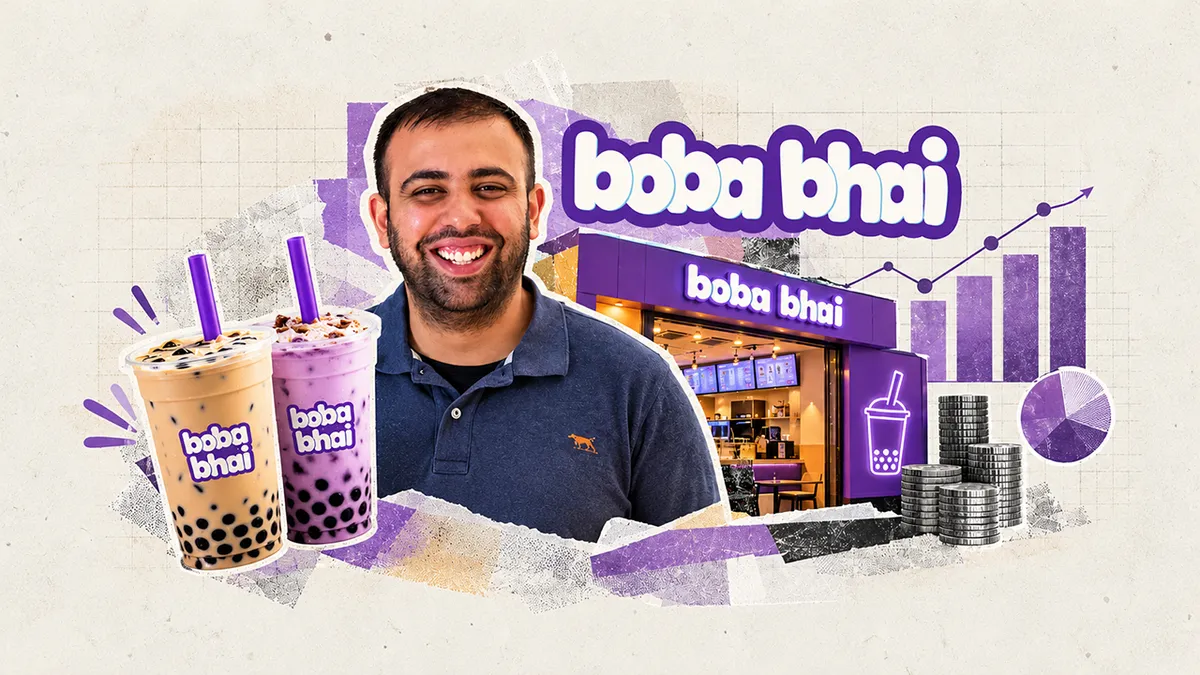
Boba Bhai has raised $18 million in Series B funding as investor interest grows in India’s bubble tea and Korean-inspired food market. The company plans to expand its store network, strengthen operations and introduce new food brands under its multi-brand business platform, Boba Bhai Ventures.
Boba Bhai Secures $18 Million in Series B Funding
Indian quick-service restaurant (QSR) startup Boba Bhai has raised $18 million, approximately ₹168 crore, in a Series B funding round led by US-based investment firm Left Lane Capital, with participation from BIG Capital and existing investor Titan Capital.
The announcement, made on November 19, 2026, marks another important funding development in India’s growing food and beverage startup ecosystem.
The investment brings Left Lane Capital on board as a new investor, while BIG Capital has increased its investment in the company. Titan Capital, which has supported the startup in earlier funding rounds, has also participated.
Founded by Dhruv Kohli in October 2023, Boba Bhai has built its business around bubble tea, Korean street food and fusion food offerings. The company is targeting consumers interested in trying international food formats through accessible retail outlets and digital ordering channels.
The fresh capital will primarily support store expansion across India and the development of additional food brands under Boba Bhai Ventures. Company News – Business Standard+2
From Bubble Tea to Korean Street Food: Boba Bhai’s Business Model
Boba Bhai’s growth reflects an emerging opportunity in India’s organised food and beverage market. Instead of concentrating on a single cuisine or product category, the company combines multiple offerings that appeal to consumers exploring international food trends.
Its menu includes bubble tea, Korean-inspired street food, fusion burgers, ice cream and other food products.
Bubble tea, which originated in Taiwan, has gained visibility among younger Indian consumers through speciality beverage outlets, shopping destinations and social media. Korean food has also attracted attention through the growing popularity of Korean entertainment, music and digital culture.
Boba Bhai has brought these interests together in a quick-service restaurant format.
The company’s business model includes physical stores, food delivery platforms and quick-commerce channels. This allows it to reach customers through multiple purchasing options rather than depending entirely on walk-in traffic.
According to company information reported by Business Standard, Boba Bhai has expanded to approximately 120 stores across India and serves more than 300,000 orders every month through its physical and digital channels.
For a company founded in October 2023, this expansion represents a relatively rapid move from a new food concept to a multi-location consumer business. Company News – Business Standard+2
Why Investors Are Interested in India’s Korean Food Market
The growing popularity of international food formats is creating opportunities for Indian restaurant startups. Korean-inspired dishes, bubble tea and fusion beverages are becoming more visible in urban food markets, particularly among younger consumers.
However, investor interest in Boba Bhai is not limited to the popularity of Korean food.
The larger opportunity lies in whether a specialised food brand can convert consumer curiosity into repeat purchases and sustainable store-level economics.
Food trends often gain popularity quickly, especially when supported by entertainment, influencers and social media platforms. But maintaining demand over several years requires more than an attractive menu.
Restaurants must manage pricing, ingredient quality, supply chains, customer experience and operational costs.
For investors, these factors become particularly important when a company moves from a few outlets to a national store network.
Left Lane Capital reportedly evaluated Boba Bhai’s growth, store-level profitability and payback periods while assessing the investment. These indicators help investors understand how efficiently a restaurant can operate and how long it may take to recover the cost of establishing a new outlet.
The investment therefore highlights interest in the business model behind emerging food brands, rather than simply the popularity of a particular cuisine. ETRetail.com+1
Left Lane Capital and BIG Capital Increase Their Exposure
The latest funding round also highlights the growing interest of institutional investors in India’s consumer food businesses.
Left Lane Capital is a US-based investment firm that has backed consumer and food businesses in international markets. Its portfolio includes brands such as Blank Street Coffee and 7th Street Burger.
According to reports, Boba Bhai is the fourth Indian company to receive backing from Left Lane Capital.
The investment firm has pointed to the startup’s capital efficiency, ability to introduce products suited to local preferences and execution capabilities as important considerations behind its investment.
BIG Capital has also increased its investment in Boba Bhai. The investor had participated in the company’s earlier funding round and is continuing its association as the business enters its next expansion phase.
Existing investor Titan Capital has also participated in the latest round.
For Boba Bhai, the participation of existing investors alongside a new international investor provides additional capital and continued institutional support.
It also suggests that investors are evaluating the company’s ability to build a scalable food business beyond its original bubble tea and Korean street food offerings. Company News – Business Standard+2
Boba Bhai Ventures: Plans to Build Multiple Food Brands
One of the most important aspects of Boba Bhai’s latest funding announcement is its plan to develop additional brands under Boba Bhai Ventures.
Instead of building every new food business independently, the company intends to use the operational infrastructure developed through its existing business.
This includes supply chain management, store operations, teams, distribution capabilities and digital platforms.
The strategy could help the company reduce the time and resources required to establish new food concepts.
For example, a new food brand may not need to create an entirely separate distribution network if it can use the existing infrastructure of Boba Bhai.
However, operating multiple food brands also brings additional responsibilities. Each brand needs its own product positioning, customer understanding, pricing strategy and quality standards.
The company will need to ensure that expansion into new categories does not affect the consistency of its existing business.
Founder Dhruv Kohli has highlighted the importance of understanding consumer preferences and maintaining product consistency while expanding into new markets.
The multi-brand approach could become an important part of Boba Bhai’s long-term business strategy, provided the company can manage the operational complexity associated with running different food concepts. Company News – Business Standard+1
Financial Performance: Revenue Growth and Rising Losses
While Boba Bhai’s store expansion and funding activity indicate growing business interest, its financial performance also deserves attention.
According to financial information reported by Entrackr, the company’s revenue from operations increased significantly in FY26.
| Financial metric | FY25 | FY26 |
|---|---|---|
| Revenue from operations | ₹28.44 crore | ₹68 crore |
| Net loss | ₹9.96 crore | ₹21.8 crore |
The figures indicate that Boba Bhai’s operating revenue increased by approximately 139% during FY26 compared with the previous financial year.
However, its net loss also increased, rising approximately 2.2 times from ₹9.96 crore to ₹21.8 crore.
This presents an important distinction between business expansion and profitability.
A restaurant startup can increase revenue by opening more outlets and attracting new customers. However, expansion also involves expenditure on rentals, employees, ingredients, marketing, logistics and store infrastructure.
As a result, rapid revenue growth does not automatically translate into positive net profits.
For investors, the next challenge will be understanding whether Boba Bhai can improve its financial performance while expanding its physical presence.
Its ability to manage outlet-level profitability, control operating expenses and generate repeat customer demand will remain important indicators of business sustainability. Entrackr
Can Korean-Inspired Food Brands Expand Beyond Metro Cities?
Another interesting aspect of Boba Bhai’s expansion is the opportunity available in India’s Tier-2 and Tier-3 markets.
For several years, international food formats were largely concentrated in major metropolitan cities. However, consumer preferences are gradually becoming more diverse across smaller cities.
The expansion of shopping malls, organised retail spaces, food delivery platforms and digital payments has created additional opportunities for food businesses outside traditional metropolitan markets.
Cities such as Jaipur, Lucknow and Kanpur are also attracting attention from emerging food brands. Boba Bhai has been reported to have a presence in these markets.
For younger consumers in smaller cities, international food products can offer new dining experiences without requiring travel to major metropolitan centres.
Social media also plays a role in introducing consumers to unfamiliar cuisines. Korean dramas, music and online food content have helped bring international dishes into conversations among Indian audiences.
However, expanding into smaller cities requires careful market research.
Pricing remains a major consideration. Consumers may be interested in trying international food products, but their willingness to purchase them regularly depends on affordability.
Local preferences also matter. Food brands often need to adjust flavours, portion sizes and menu combinations to suit different markets.
Store economics are equally important. Rental expenses, customer footfall, delivery demand and staffing costs can vary significantly between cities.
For Boba Bhai, the ability to understand these regional differences could influence how successfully it expands beyond India’s largest urban markets.
What Boba Bhai’s Funding Means for India’s QSR Startup Ecosystem
Boba Bhai’s $18 million funding round reflects a broader investment opportunity in India’s organised food and beverage industry.
Investors are increasingly examining consumer-facing businesses that can combine a differentiated product offering with repeat purchases and scalable operations.
The QSR sector offers opportunities across several categories, including beverages, bakery products, regional cuisines, international food formats and affordable dining.
However, competition in the industry is also increasing.
New restaurant brands must compete with established chains, local food businesses, cloud kitchens and independent outlets. Customer acquisition can be expensive, while maintaining consistent quality across multiple locations requires strong operational systems.
The experience of Boba Bhai highlights why investors are examining more than just the popularity of a food trend.
A successful restaurant business needs to establish a reliable supply chain, maintain product standards, understand regional demand and develop a business model that can support expansion.
For smaller food entrepreneurs, the development also demonstrates the potential of building specialised brands around changing consumer preferences.
At the same time, the company’s increasing losses underline the financial challenges associated with rapid expansion.
The next phase of Boba Bhai’s journey will depend on whether it can translate its growing store network and customer demand into stronger financial performance.
Key Takeaways
- Boba Bhai has raised $18 million, approximately ₹168 crore, in a Series B funding round led by Left Lane Capital, with participation from BIG Capital and Titan Capital.
- Founded in October 2023, the company operates approximately 120 stores and serves more than 300,000 orders every month.
- The startup plans to use the fresh capital for nationwide store expansion and new food brand launches under Boba Bhai Ventures.
- Its FY26 revenue increased to ₹68 crore, but net losses also widened to ₹21.8 crore, making profitability an important factor to monitor.
Frequently Asked Questions (FAQs)
1. How much funding has Boba Bhai raised in its latest funding round?
Boba Bhai has raised $18 million, approximately ₹168 crore, in a Series B funding round announced on November 19, 2026.
2. Who are the investors in Boba Bhai’s Series B funding round?
The round was led by US-based Left Lane Capital, with participation from BIG Capital and existing investor Titan Capital.
3. How will Boba Bhai use the newly raised funds?
The company plans to use the funding to expand its store network across India and launch and scale additional food brands under Boba Bhai Ventures.
4. Why is Boba Bhai attracting investor interest?
The company operates in the growing bubble tea and Korean-inspired food segment. Its expanding store network, monthly order volumes, multi-brand strategy and store-level business economics have attracted investor attention.








Leave a comment