

India’s startup culture is increasingly finding space in television, films and OTT entertainment. From investment-led reality shows to stories about entrepreneurs and financial markets, business is becoming a mainstream content theme, reflecting changing audience interests and the growing appeal of real-life ambition, risk and innovation.
Shark Tank India Made Business Conversations Mainstream
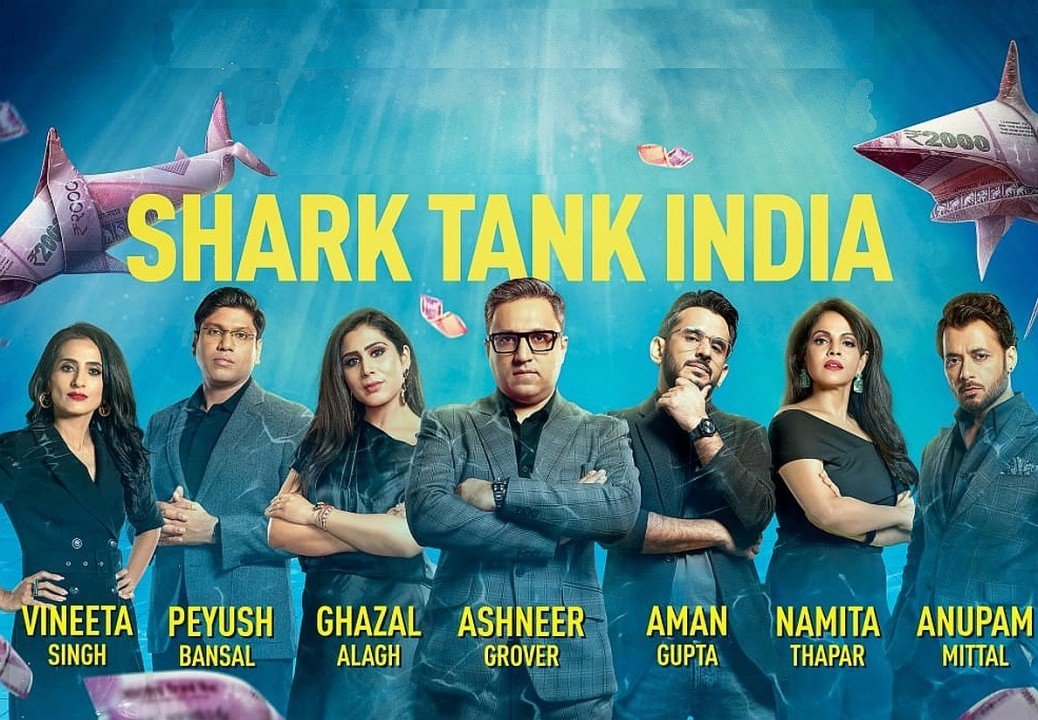
The rise of startup-focused entertainment in India can be traced to the success of Shark Tank India, which premiered in December 2021. The programme introduced audiences to founders pitching their businesses before investors and negotiating funding in exchange for equity.
What made the format different was its use of real business ideas and financial discussions as entertainment. Terms such as valuation, revenue, profit margins, equity dilution and customer acquisition gradually entered conversations beyond corporate offices and startup communities.
The programme also helped turn investors into recognisable television personalities and founders into public figures. Its fifth season, which began in January 2026, continued to attract attention across television and digital platforms. Moneycontrol+2
The impact has gone beyond the show itself. Its popularity encouraged other broadcasters and streaming platforms to explore entrepreneurship-based programming, creating a new category within Indian reality entertainment.
Business Reality Shows Are Expanding Beyond Shark Tank
The growing interest in startup culture has encouraged platforms to experiment with different business reality formats.
Programmes such as Bharat Ke Super Founders, Ideabaaz and Pitch To Get Rich have added to the category. Regional programming, including Startup Singam in Tamil, has also brought entrepreneurship into language-specific entertainment.
These programmes do not all follow the same structure. Some focus on investor pitches, while others place greater emphasis on mentorship, business development and access to funding. Their common feature is the use of real entrepreneurial journeys to create engaging content.
An analysis published by Exchange4Media in January 2026 noted that broadcasters and OTT platforms were increasingly exploring startup reality shows as a way to offer audiences real stakes, financial decisions and business stories. The genre also gives advertisers access to viewers interested in entrepreneurship, technology and new-age brands. exchange4media.com+1
For entertainment companies, this creates an opportunity to build formats around subjects that were previously associated mainly with business newspapers, financial channels and professional networking events.
Indian Films Have Long Explored Entrepreneurship and Ambition
The connection between business and Indian entertainment is not entirely new. Hindi cinema has explored ambition, wealth creation, commercial competition and entrepreneurship through several films.
Guru (2007), directed by Mani Ratnam, follows the journey of Gurukant Desai, a man who builds a business empire despite institutional resistance and personal challenges. The film explores ambition, industrial growth, business ethics and the relationship between enterprise and power.
Rocket Singh: Salesman of the Year (2009) approaches entrepreneurship from a different perspective. Its central character starts a business after facing workplace challenges and attempts to build a company around customer service, trust and professional relationships.
Another example is Band Baaja Baaraat (2010), which follows two young people establishing a wedding planning business. The film highlights the practical challenges of starting a small business, finding customers and managing professional relationships.
These stories differ from modern startup pitch shows, but they share a central theme: individuals attempting to build something of their own. They also show how business narratives can be adapted into drama, comedy and character-driven storytelling. mint
OTT Platforms Have Created Space for More Detailed Business Stories
Streaming platforms have changed how business-related stories are presented to Indian audiences. Unlike a feature film with a limited runtime, a series can explore the development of a company, financial decisions and the personalities involved over multiple episodes.
Scam 1992: The Harshad Mehta Story became a prominent example of financial-market storytelling on Indian OTT. Released in 2020, the SonyLIV series followed stockbroker Harshad Mehta’s rise and the events surrounding the securities scam of 1992.
Although it is not a conventional startup story, it brought stock markets, financial systems, regulatory questions and market speculation into mainstream entertainment. Its success demonstrated that audiences could engage with complex financial subjects when they were presented through strong characters and accessible storytelling. mint
OTT platforms also provide opportunities for stories about founders, technology companies, family businesses, corporate competition and the failures that accompany commercial ambition.
This format can help audiences understand that building a business is not always a quick journey from an idea to success. It involves negotiations, operational problems, financial pressure, competition and difficult decisions.
Why Audiences Are Connecting With Startup Culture
The growing popularity of business entertainment reflects a wider change in how entrepreneurship is perceived in India.
Startups are no longer discussed only among investors, technology professionals and business owners. They have become part of conversations involving students, working professionals, consumers and aspiring founders.
Several factors are contributing to this shift.
Entrepreneurship as a career option: More young Indians are exploring business ownership alongside conventional employment. Entertainment content featuring founders can make the process appear more familiar and understandable.
Interest in real business journeys: Audiences are drawn to stories involving ambition, risk, failure, competition and financial success. These elements naturally create dramatic situations.
Digital and social media distribution: Short clips of business pitches, investor reactions and negotiations circulate widely on platforms such as YouTube and Instagram. This allows individual moments to reach viewers who may not watch complete episodes.
Changing consumer awareness: As startups introduce new products and services, audiences become interested in the people and businesses behind familiar brands.
A January 2026 report by Hindustan Times noted that entrepreneurship had become a more mainstream aspiration, supported by growing startup activity, investor interest and changing career preferences. It also highlighted how business reality shows were attracting viewers interested in innovation and entrepreneurial journeys. Mumbai news+1
Startup Exposure Is Becoming a Marketing Opportunity
For startups featured in entertainment programmes, visibility can sometimes be as valuable as investment.
A January 2026 report by Mint examined how appearing on Shark Tank India helped participating companies improve brand awareness, customer discovery and distribution opportunities.
The report cited Smylo, a direct-to-consumer pet food startup, which reported a five-to-six-fold increase in organic followers after its appearance. The company also said its spending on Meta advertising was nearly 30% lower while achieving similar sales volumes. These figures were shared by the company’s co-founder and reflect its reported experience, rather than a guaranteed outcome for every participant. Company Business News+1
This illustrates why startup entertainment has commercial value beyond television ratings. A founder’s appearance can introduce a product to customers who may never have encountered the brand through conventional advertising.
For consumer businesses, this visibility can lead to website visits, enquiries, retail interest and social media engagement. It can also help founders build credibility when approaching distributors or potential partners.
However, attention is not the same as sustainable growth. Companies still need to manage product quality, customer service, inventory, pricing and profitability after receiving public exposure.
Why Entertainment Companies Are Interested in Business Content
The rise of startup-focused programming also makes commercial sense for television networks and streaming platforms.
Traditional reality formats often depend on celebrity participation, competition or performance. Business reality shows introduce another element: actual commercial decisions and the possibility of investment.
This gives producers several opportunities to develop content around founders, products, investor personalities and brand partnerships. It also creates natural integration opportunities for companies operating in financial services, technology, consumer goods and professional services.
Industry reporting has highlighted how Shark Tank India has evolved into a commercial property attracting sponsors and advertisers. An October 2026 report by Indian Television Dot Com discussed the programme’s role in brand partnerships and the broader economics of unscripted entertainment. Indian Television Dot Com+1
For OTT platforms, business content can also help reach digitally engaged audiences interested in careers, finance, technology and entrepreneurship.
The challenge is to keep the content credible. If every episode focuses only on dramatic arguments, large valuations and impressive funding announcements, audiences may get an unrealistic understanding of how businesses operate.
The Risk of Turning Entrepreneurship Into Glamour
There is a difference between making entrepreneurship entertaining and presenting it as an easy route to wealth.
A television pitch may last a few minutes, but building a company can take years. Founders must deal with cash-flow constraints, hiring decisions, regulatory requirements, competition and changing customer preferences.
Business reality shows can also create unrealistic expectations about funding. A televised offer is not necessarily a completed investment. It may be subject to financial verification, due diligence and legal agreements.
Investors and industry observers have also cautioned that the pressure to create dramatic television can sometimes oversimplify business decisions. The focus on a pitch or negotiation may leave out the operational work required after a deal. Mumbai news+1
Films and series face a similar responsibility. Business stories become more meaningful when they show failure, uncertainty and ethical questions alongside success.
A balanced portrayal can help audiences understand that entrepreneurship involves more than raising capital or becoming famous. It requires building products that customers value and businesses that can survive over time.
What the Trend Means for India’s Entertainment Industry
The movement from business films to startup reality shows reflects a wider shift in Indian entertainment. Business is becoming a subject that can attract viewers, generate discussion and create commercial opportunities for media companies.
For filmmakers, it opens possibilities for stories about technology founders, family-owned enterprises, manufacturing businesses, fintech companies and entrepreneurs from smaller cities. For OTT platforms, it creates room for documentary series, founder profiles and business dramas.
For audiences, it offers a more accessible understanding of how companies are created, financed and managed.
The next stage of this trend may involve more regional business stories, women entrepreneurs, small-town founders and companies working in sectors beyond consumer technology. These stories could make entrepreneurship more representative of India’s diverse business landscape.
Ultimately, startup culture is becoming entertainment content because it combines human ambition with real economic activity. The strongest stories will not simply celebrate funding announcements or successful founders. They will explain the decisions, setbacks and persistence that make a business work.
Key Takeaways
- Shark Tank India helped bring startup pitches, investor negotiations and business terminology into mainstream entertainment.
- Indian films such as Guru, Rocket Singh and Band Baaja Baaraat have explored entrepreneurship through different storytelling styles.
- OTT platforms have created opportunities for detailed business and financial stories, including Scam 1992.
- Startup entertainment can generate visibility for businesses, but it should present the challenges and risks of entrepreneurship realistically.
Frequently Asked Questions
1. Why are startup stories becoming popular in Indian entertainment?
Startup stories combine ambition, competition, financial decisions and personal challenges. These elements make them suitable for films, web series and reality television while introducing audiences to business concepts.
2. Which Indian films explore entrepreneurship?
Guru, Rocket Singh: Salesman of the Year and Band Baaja Baaraat are examples of Hindi films that explore business creation, ambition and commercial challenges.
3. How has Shark Tank India influenced startup culture?
The programme has made business pitches, company valuations, equity negotiations and investor discussions more familiar to mainstream audiences. It has also provided participating startups with opportunities for publicity and customer discovery.
4. Can startup reality shows help businesses grow?
They can provide visibility, customer awareness, investor interest and potential business connections. However, long-term growth still depends on product quality, customer demand, operational efficiency and financial performance.










Leave a comment