


Deep tech fund deployment through the new RDI scheme in 2026 is an evergreen yet time aligned policy topic, as it will influence how India develops strategic technologies over the next decade. The scheme allocates structured capital toward research heavy innovation, giving venture funds a clearer mandate to support complex, long horizon projects.
With fund managers already cleared for operation, 2026 becomes the first full year of disciplined deployment. The focus will be on technologies that enhance India’s manufacturing strength, semiconductor capacity, defence preparedness and scientific competitiveness. Venture investors are preparing to deploy early cheques into startups and research spinouts that can mature into commercially viable companies.
Why deep tech deployment matters for India’s innovation capacity
Deep tech sectors require long development cycles, specialised talent and capital that tolerates delayed returns. Historically, Indian startups in areas like materials engineering, robotics, chip design and biotechnology struggled to attract early investment because traditional VC models favoured faster growth. The RDI scheme corrects this imbalance by backing research to industry transition with dedicated funding pools. Deployment in 2026 matters because it aligns public financing with private sector risk appetite and ensures strategic technologies do not remain confined to academic labs. This expands national capacity in precision manufacturing, automation and critical scientific fields where global supply chains remain concentrated. A structured deployment timeline also gives investors confidence that long term innovation will be supported consistently rather than in disconnected phases.
Where VCs are likely to deploy first cheques under RDI allocation
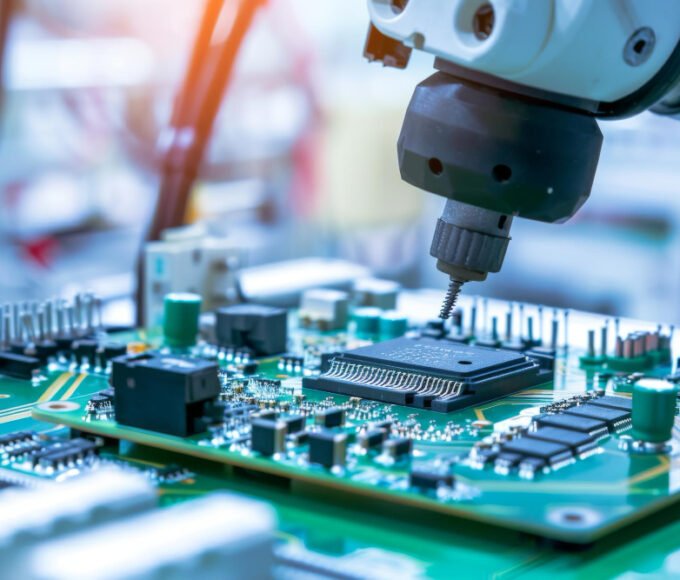
Venture funds operating under the RDI framework will deploy early cheques in segments that demonstrate both commercial potential and strategic relevance. Semiconductor design is expected to be a priority, particularly startups working on power electronics, embedded systems and advanced packaging solutions. These components play key roles in electric vehicles, industrial automation and consumer electronics. Robotics and industrial automation startups will also attract early interest, as India’s manufacturing clusters seek cost effective tools for productivity and precision. Advanced materials, including lightweight composites and thermal management technologies, represent another strong category because they directly impact aerospace, infrastructure and energy storage. VCs may also back quantum sensing, photonics and defence grade communication technologies where early research is strong but commercial pathways require structured support.
Collaboration between universities and VCs to accelerate commercialisation
One of the expected outcomes of deep tech deployment in 2026 is stronger collaboration between research institutions and venture funds. Academic labs across tier 1 and tier 2 cities generate high quality research but often lack commercialisation mechanisms. With RDI linked capital, VCs can partner with universities to support technology transfer, co funded prototyping and pilot testing. This integrated approach benefits both researchers and investors because it reduces early stage uncertainty and shortens the time from discovery to commercial readiness. Startups emerging from these collaborations will receive support in regulatory compliance, product validation and industrial scale integration. Over time, this strengthens India’s foundation for IP driven entrepreneurship and diversifies the geography of deep tech innovation.
Long term impact on strategic sectors and India’s global position
Successful deployment of RDI capital can reshape India’s position in global technology markets. By expanding domestic capabilities in chip design, automation, sensing and materials, India reduces its dependence on imported technologies that often face geopolitical risk. A stronger deep tech ecosystem also enhances export potential in high value manufacturing categories. For venture funds, this creates a pipeline of differentiated companies that can scale internationally with competitive advantages rooted in science and engineering. For the broader economy, deeper technical capacity supports job creation, boosts productivity and fuels next generation industrial growth. The 2026 deployment year is critical because it sets the pace for how quickly India can build a self sustaining network of deep tech startups with global impact.
Takeaways
RDI scheme deployment in 2026 strengthens India’s long term innovation capacity
VCs expected to target semiconductors, robotics and advanced materials
University partnerships accelerate commercialisation of research outputs
Deep tech investment reduces import reliance and enhances strategic competitiveness
FAQs
Why is 2026 important for the RDI scheme
It marks the first structured deployment cycle where fund managers and VCs begin allocating capital to deep tech projects at scale.
Which sectors will likely receive first round funding
Semiconductor design, robotics, materials engineering, photonics and defence technologies are strong early candidates.
How will researchers benefit from the scheme
They gain access to commercialisation funding, industry partnerships and structured support to convert lab research into practical products.
What is the long term economic impact
Stronger deep tech capacity improves industrial competitiveness, reduces technological dependence and enhances India’s ability to participate in global innovation markets.










Leave a comment