

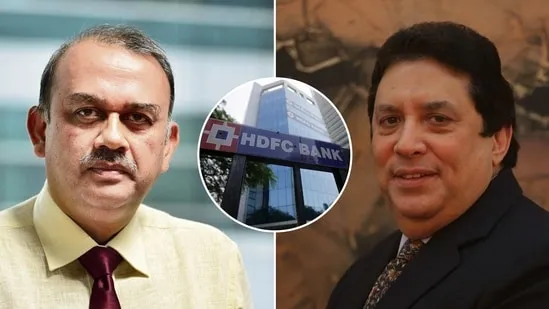
The HDFC Bank chairman exit has triggered fresh debate around corporate governance and leadership continuity in India’s largest private lender. The development has also influenced investor sentiment, with markets closely tracking its potential impact on stability and future strategy.
The HDFC Bank chairman exit is a time-sensitive development, and the tone remains aligned with current news reporting. The leadership change comes at a time when the bank is already navigating post-merger integration and evolving regulatory expectations.
Leadership Transition Sparks Corporate Governance Concerns
The sudden nature of the leadership transition has raised questions around corporate governance standards. In large financial institutions like HDFC Bank, chairman-level exits are not viewed in isolation. Investors typically look for clarity on succession planning, board alignment, and regulatory communication.
While no immediate operational disruption has been reported, the lack of detailed public explanation often creates uncertainty. In India’s banking sector, governance transparency plays a critical role in maintaining institutional credibility, especially for systemically important banks.
Market participants are now watching how the board communicates the transition roadmap and whether a permanent replacement is announced quickly.
Market Reaction and Investor Sentiment Analysis
The immediate market reaction to the news reflected caution rather than panic. Banking stocks, particularly large-cap private lenders, are closely tied to leadership stability, and even minor uncertainty can trigger short-term volatility.
HDFC Bank has historically been considered a benchmark for strong governance and consistent performance. Any perceived deviation from this narrative tends to attract attention from both institutional and retail investors.
Foreign institutional investors, who hold significant stakes in the bank, are likely to evaluate the situation based on clarity of communication and continuity in strategy. Domestic investors, including those from Tier-2 and Tier-3 regions, are also increasingly sensitive to such developments due to rising participation in equities.
Post-Merger Integration Adds to Strategic Complexity
The chairman exit comes in the backdrop of HDFC Bank’s ongoing integration with its parent housing finance business. This merger has significantly expanded the bank’s balance sheet and operational scope, making leadership stability even more critical.
Integration phases typically require strong oversight at the board level. Any leadership vacuum during this period can slow decision-making or create perception risks, even if core operations remain unaffected.
However, the bank’s established management structure and experienced executive team provide some level of continuity. Analysts expect that day-to-day operations will remain stable in the near term.
Regulatory Oversight and Banking Sector Implications
In India, banking leadership changes are closely monitored by the Reserve Bank of India. Regulatory approval processes, fit and proper criteria, and governance frameworks ensure that transitions are controlled and compliant.
The current development is unlikely to trigger systemic concerns, but it reinforces the importance of governance discipline across the sector. For other banks and financial institutions, this serves as a reminder that leadership clarity and communication are key to maintaining market confidence.
The broader banking sector may not see a direct impact, but sentiment-driven movements in banking stocks can occur in the short term.
What Lies Ahead for HDFC Bank
The immediate focus will be on succession clarity. Whether the bank appoints an interim chairman or fast-tracks a permanent replacement will shape investor perception.
In the medium term, performance metrics such as loan growth, asset quality, and margin stability will regain importance. If these remain strong, the current governance concerns are likely to fade.
For now, the situation remains one of cautious observation rather than structural concern. Markets will respond more to communication and execution than to the leadership change itself.
Takeaways
• Chairman exit has raised short-term governance concerns among investors
• Market reaction remains cautious, not disruptive
• Post-merger integration makes leadership continuity more critical
• Regulatory oversight ensures stability in banking leadership transitions
FAQs
Why is the HDFC Bank chairman exit significant?
It signals a key leadership change in a systemically important bank, raising questions around governance and succession planning.
Has the exit impacted HDFC Bank’s operations?
There is no indication of operational disruption, but investor sentiment may remain cautious in the short term.
Will this affect the banking sector overall?
The impact is likely limited to sentiment. The broader sector remains stable with strong regulatory oversight.
What should investors watch next?
Investors should track succession announcements, management commentary, and upcoming financial performance indicators.











Leave a comment