

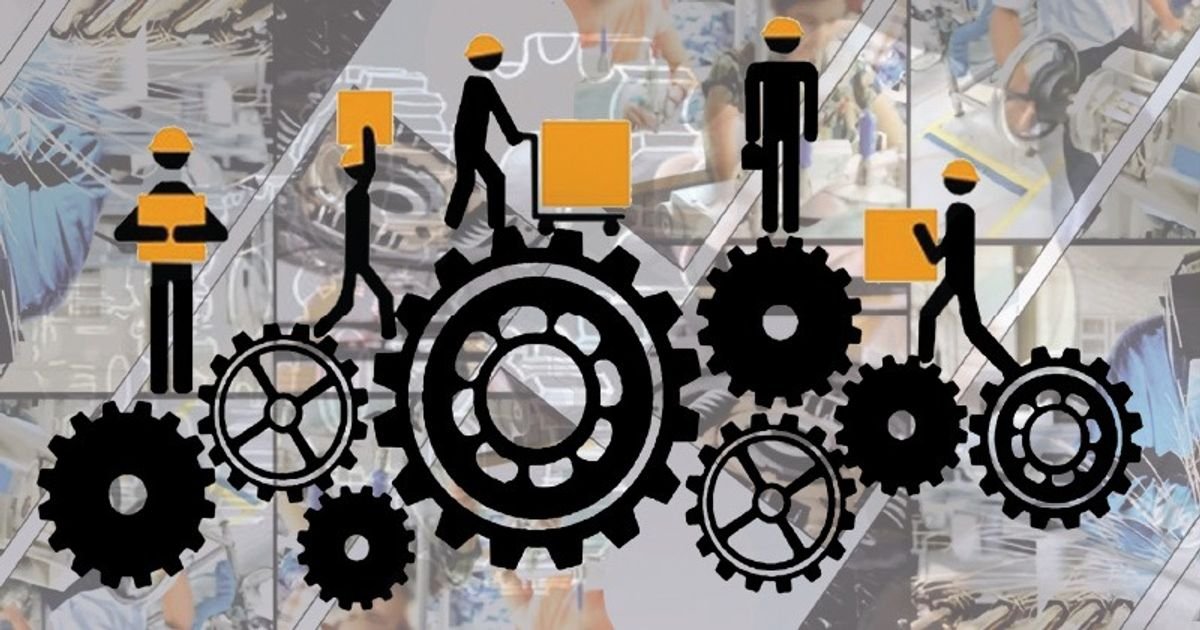
Indian MSMEs are increasingly adopting AI tools in 2026 to reduce hiring expenses, automate repetitive work, and improve operational efficiency. From customer support to inventory management, small businesses are using affordable AI platforms to stay competitive in a cost-sensitive business environment.
Indian MSMEs are shifting toward AI tools faster than many industry experts expected. Rising employee costs, tighter profit margins, and growing digital competition are forcing small and medium businesses to automate operations wherever possible. In 2026, artificial intelligence is no longer limited to large corporations. Affordable AI software and cloud-based platforms are now helping smaller businesses improve productivity without significantly increasing operational expenses.
Across sectors such as retail, manufacturing, logistics, healthcare, education, marketing, and financial services, MSMEs are integrating AI-driven systems into daily operations. Many businesses see AI as a practical solution to rising labor costs and increasing customer expectations.
The trend is especially visible in Tier-2 and Tier-3 cities where businesses are adopting digital tools to scale operations with leaner teams.
Why MSMEs Are Turning to AI-Based Automation
Indian MSMEs often operate with limited budgets and smaller teams. Hiring skilled employees for customer service, data management, marketing, or accounting can become expensive for growing businesses. AI tools are now helping reduce dependency on manual work by automating repetitive processes.
Businesses are using AI-powered chatbots for customer support, automated accounting software for financial management, and AI content tools for marketing activities. Inventory tracking systems powered by machine learning are also helping retailers and manufacturers improve stock management.
Many MSMEs believe automation allows existing employees to focus on higher-value tasks instead of routine administrative work. For example, a small ecommerce business can now use AI tools to handle product descriptions, customer queries, and ad targeting without hiring multiple staff members.
The affordability of subscription-based AI platforms has made adoption easier. Businesses no longer need large technology investments or in-house engineering teams to use automation software.
AI Adoption Expands Across Retail and Manufacturing Sectors
Retail businesses are among the fastest adopters of AI tools in India’s MSME ecosystem. Small retailers are using AI-powered analytics to understand customer buying patterns, manage digital advertising campaigns, and forecast inventory demand.
Online sellers are also integrating AI systems into order management and customer communication. This helps reduce delays and improves customer response times, especially during high-sales periods.
Manufacturing MSMEs are adopting AI-driven production monitoring systems and predictive maintenance software. These tools help reduce machine downtime and improve efficiency in factories.
In sectors like textiles, automotive components, and food processing, businesses are increasingly relying on automation to reduce wastage and optimise supply chains. Industrial AI solutions are becoming more accessible even for smaller factories that previously depended entirely on manual supervision.
The rise of low-cost software-as-a-service platforms has accelerated adoption among businesses that may not have invested in enterprise technology earlier.
Tier-2 and Tier-3 Businesses Lead Practical AI Usage
The shift toward AI is no longer restricted to metro cities like Bengaluru, Mumbai, or Delhi. Businesses in smaller cities such as Indore, Surat, Nagpur, Jaipur, Coimbatore, and Lucknow are increasingly experimenting with automation tools.
Many MSMEs in regional markets are adopting AI for practical business needs instead of advanced experimentation. Customer relationship management, invoice generation, WhatsApp automation, and social media scheduling are among the most common applications.
The growth of digital payments and ecommerce has also pushed smaller businesses to modernise operations. Companies that once relied entirely on offline business models are now integrating AI-enabled tools to manage online sales and customer engagement.
Local language AI interfaces are further improving adoption rates. Several software providers now offer Hindi and regional language support, making AI tools easier for non-technical business owners to use.
This shift is helping MSMEs compete more effectively with larger organised players.
Hiring Patterns Are Changing Across Small Businesses
One of the biggest impacts of AI adoption is the changing nature of hiring within MSMEs. Businesses are not necessarily eliminating jobs completely, but they are becoming more selective about recruitment.
Instead of expanding large support teams, companies are prioritising skilled employees who can manage technology systems, analyse business data, or oversee digital operations. This means demand for digital literacy and AI familiarity is increasing even in smaller organisations.
Marketing teams are also becoming leaner because AI tools can now assist with content creation, campaign planning, customer segmentation, and analytics reporting.
At the same time, experts believe AI will create demand for new roles linked to software integration, cybersecurity, AI supervision, and automation management. MSMEs that adapt early may become more efficient and scalable over the next few years.
Challenges MSMEs Still Face in AI Adoption
Despite rising adoption, several barriers remain. Many small businesses still lack awareness about which AI tools are genuinely useful for their operations. Concerns about data privacy, software reliability, and employee training continue to slow adoption in some sectors.
Internet connectivity and digital infrastructure also vary significantly across regions. Smaller businesses often struggle with implementation because they lack dedicated IT support.
Another challenge is overdependence on automation without proper human oversight. AI tools can improve efficiency, but they still require monitoring to avoid operational mistakes or inaccurate outputs.
Industry experts believe MSMEs will benefit most when AI is used to support human productivity rather than fully replace workers.
Still, the broader trend is clear. Artificial intelligence is becoming an important operational tool for India’s small business economy.
Key Takeaways
- Indian MSMEs are adopting AI tools to reduce operational and hiring costs.
- Retail, manufacturing, logistics, and ecommerce sectors are leading AI adoption.
- Tier-2 and Tier-3 businesses are increasingly using affordable automation platforms.
- AI is changing hiring patterns by increasing demand for digitally skilled employees.
FAQ
Why are MSMEs adopting AI tools in India?
MSMEs are adopting AI to automate repetitive tasks, reduce labor costs, improve customer service, and increase operational efficiency.
Which AI tools are commonly used by small businesses?
Businesses commonly use AI chatbots, accounting software, inventory management systems, marketing automation tools, and customer analytics platforms.
Are AI tools replacing jobs in MSMEs?
AI is reducing the need for some repetitive roles, but it is also creating demand for digital and technology-focused skills.
Which sectors are seeing the highest AI adoption among MSMEs?
Retail, manufacturing, ecommerce, logistics, education, and marketing-related businesses are among the fastest adopters.










Leave a comment