

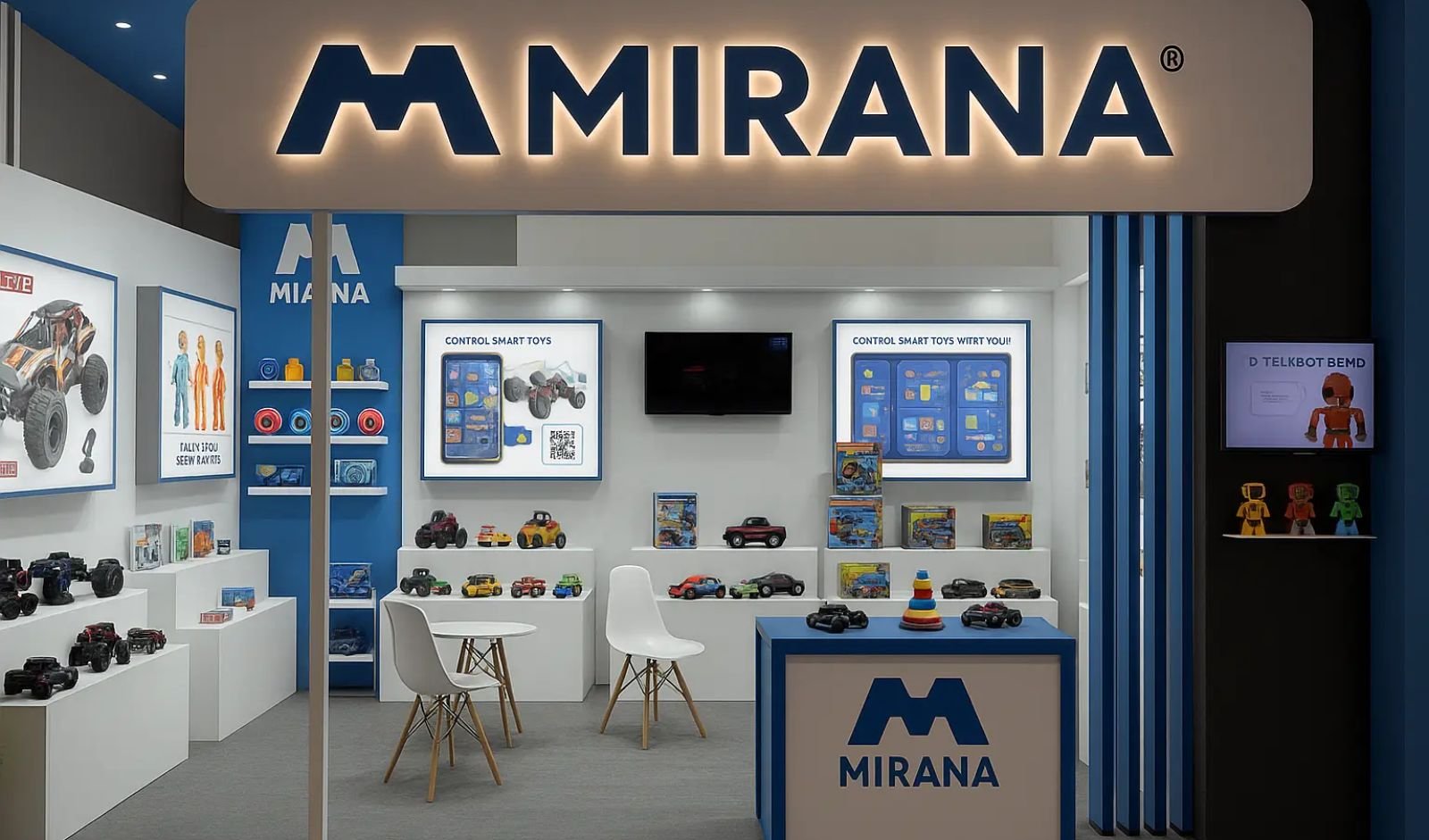
Mirana Toys raising 57.5 crore signals a turning point for toy tech manufacturing in India and highlights the potential of production hubs outside major metros. The funding strengthens a sector that is gaining momentum through domestic manufacturing, digital integration and strong demand in value driven markets.
Mirana Toys operates in a fast growing category shaped by rising disposable income, expanding online retail and a shift toward locally made toys. The latest investment is time sensitive because it reflects current investor confidence and ongoing changes in the manufacturing landscape. For smaller industrial clusters, the development offers both opportunity and direction.
How Mirana Toys Plans To Scale Production Capacity
Mirana Toys is expected to use the new capital to expand manufacturing capacity, strengthen design capabilities and build integrated supply chains. India has been pushing domestic toy production by raising import duties and improving quality control standards. This environment favours homegrown manufacturers willing to invest in technology and quality assurance.
The fresh investment allows the company to increase automation, improve moulding and assembly infrastructure and scale output for both domestic and export markets. For emerging manufacturing clusters outside metros, this signals that investors are actively seeking companies operating closer to affordable industrial zones rather than expensive metro based plants.
Opportunity For Non Metro Manufacturing Hubs
Toy manufacturing has increasingly shifted toward cities with lower establishment costs and better access to labour. Locations such as Noida, Hosur, Coimbatore, Rajkot and parts of central India have seen steady growth because they offer reasonable land prices and reliable industrial services.
With Mirana Toys expanding operations, ancillary units around these hubs may benefit. Packaging suppliers, mould manufacturers, material processors, electronics assemblers and logistics partners often grow alongside anchor firms. When a funded company scales, it pulls local suppliers into a larger ecosystem of orders, compliance and design collaboration. This ripple effect can strengthen manufacturing clusters that were previously dependent on small, unorganised operators.
Rise Of Toy Tech And Digitally Designed Products
Toy tech combines traditional manufacturing with digital design, embedded electronics, STEM learning concepts and smart interactive features. Indian consumers have become more selective about educational value, safety standards and durability. The new funding signals that investor focus is shifting from low cost plastic items toward higher quality, technology enabled products.
For regional hubs, this means demand for new skill sets and improved manufacturing processes. Factories may need better electronics assembly lines, tighter quality control, and fresher design talent. Training institutes and skilling centres in smaller cities could receive more attention as companies search for workers familiar with electronics integration and digital modelling.
Boost To Domestic Manufacturing Policy Objectives
The funding aligns with India’s objective to reduce dependence on imported toys and strengthen local supply chains. Government incentives encourage firms to manufacture domestically and follow safety norms. As companies like Mirana scale, the industry gains credibility, making it more attractive for investors evaluating the sector.
Smaller cities benefit the most from this shift because many toy factories prefer regions where logistics networks, warehousing space and labour-intensive operations can be managed at lower cost. With new capital entering the sector, more mid-sized firms may set up facilities in non metro clusters, gradually expanding the country’s toy manufacturing footprint.
Impact On SMEs, Suppliers And Local Employment
Small and medium enterprises play a critical role in the toy value chain. Injection moulding units, printing presses, textile suppliers, electronics component makers and packaging firms often operate near larger plants. When companies with strong funding raise production targets, SMEs experience an increase in orders and are pushed to upgrade quality, efficiency and compliance.
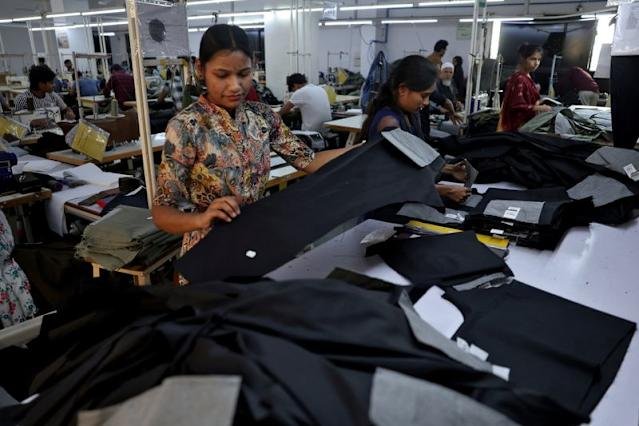
Employment opportunities also increase. Toy production involves labour intensive assembly, quality testing and finishing work. Hiring demand rises in semi urban belts where labour supply is stable and wages are cost competitive. Local transporters, warehouse operators and micro vendors also benefit, strengthening the broader local economy.
Challenges That Regional Hubs Must Overcome
Although the overall outlook is optimistic, smaller hubs face hurdles. Skilled labour for advanced toy tech is limited outside metro cities. Infrastructure gaps in power reliability, supply chain connectivity and industrial waste management can slow scale up.
Compliance with global safety standards is another challenge. As companies expand toward exports, they must adopt strict chemical, electrical and durability norms. Not all regional suppliers are prepared for this transition. Without targeted training, infrastructure upgrades and long term planning, some hubs may struggle to meet rising expectations.
Takeaways
• Mirana Toys securing 57.5 crore highlights investor confidence in Indian toy tech manufacturing
• Non metro manufacturing hubs stand to benefit through higher demand for suppliers, labour and ancillary services
• Toy tech growth requires stronger digital design skills and upgraded production capabilities in smaller cities
• Infrastructure and compliance gaps remain key challenges for regional clusters aiming for export scale
FAQ
Q: Why is the Mirana Toys funding significant for the toy industry
A: It indicates strong investor interest in domestically manufactured, technology oriented toys and signals growth potential for regional manufacturing clusters.
Q: How will smaller cities benefit from this development
A: They may see higher employment, increased supplier activity and more investment in production capacity as manufacturing shifts toward cost efficient regions.
Q: Will the funding boost toy exports from India
A: It strengthens the possibility by enabling better quality control, technology integration and scale, which are essential for export competitiveness.
Q: What challenges do toy manufacturers face outside metros
A: Skill shortages, infrastructure gaps and compliance requirements are the biggest hurdles for companies operating in smaller industrial clusters.








Leave a comment