

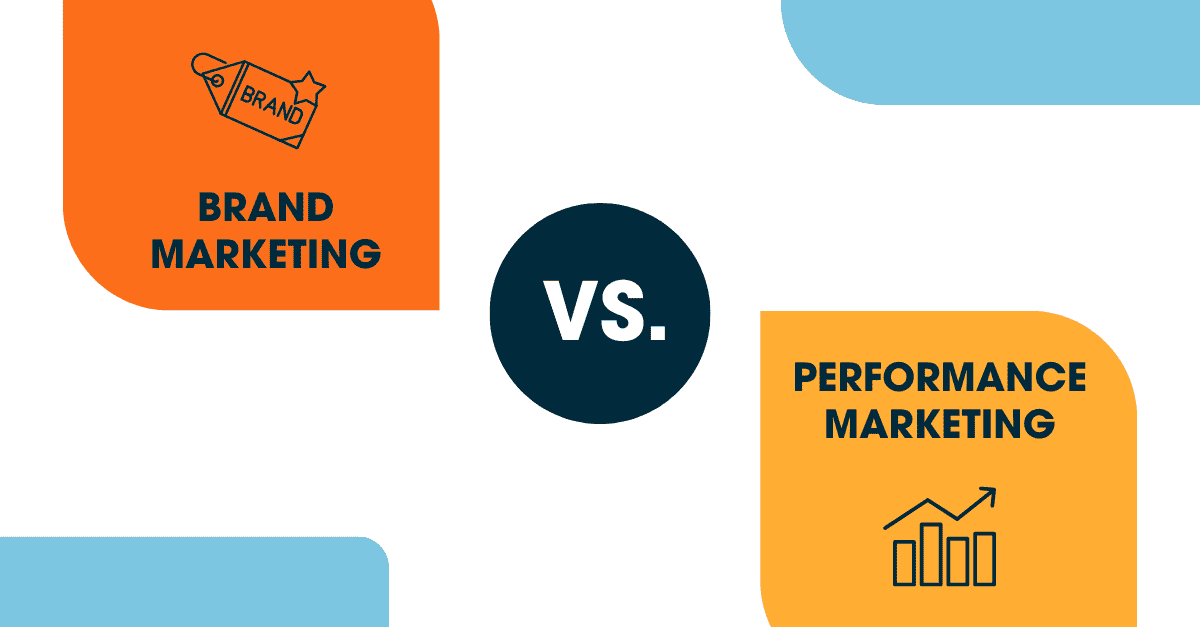
Performance marketing vs brand building has become a central debate in India’s advertising industry, as companies rebalance budgets in response to rising digital competition and changing consumer behavior. The trend in 2026 shows a measurable tilt toward performance-led spending, with brand investments becoming more strategic and selective.
Performance Marketing vs Brand Building Reflects Budget Shift
Performance marketing vs brand building dynamics in India reveal how companies are prioritizing measurable outcomes. The main keyword captures a shift where marketers increasingly favor channels that deliver direct conversions, trackable ROI, and immediate business impact.
Over the past few years, digital-first brands have driven this change. Categories such as e-commerce, fintech, and direct-to-consumer businesses rely heavily on performance campaigns to acquire customers quickly. Platforms like Google and Meta Platforms offer granular targeting and analytics, making it easier to optimize campaigns in real time.
This has led to a larger share of marketing budgets being allocated to performance channels, particularly in growth-focused companies.
Why Performance Marketing Is Attracting More Spend
Performance marketing trends in India show that companies are drawn to its accountability. Every rupee spent can be linked to outcomes such as clicks, leads, or sales.
In a funding environment where capital efficiency is critical, businesses are under pressure to demonstrate returns on marketing investments. Performance marketing allows them to scale campaigns based on data-driven insights.
Another factor is the rise of digital commerce. As more consumers shop online, companies need to invest in channels that drive immediate conversions. Performance campaigns align well with this objective.
Startups and mid-sized companies, in particular, prefer performance marketing because it offers faster feedback and measurable growth.
Brand Building Remains Essential for Long-Term Growth
Despite the shift toward performance marketing, brand building in India continues to play a crucial role. Companies are recognizing that long-term growth depends on building trust, recall, and emotional connection with consumers.
Brands like Tata Group and Amul have demonstrated the power of consistent brand building over decades. Strong brands can command premium pricing and customer loyalty.
In 2026, brand investments are becoming more strategic. Instead of broad campaigns, companies are focusing on targeted storytelling, regional relevance, and purpose-driven messaging.
Brand building is particularly important in categories with high competition, where differentiation is key.
Balancing Short-Term ROI and Long-Term Equity
Marketing strategy in India is increasingly about balancing performance marketing with brand building. Companies are moving toward integrated approaches that combine both elements.
Performance campaigns drive immediate sales, while brand campaigns create awareness and trust. Together, they support sustainable growth.
For example, a company may use performance marketing to acquire new customers while investing in brand campaigns to improve retention and lifetime value. This dual approach ensures that short-term gains do not come at the expense of long-term equity.
The challenge lies in allocating budgets effectively between these two objectives.
Role of Data and Technology in Decision Making
Data-driven marketing in India is influencing how companies allocate budgets between performance and brand initiatives. Advanced analytics tools provide insights into customer behavior, campaign effectiveness, and return on investment.
Companies are using attribution models to understand the impact of different channels. This helps them optimize spending and improve overall marketing efficiency.
Technology platforms also enable personalized marketing, allowing brands to deliver relevant messages to specific audiences. This blurs the line between performance and brand campaigns.
As data capabilities improve, companies are becoming more sophisticated in their marketing strategies.
Sectoral Differences in Marketing Spend
Spending patterns vary across industries. E-commerce, fintech, and gaming companies allocate a larger share of budgets to performance marketing due to their focus on rapid customer acquisition.
On the other hand, sectors such as FMCG, automotive, and consumer durables continue to invest significantly in brand building. These industries rely on trust and long-term relationships with consumers.
Regional campaigns are also influencing budget allocation. Companies targeting Tier-2 and Tier-3 markets are combining brand storytelling with performance-driven tactics to maximize impact.
This variation highlights the need for customized marketing strategies based on industry and business goals.
Challenges in Choosing the Right Strategy
Deciding between performance marketing and brand building is not straightforward. Over-reliance on performance marketing can lead to diminishing returns and increased customer acquisition costs.
At the same time, excessive focus on brand building without measurable outcomes can strain budgets. Companies need to find the right balance based on their growth stage and market conditions.
Measuring brand impact is another challenge. Unlike performance campaigns, brand initiatives often have indirect and long-term effects, making them harder to quantify.
Organizations need to develop frameworks to evaluate both short-term and long-term marketing effectiveness.
What This Means for Indian Companies
The evolving balance between performance marketing and brand building reflects a more mature marketing landscape in India. Companies are becoming more strategic in how they allocate resources.
For businesses, the key is to integrate both approaches rather than treating them as separate strategies. This ensures that immediate growth and long-term value creation go hand in hand.
For marketers, the focus is shifting toward data-driven decision making, creative storytelling, and customer-centric campaigns.
The future of marketing in India will depend on how effectively companies combine performance and brand strategies.
Key Takeaways
• Performance marketing is attracting a larger share of budgets due to measurable ROI
• Brand building remains critical for long-term growth and customer loyalty
• Companies are adopting integrated strategies combining both approaches
• Data and technology are driving more efficient marketing decisions
FAQs
What is the difference between performance marketing and brand building?
Performance marketing focuses on measurable outcomes like sales, while brand building focuses on long-term awareness and trust.
Why are companies spending more on performance marketing?
It offers clear ROI, faster results, and better alignment with digital commerce growth.
Is brand building still important?
Yes, it is essential for long-term customer loyalty and differentiation.
How can companies balance both strategies?
By integrating performance campaigns with brand storytelling and using data to optimize spending.











Leave a comment