

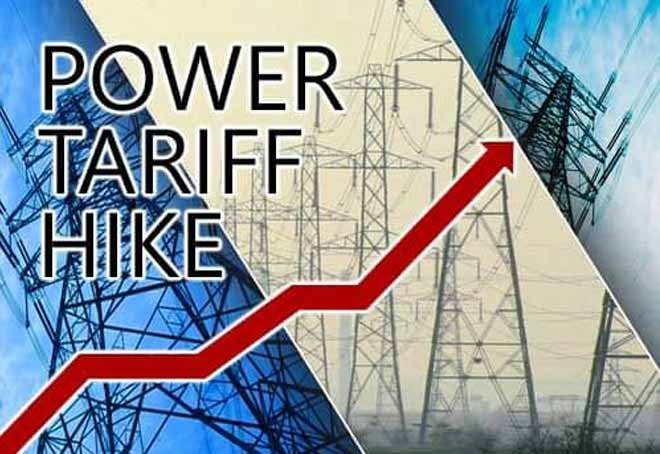
Recent power tariff revisions across multiple Indian states are reshaping cost structures for MSMEs and local manufacturing units. As electricity remains a core input cost, even marginal tariff changes are influencing pricing, profitability, and operational decisions for small businesses across Tier-2 and Tier-3 regions.
Power tariff revisions across states have emerged as a time-sensitive development, with several state electricity regulators adjusting rates in early FY 2026. These changes are driven by rising input costs for discoms, subsidy adjustments, and efforts to reduce financial losses in the power sector.
Rising Power Tariffs Increase Cost Pressure on MSMEs
Electricity is a major operational expense for MSMEs, especially in sectors like textiles, food processing, metal works, and small-scale manufacturing. With power tariff hikes reported in states such as Maharashtra, Tamil Nadu, and Rajasthan, businesses are witnessing a direct increase in monthly operating costs.
For many MSMEs, power costs can account for 10 to 30 percent of total expenses depending on the industry. A tariff hike of even 5 to 10 percent can significantly impact margins, particularly for units operating on thin profitability.
This situation is more pronounced in Tier-2 and Tier-3 cities where businesses often lack access to alternative energy sources or bulk power purchase agreements that larger industries use to offset costs.
State-Wise Tariff Changes and Regional Business Impact
Power tariffs in India are regulated at the state level, leading to varied revisions across regions. Some states have increased tariffs to recover discom losses, while others have restructured slabs to reduce cross-subsidies.
For example, industrial and commercial users in certain states are seeing higher tariffs as governments attempt to balance subsidies given to agricultural and residential consumers. This cross-subsidy burden often falls on MSMEs.
In industrial clusters such as Pune, Coimbatore, and Ludhiana, small manufacturers are already reporting increased cost pressures. These clusters rely heavily on continuous power supply, making them more sensitive to tariff changes.
The uneven tariff landscape also affects competitiveness, as businesses in higher-tariff states may struggle to match pricing with counterparts in regions with lower electricity costs.
MSME Profitability and Pricing Adjustments Under Pressure
With rising electricity costs, MSMEs are being forced to reassess pricing strategies. Many small manufacturers are attempting to pass on increased costs to customers, but this is not always feasible in price-sensitive markets.
In sectors like FMCG supply chains or local manufacturing, where competition is intense, even minor price increases can lead to loss of customers.
As a result, some businesses are absorbing the cost increases, which directly impacts profitability. Others are reducing production hours or delaying expansion plans to manage expenses.
This trend could slow down growth in local manufacturing ecosystems, especially in smaller cities where MSMEs play a critical role in employment generation.
Shift Toward Energy Efficiency and Alternative Solutions
The current tariff scenario is also pushing MSMEs toward energy optimisation. Businesses are increasingly exploring options such as solar rooftop installations, energy-efficient machinery, and load management practices.
While the upfront cost of adopting renewable energy solutions can be high, long-term savings are becoming more attractive as grid electricity prices rise.
Government schemes promoting solar adoption and energy efficiency are gaining attention among small businesses. However, awareness and access to financing remain challenges, particularly in non-metro areas.
Over time, this shift could lead to a more sustainable and cost-efficient operational model for MSMEs.
Policy Outlook and What Businesses Should Expect
Power tariff revisions are likely to continue as discoms aim to improve financial health and reduce accumulated losses. Fuel cost adjustments and infrastructure investments will also influence future tariff decisions.
For MSMEs, this means that electricity costs may remain volatile in the near term. Businesses need to factor in these fluctuations while planning budgets and expansion strategies.
Policy support in the form of subsidies, easier financing for renewable adoption, and stable tariff frameworks will be crucial in ensuring that MSMEs remain competitive.
The focus is gradually shifting from short-term relief to long-term sustainability, both for the power sector and small businesses.
Takeaways
- Power tariff hikes are increasing operational costs for MSMEs across multiple states
- Tier-2 and Tier-3 manufacturing units are more vulnerable to electricity cost fluctuations
- Businesses are facing margin pressure and limited ability to pass on costs
- Energy efficiency and solar adoption are emerging as long-term solutions
FAQs
Why are power tariffs increasing in India?
Tariffs are rising due to higher fuel costs, discom financial losses, and efforts to reduce subsidy burdens across states.
How do power tariff revisions affect MSMEs?
They increase operational costs, reduce profit margins, and may force businesses to adjust pricing or scale operations.
Are all states increasing power tariffs equally?
No, tariff revisions vary by state depending on local policies, discom performance, and subsidy structures.
What can MSMEs do to manage rising electricity costs?
They can adopt energy-efficient practices, explore solar power options, and optimise production schedules to reduce consumption.





Leave a comment