

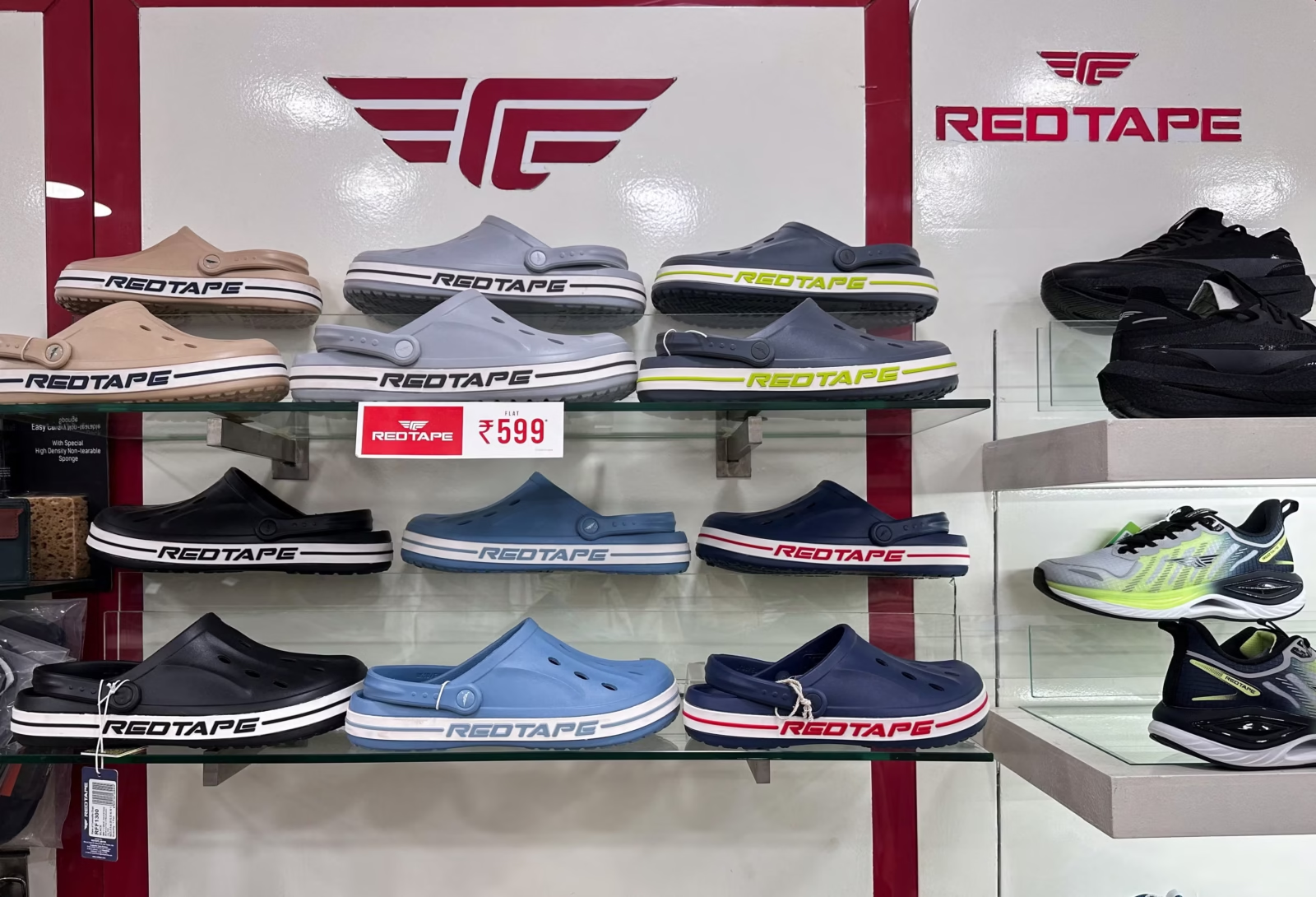
The RedTape stake sale marks a turning point for Indian heritage brands, highlighting growing private equity interest in established consumer businesses with strong recall. This development reflects a shift from chasing pure growth stories to backing profitable, brand led companies with scalable distribution.
RedTape stake sale discussions have drawn attention to a broader change underway in India’s private equity landscape. For years, capital largely flowed into new age startups chasing rapid scale. Now, established heritage brands with decades of consumer trust are back on investor radar. This shift is driven by predictable cash flows, resilient demand, and clearer exit visibility.
Why RedTape Matters in the Heritage Brand Conversation
RedTape is not a startup success story. It is a legacy Indian footwear and apparel brand with deep penetration in Tier 2 and Tier 3 markets. Its relevance lies in distribution strength, value pricing, and strong offline presence. These attributes make it a compelling private equity target at a time when digital first brands are facing margin pressure.
The stake sale signals that private equity firms are reassessing risk. Instead of betting on uncertain profitability timelines, they are prioritising businesses that already generate operating cash. RedTape’s steady demand across non metro India offers exactly that profile. It also benefits from a category where replacement cycles and brand loyalty remain strong.
Private Equity Strategy Shift in Indian Consumer Markets
The RedTape stake sale reflects a wider recalibration in private equity strategy. Investors are moving away from valuation driven momentum deals towards fundamentals based ownership. Indian heritage brands offer long operating histories, visible margins, and asset backed balance sheets.
In recent years, several legacy consumer brands struggled to attract attention due to slower growth narratives. That perception is changing. With consumption stabilising and discretionary spending returning in smaller cities, these brands are proving resilient. Private equity firms see scope for operational improvements, premiumisation, and channel expansion without reinventing the core business.
This approach also reduces downside risk. Heritage brands often survive economic cycles better than newer entrants because they are embedded in everyday consumption. That stability is increasingly valued in uncertain global capital markets.
Why Tier 2 and Tier 3 Markets Are Central
One key reason behind private equity interest in brands like RedTape is their dominance in Tier 2 and Tier 3 India. These markets are less saturated, price sensitive, and loyal to familiar brands. RedTape’s success here is not accidental. It is built on consistent pricing, wide retail reach, and trust built over decades.
For private equity investors, these markets represent long term volume growth. Rising incomes, improved logistics, and formal retail expansion are boosting demand. Heritage brands already present in these regions can scale faster without heavy customer acquisition costs. This creates an attractive return profile with lower capital burn.
Value Creation Levers Private Equity Sees
The RedTape stake sale is not just about buying a brand. It is about unlocking value through execution. Private equity firms typically look at margin optimisation, supply chain efficiency, and sharper brand positioning. For heritage brands, small improvements can lead to significant gains.
Digitisation of inventory, selective online expansion, and premium sub brand launches are common strategies. At the same time, core mass market offerings remain intact. This balanced approach allows growth without alienating loyal customers. RedTape fits this playbook well due to its diversified product portfolio and strong manufacturing base.
Another important lever is governance. Institutional capital brings structured reporting, capital discipline, and clearer growth roadmaps. These changes often improve valuation multiples over time.
What This Means for Indian Heritage Brands
The RedTape stake sale sends a strong signal to other Indian heritage brands. Longstanding consumer businesses that once felt overlooked are now viable private equity candidates. This could trigger consolidation, minority stake sales, and strategic partnerships across sectors like footwear, apparel, FMCG, and home products.
It also changes how promoters think about capital. Instead of relying solely on internal accruals, they can use private equity to modernise operations while retaining control. For the ecosystem, this bridges the gap between traditional family run businesses and institutional growth capital.
Long Term Impact on the Investment Landscape
Private equity interest in heritage brands is likely to deepen. As exit timelines from startup investments extend, investors will seek stable cash generating assets. RedTape’s case demonstrates that Indian brands with strong roots and sensible economics are well positioned.
This does not mean growth stories are out. It means capital is becoming more selective. Businesses that combine brand equity with operational discipline will attract the next wave of investment. The RedTape stake sale is an early indicator of this broader shift.
Takeaways
- The RedTape stake sale highlights renewed private equity interest in Indian heritage brands
- Investors are prioritising profitability, cash flows, and brand recall over rapid scale
- Tier 2 and Tier 3 market strength is a key driver of valuation confidence
- Legacy brands now have clearer pathways to institutional capital and expansion
FAQs
Why are private equity firms interested in heritage brands like RedTape?
They offer stable cash flows, strong brand loyalty, and lower risk compared to early stage startups.
Does this signal reduced interest in startups?
No. It signals diversification. Investors are balancing high growth bets with stable consumer businesses.
How can heritage brands benefit from private equity investment?
Through operational improvements, governance upgrades, and access to growth capital without losing identity.
Will this trend continue in India?
Yes. As consumption rises beyond metros, heritage brands with deep distribution will remain attractive.












Leave a comment