

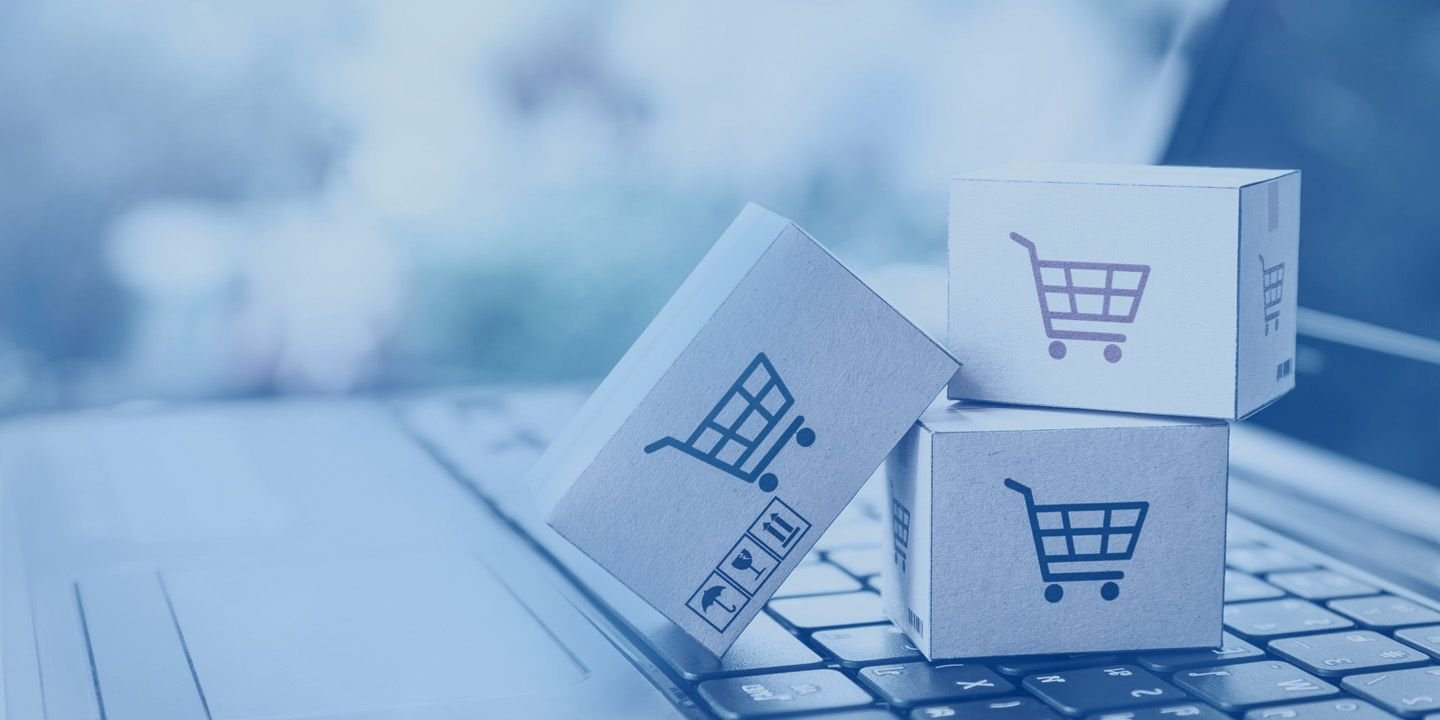
Retail media spend in India is rising sharply as fulfilment speed becomes a decisive factor in advertising strategies. Retailers and brands are shifting budgets toward platforms that influence consumer decisions at the moment of purchase, especially where faster delivery directly improves conversion.
This trend is reshaping how digital campaigns are planned, measured and optimised. As ecommerce adoption deepens across Tier 2 and Tier 3 cities, fulfilment speed is becoming both an operational and advertising advantage.
Retail media emerges as a priority for brand budgets
Retail media refers to advertising placed on ecommerce marketplaces, quick commerce apps and retailer owned digital properties. It includes sponsored listings, display ads, in app visibility and brand storefront promotions. The boom in retail media spend is driven by two factors. First, it places ads at the point of intent where consumers are closest to purchase. Second, it offers real time performance data that traditional digital formats cannot match. As retailers build stronger ad networks, brands are allocating higher budgets to these channels because the returns are measurable and often immediate. Tier 2 and Tier 3 markets contribute meaningfully to this rise because online shopping frequency has increased and customers prefer platforms that offer fast delivery at reasonable prices.
Fulfilment speed becomes a competitive advantage
Fulfilment speed now influences advertising decisions because it directly affects conversion rates. When consumers see products with faster delivery tags during peak demand hours, purchase likelihood rises. Quick commerce platforms and large ecommerce players have integrated fulfilment speed indicators into ad placements. Brands that can guarantee 10 to 120 minute delivery windows gain better ad placement priority and higher click through rates. This creates a feedback loop. Faster fulfilment improves ad efficiency, which in turn increases retail media spend from brands that want to maximise visibility. In small cities where logistics has improved significantly in the past two years, fulfilment speed is emerging as a key differentiator, influencing not only sales but also how brands allocate marketing budgets.
How retailers are monetising speed driven visibility
Retailers recognise that speed guarantees push customers toward specific brands. They are developing inventory led ad products where brands pay for premium placement tied to express delivery. For example, a brand with inventory in local dark stores or micro warehouses can access top search slots or instant buy banners within the platform. Retailers also use predictive algorithms that adjust ad ranking based on stock availability in nearby hubs. This ensures that ads shown to consumers represent products that can be delivered quickly. For brands, this means supply chain coordination is now part of marketing strategy. Advertising and operations teams collaborate more closely to ensure the right SKUs are stocked in the right locations so that campaigns can run efficiently.
Impact on brand strategy in Tier 2 and Tier 3 markets
Tier 2 and Tier 3 cities are experiencing the fastest growth in retail media consumption due to rising ecommerce penetration, higher smartphone usage and improved last mile delivery networks. Brands targeting these regions are adopting new strategies. They are prioritising high velocity SKUs that are easy to stock in local fulfilment centres. They are creating hyperlocal campaigns that align with local festivals or weekend shopping patterns. They are also investing in inventory accuracy tools to avoid campaign loss caused by sudden stock outs. Since fulfilment speed strongly influences purchase in smaller towns where trust in ecommerce is still evolving, brands are focusing on reliability in delivery as much as on the creative elements of advertising.
Why fulfilment centric advertising outperforms traditional digital
Traditional digital ads often rely on broad targeting and impression led metrics. Fulfilment centric retail media allows for tighter execution because the platform controls the full funnel from ad placement to order delivery. This has made cost per acquisition more predictable and reduced wastage for FMCG, personal care, electronics and household brands. Speed also drives repeat purchases since customers tend to stick to platforms that honour delivery timelines. For advertisers, the ability to combine fulfilment data with consumer behaviour makes retail media a smarter investment. As more retailers launch their own ad networks, competition for top visibility slots will intensify, pushing brands to optimise both supply chain and marketing.
Takeaways
Retail media spend is growing rapidly as brands chase measurable conversions at the point of purchase.
Fulfilment speed influences ad visibility and performance, making logistics a strategic element of marketing.
Tier 2 and Tier 3 markets are driving retail media growth through rising ecommerce adoption and faster delivery networks.
Brands must align inventory, supply chain and campaign planning to win in speed driven retail advertising.
FAQs
Why is fulfilment speed important in retail media advertising?
It improves conversion rates because consumers prefer products that can be delivered quickly. Platforms reward fast moving SKUs with better ad placements.
How does retail media benefit brands in smaller cities?
Retail media offers targeted visibility and captures demand from new ecommerce users. Faster delivery builds trust among small city consumers and improves repeat purchase behaviour.
Are retailers creating new ad products based on delivery speed?
Yes. Retailers now offer premium ad slots linked to express delivery availability, giving brands with faster fulfilment a competitive edge.
Do brands need to change their supply chain strategy to compete?
In many cases yes. Brands that stock popular SKUs in local warehouses gain higher ad efficiency and better platform algorithms, which improves overall marketing ROI.











Leave a comment