

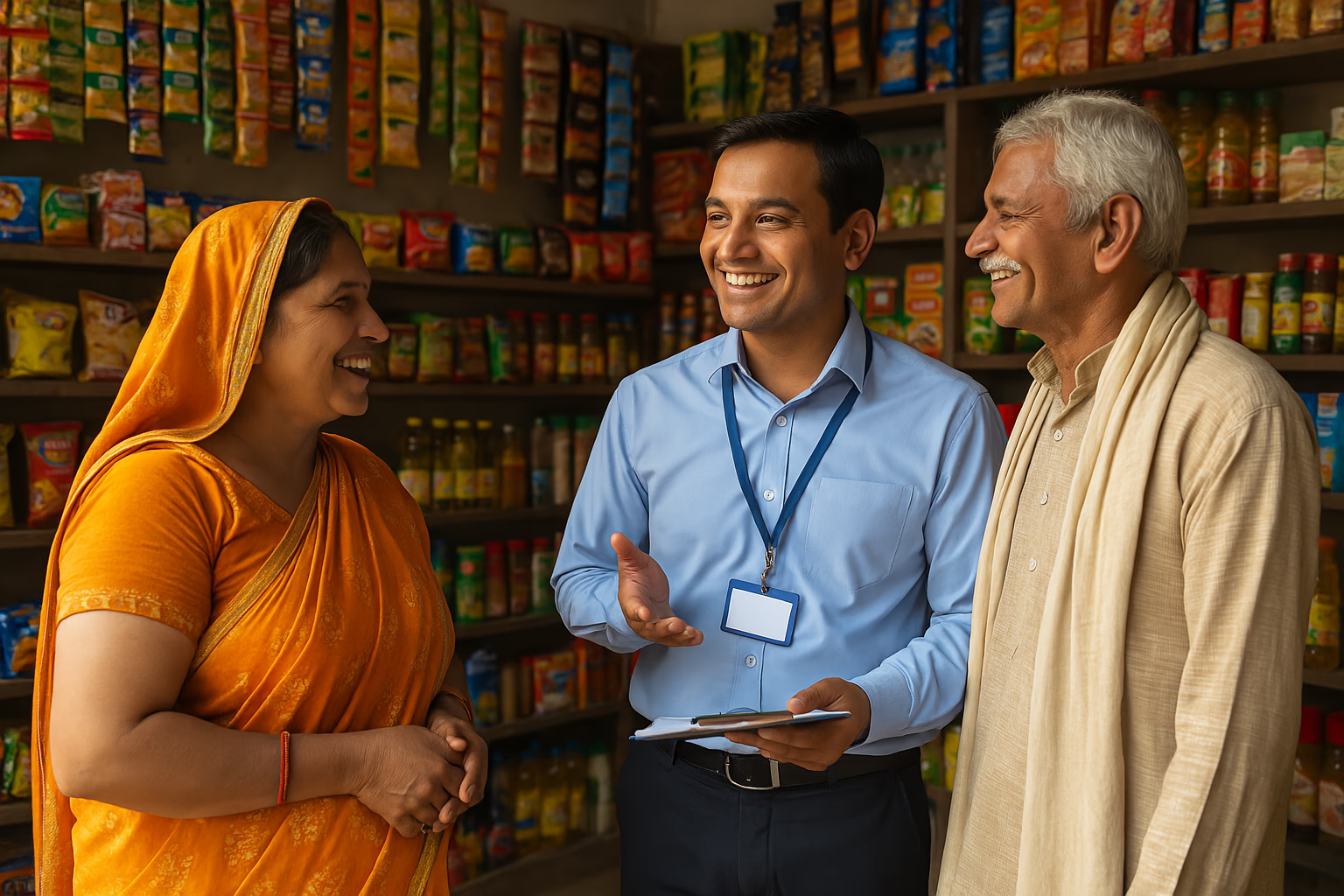
Rural consumption is gaining momentum again, and FMCG brands are sharpening their strategies to capture demand in Tier 2 and Tier 3 markets. This rural consumption rebound is shaping how companies design products, distribution networks and marketing campaigns for smaller Indian towns.
As purchasing patterns stabilise after a period of inflationary pressure, rural and semi urban regions are becoming priority markets for FMCG firms seeking volume growth. The shift is prompting new approaches in pricing, pack sizes, retail formats and brand communication.
Smaller packs and value pricing drive rural FMCG demand
FMCG companies have reintroduced or expanded affordable pack options to match rural spending patterns. These include low unit price sachets in personal care, smaller SKUs in packaged foods and strategic pricing in household staples. The aim is to reduce purchase friction while keeping margins intact. A rural rebound is more sensitive to price expectations, so brands focus on predictable pricing and better perceived value. This strategy also helps Tier 2 and Tier 3 retailers maintain consistent turnover, which builds product familiarity and faster repeat purchases.
Distribution expansion strengthens market access
Distribution remains a core differentiator in rural FMCG growth. Companies are widening last mile routes, adding micro distributors and building rural specific supply chains. In many regions, brands now use hub and spoke models that connect small towns to secondary warehouses instead of metro based supply lines. This cuts delivery time and ensures better product freshness for packaged food, beverages and personal care items. FMCG firms are also working with rural kirana stores and emerging retail points such as local supermarkets that have grown in Tier 2 and Tier 3 cities. Digital order management tools are being introduced to small retailers to improve stock accuracy and reduce dead inventory.
Localised marketing and regional content gain prominence
Marketing strategies for Tier 2 and Tier 3 markets are becoming more nuanced. Brands are investing in regional language advertising, hyperlocal festivals and digital campaigns that address rural cultural cues. Influencers from smaller towns and local micro creators are increasingly part of FMCG communication plans because they build higher trust among rural consumers. Outdoor media formats like wall paintings and transit ads still play an important role, but digital video consumption in small towns is rising fast. As a result, brands now combine offline presence with short form mobile campaigns for quicker message reinforcement.
Product innovation aligns with rural lifestyle needs
FMCG companies are designing products specifically for rural markets instead of repackaging metro oriented concepts. For example, brands are focusing on longer shelf life foods, multi use personal care products and cleaning items tailored for hard water conditions in many Tier 3 households. Packaging is becoming sturdier to withstand rough logistics conditions and longer storage periods. In categories like beverages and biscuits, flavour variants inspired by regional tastes are gaining share. The rebound in rural consumption is giving brands a chance to experiment with innovations that would not have scaled a decade ago due to limited purchasing power.
Retail credit and fintech adoption support purchase confidence
Credit flows in rural retail have improved due to greater use of digital payments and small ticket fintech loans. Kirana owners in smaller towns extend more credit during high demand seasons because repayment cycles are now more predictable. FMCG brands benefit from a healthier working capital environment at the retailer level, which reduces stock outs and supports portfolio expansion. Digital payments also make rural transactions more transparent, helping companies track consumption trends with better accuracy.
Supply chain resilience is becoming a competitive advantage
Recent disruptions showed that rural markets are more vulnerable to supply chain breaks. FMCG firms are now strengthening risk management through multi location warehouses, diversified supplier bases and predictive analytics to anticipate stock movements. Tier 2 and Tier 3 markets respond strongly to availability consistency. When brands maintain steady supply, loyalty and repeat purchase cycles grow faster than in metro markets where substitutes are easily available.
Takeaways
Rural consumption rebound is reshaping FMCG strategies as brands redesign packs, pricing and distribution.
Tier 2 and Tier 3 markets are seeing deeper distribution networks and hyperlocal marketing efforts.
Product innovation is increasingly aligned with rural lifestyle and environment realities.
Retail credit and digital payments are enhancing purchase confidence and stock availability.
FAQs
Why are FMCG brands focusing more on Tier 2 and Tier 3 markets now?
Because rural consumption has started recovering and these markets offer large volume potential compared to saturated metro regions. Improved connectivity and stronger retail networks also support expansion.
Are smaller pack sizes still important for rural markets?
Yes. Smaller packs remain essential because they match daily or weekly spending patterns and reduce purchase hesitation. They also help retailers maintain quick turnover.
Is digital marketing relevant for rural audiences?
Digital video consumption in small towns has grown rapidly. FMCG brands are using regional content, local influencers and mobile campaigns to connect with these audiences more effectively.
Do rural markets prefer different product types?
Often yes. Products with longer shelf life, robust packaging and regional flavours tend to perform better in rural settings due to climate conditions, transport challenges and local taste preferences.











Leave a comment