

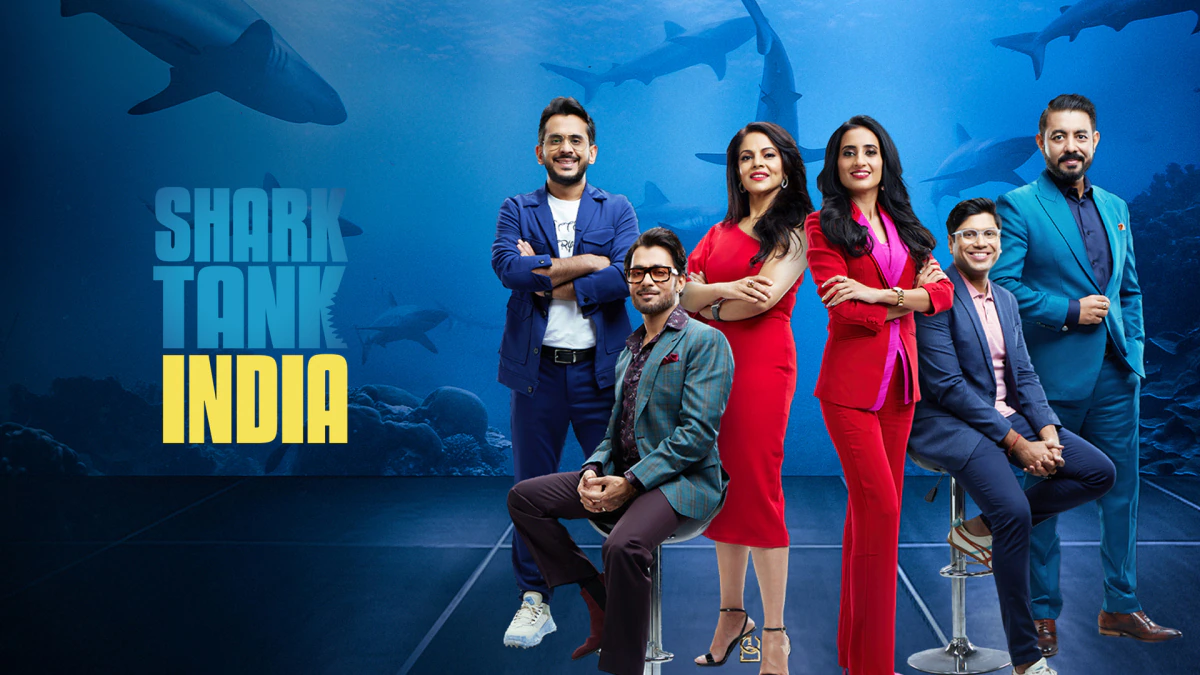
Shark Tank India has introduced millions of viewers to startup funding, business valuations and investor negotiations. However, receiving an investment offer on television does not guarantee that money will reach a founder’s bank account. Due diligence, legal documentation and negotiations determine whether the deal is completed.
Shark Tank India Deals: An Offer Is Only the Beginning
When a founder secures an investment offer on Shark Tank India, the moment often looks like the conclusion of a difficult fundraising journey. The entrepreneur receives an on-screen cheque, the investors express confidence in the business, and the episode ends on a positive note. In reality, the investment process usually continues long after filming.
The cheque shown during a pitch does not necessarily represent money that has already been transferred. It signals an investment commitment that must be evaluated against the investor’s requirements and the business’s actual financial position.
In interviews reported by Indian news publications, several Shark Tank India investors have explained that the next stage involves verifying the claims made during the pitch. Revenue figures, business ownership, legal compliance and other details must be examined before an investment can proceed.
This distinction matters because viewers often associate a televised deal with guaranteed funding. For founders, the offer is an opportunity to begin negotiations, not a reason to stop preparing their business for scrutiny.
What Happens During Due Diligence?
Due diligence is one of the most important stages of startup fundraising. It involves examining a company’s financial records, legal structure, business operations and potential risks before an investor commits capital.
After a Shark Tank India pitch, the investor’s team may review the company’s revenue, profit margins, expenses, outstanding liabilities, tax filings and ownership structure. It may also verify whether the business has the registrations and documentation required to operate.
Financial claims receive particular attention. If a founder reports strong monthly sales, investors need to understand how those sales were calculated, whether they are supported by records and whether the business can sustain its performance.
The process can also reveal problems that were not apparent during the television pitch. A business may have incomplete paperwork, disagreements among co-founders, existing investor obligations or unclear ownership of intellectual property.
In February 2024, The Indian Express reported comments from investors including Namita Thapar and Aman Gupta about deals that did not progress after due diligence. Their accounts highlighted discrepancies in financial information, communication gaps and business structures that needed attention.
The lesson is straightforward: founders must be able to substantiate every material claim they make to potential investors.
Why Shark Tank India Deals Sometimes Fall Through
An investment offer can fail to materialise for several reasons. Not every unsuccessful deal indicates fraud or wrongdoing. Sometimes the founder and investor simply cannot agree on the final terms.
One common reason is a discrepancy between the figures presented on television and the information uncovered during due diligence. If the company’s actual financial position differs materially from the pitch, the investor may reconsider the proposed investment.
A second reason is valuation. A business that experiences rapid growth after filming may attract competing investors or receive offers on different terms. The founder may then decide that the original agreement no longer suits the company’s needs.
Existing investors can also complicate negotiations. A startup may have obligations to previous backers, restrictions on issuing new shares or agreements that affect the proposed transaction.
Other deals may stall because of delays in documentation, unresolved legal issues, disagreements over royalties or differences in expectations about how the company should be managed.
In September 2025, The Economic Times examined the outcomes of deals from Shark Tank India Season 4 and reported that valuation disagreements, due diligence delays and changing business circumstances had contributed to some deals falling through.
These examples show why a televised commitment and a completed investment must be treated as two different milestones.
The Funding Gap for Indian Startups
The gap between securing an offer and receiving funds reflects a broader challenge in India’s startup ecosystem. Businesses need more than an investor’s interest to raise capital successfully. They must also demonstrate financial discipline, operational readiness and the ability to manage an investment relationship.
For early-stage founders, preparing these requirements can be difficult. Entrepreneurs often begin with a small team, limited resources and informal financial processes. They may concentrate on developing products, attracting customers and generating revenue while postponing formal documentation.
However, as a business seeks outside investment, these informal practices can become obstacles.
Investors need reliable information to assess risk and determine whether a company can use additional capital effectively. Without organised records, even a business with a promising product and growing customer base may struggle to close a funding round.
This issue is relevant beyond television. Angel investors, venture capital firms and other private investors generally conduct due diligence before completing investments in unlisted companies.
Shark Tank India makes this process visible to a broad audience, but the underlying requirements are part of normal investment practice.
How the Show Can Help Founders Even Without a Deal
An unsuccessful investment negotiation does not necessarily mean a founder leaves the show without any benefit.
Television exposure can introduce an unfamiliar brand to potential customers, distributors, business partners and other investors. A compelling pitch may also help entrepreneurs communicate their product’s value more clearly.
In some cases, this visibility can translate into increased enquiries or sales. The scale of the benefit depends on factors such as the product, pricing, distribution capacity, audience response and the company’s ability to fulfil additional orders.
The experience can also help founders identify weaknesses in their business model. Difficult questions about margins, customer acquisition costs, repeat purchases and valuation can reveal areas that require attention.
However, publicity should not be confused with sustainable business growth. A sudden increase in demand can create pressure on inventory, customer service and working capital. Companies that cannot manage this growth may struggle to retain customers after the initial attention fades.
Founders should therefore evaluate the overall value of appearing on Shark Tank India rather than judging the experience solely by whether an investment deal closes.
What Founders Should Prepare Before Pitching Investors
Entrepreneurs can improve their chances of completing a funding round by preparing their businesses before approaching investors.
First, they should maintain accurate financial records. Revenue, expenses, profit margins, outstanding loans and cash flow should be documented and reconciled wherever applicable.
Second, founders should understand their valuation. They need to explain how the requested investment amount and proposed ownership stake relate to the company’s performance, assets, growth prospects and risks.
Third, businesses should maintain proper legal documentation. Company registration, shareholding details, intellectual property ownership, tax compliance and existing investment agreements should be reviewed before negotiations begin.
Fourth, entrepreneurs should prepare a realistic plan for using the money. Investors will want to understand whether the funds will support product development, marketing, hiring, inventory, manufacturing capacity or expansion into new markets.
Finally, founders should examine the proposed terms carefully. Equity dilution, royalty arrangements, investor rights, governance requirements and other contractual conditions can influence the company’s future decisions.
A strong pitch may attract attention, but a well-prepared business is better positioned to convert that attention into a completed investment.
What This Means for India’s Startup Ecosystem
The experience of Shark Tank India offers a useful lesson for entrepreneurs, aspiring founders and viewers interested in business. Funding is not simply a reward for presenting an attractive idea. It is a financial relationship built on evidence, negotiation and mutual confidence.
For India’s smaller cities, this distinction is especially relevant. Entrepreneurs in Tier-II and Tier-III markets may build promising businesses without having regular access to institutional investors or experienced fundraising advisers. Better financial documentation and a clearer understanding of investment terms can help them become more prepared when opportunities arise.
At the same time, investors must recognise that early-stage businesses may require support in improving their systems. Constructive communication and clearly defined timelines can help both sides identify problems before they become dealbreakers.
Ultimately, a successful investment requires more than enthusiasm in a television studio. The founder must be ready to share accurate information, the investor must be satisfied with the risks, and both parties must agree on the final terms.
Key Takeaways
- An investment offer on Shark Tank India does not automatically mean that funding has been transferred.
- Due diligence helps investors verify financial claims, legal compliance, ownership and business risks.
- Deals may fall through because of valuation disagreements, incomplete documentation, competing offers or changing business circumstances.
- Founders can improve their fundraising readiness by maintaining accurate financial records, understanding valuation and preparing clear investment plans.
Frequently Asked Questions
1. Do founders receive money immediately after getting a deal on Shark Tank India?
No. The on-screen offer is generally followed by due diligence, negotiations and documentation. Funding is transferred only after the relevant investment conditions are satisfied and the transaction is completed.
2. Why do some Shark Tank India deals not close?
Deals can fail because of discrepancies in financial information, legal or compliance issues, valuation disagreements, existing investor obligations or a founder’s decision to pursue another funding option.
3. Can founders benefit from Shark Tank India without securing funding?
Yes. Appearing on the show can increase brand visibility, introduce products to new customers and attract potential business partners or investors. However, the actual benefits vary by business.
4. How can a startup improve its chances of closing an investment deal?
A startup should maintain reliable financial records, organise its legal documents, understand its valuation, disclose existing obligations and prepare a clear plan for using the proposed investment.












Leave a comment