

Export push and tax relief expectations ahead of Budget 2026 implementation have become central talking points among Indian startup founders. While policy announcements signal support, founders are assessing whether execution will match intent and translate into tangible growth benefits.
Export push and tax relief debates have intensified as startups evaluate how Budget 2026 implementation will affect cash flow, cross border expansion, and compliance burdens. For early stage and growth stage companies, policy clarity often determines hiring decisions, capital expenditure, and international market entry strategies.
Startup Expectations from Export Incentives
Many Indian startups, especially in SaaS, fintech, edtech, and design services, generate revenue from overseas clients. An export push typically includes measures such as interest equalisation schemes, faster GST refunds, and simplified customs procedures for goods exporters.
Founders expect quicker refund cycles on input tax credit and reduced working capital blockage. Delays in GST refunds can strain cash flows, particularly for startups operating on thin margins. A streamlined system improves liquidity and supports reinvestment into product development.
Service exporters also seek clarity on foreign remittance compliance and simplified documentation norms. Digital service exports have grown steadily, and predictable regulatory treatment strengthens India’s position as a global outsourcing and technology hub.
Tax Relief Proposals and Startup Cash Flow
Tax relief for startups often revolves around corporate tax stability, rationalisation of angel tax provisions, and clarity on employee stock option taxation. While headline announcements generate optimism, founders focus on implementation details.
Angel tax reforms have been a recurring demand. Startups raising capital at high valuations prefer certainty around valuation scrutiny norms. Clear guidelines reduce litigation risk and improve investor confidence.
Employee stock option taxation is another sensitive area. Startups rely on ESOPs to attract talent. If taxation occurs at exercise rather than at sale without liquidity, employees face cash flow pressure. Founders advocate for deferral mechanisms aligned with liquidity events.
Corporate tax continuity also matters. Frequent changes in rates or compliance procedures increase uncertainty. Stable policy allows startups to project profitability timelines more accurately.
Ground Reality of Policy Execution
The gap between announcement and execution often defines founder sentiment. Budget 2026 implementation will be evaluated not only on allocations but on administrative efficiency.
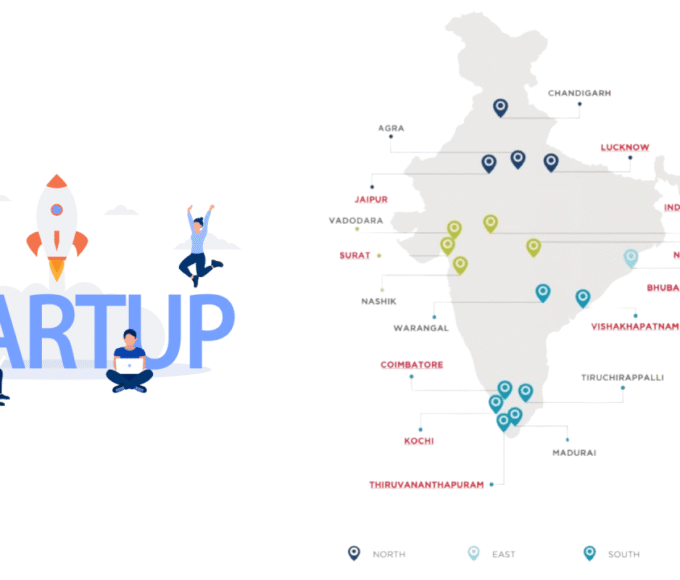
Export promotion schemes sometimes face operational bottlenecks at the ground level. Delays in approvals, documentation complexity, and inconsistent interpretation across jurisdictions can dilute benefits. Startups operating from Tier 2 cities may experience additional procedural friction compared to metro based firms.
Similarly, credit linked incentives require smooth coordination between ministries and financial institutions. If guarantee schemes or concessional loans are announced but banks adopt cautious underwriting, actual access may remain limited.
Founders are increasingly pragmatic. Rather than reacting to headline relief, they assess circulars, notifications, and operational guidelines before adjusting strategy.
Founder Perspectives on Sustainable Support
Many founders argue that beyond tax relief, structural reforms matter more. Simplified compliance, single window clearances, and digital governance systems reduce long term costs.
Export oriented startups seek improved trade agreements and data protection frameworks that align with global standards. Regulatory predictability enhances competitiveness when bidding for international contracts.
Another recurring theme is infrastructure support. Reliable logistics, efficient ports, and stable power supply influence export competitiveness for product based startups. Policy support must extend beyond tax to operational ecosystems.
Access to growth capital also shapes export expansion. Venture capital funding cycles can be volatile. A stable domestic policy environment reassures investors and reduces perceived risk.
Balancing Fiscal Discipline and Startup Incentives
From a policy standpoint, tax relief must be balanced against fiscal sustainability. Governments face pressure to manage deficits while encouraging innovation. This creates a calibrated approach to incentives rather than blanket exemptions.
Targeted support for sectors such as deep tech, clean energy, and manufacturing startups may receive priority. Founders outside these segments may see limited direct benefit.
Export push initiatives may focus on sectors with high foreign exchange potential. Service based startups could benefit indirectly through simplified digital export norms rather than direct subsidies.
The reality is nuanced. Not every startup will experience immediate gains from Budget 2026 implementation. The impact will vary by sector, geography, and stage of growth.
Takeaways
Export incentives can improve liquidity if refund cycles and documentation are streamlined
Tax clarity on angel investment and ESOPs remains a top founder priority
Execution efficiency determines whether announced relief translates into real benefit
Long term structural reforms often matter more than short term tax concessions
FAQs
Q1. What export benefits are startups expecting under Budget 2026?
They seek faster GST refunds, simplified remittance compliance, and interest support schemes to ease working capital pressure.
Q2. Why is angel tax clarity important for startups?
Uncertainty around valuation scrutiny can deter investors and delay funding rounds, affecting growth plans.
Q3. How does ESOP taxation impact startup employees?
If taxed before liquidity events, employees may face cash flow strain. Founders prefer deferred taxation aligned with share sale.
Q4. Will all startups benefit equally from tax relief measures?
No. The impact depends on sector focus, export orientation, and eligibility under specific government schemes.











Leave a comment