

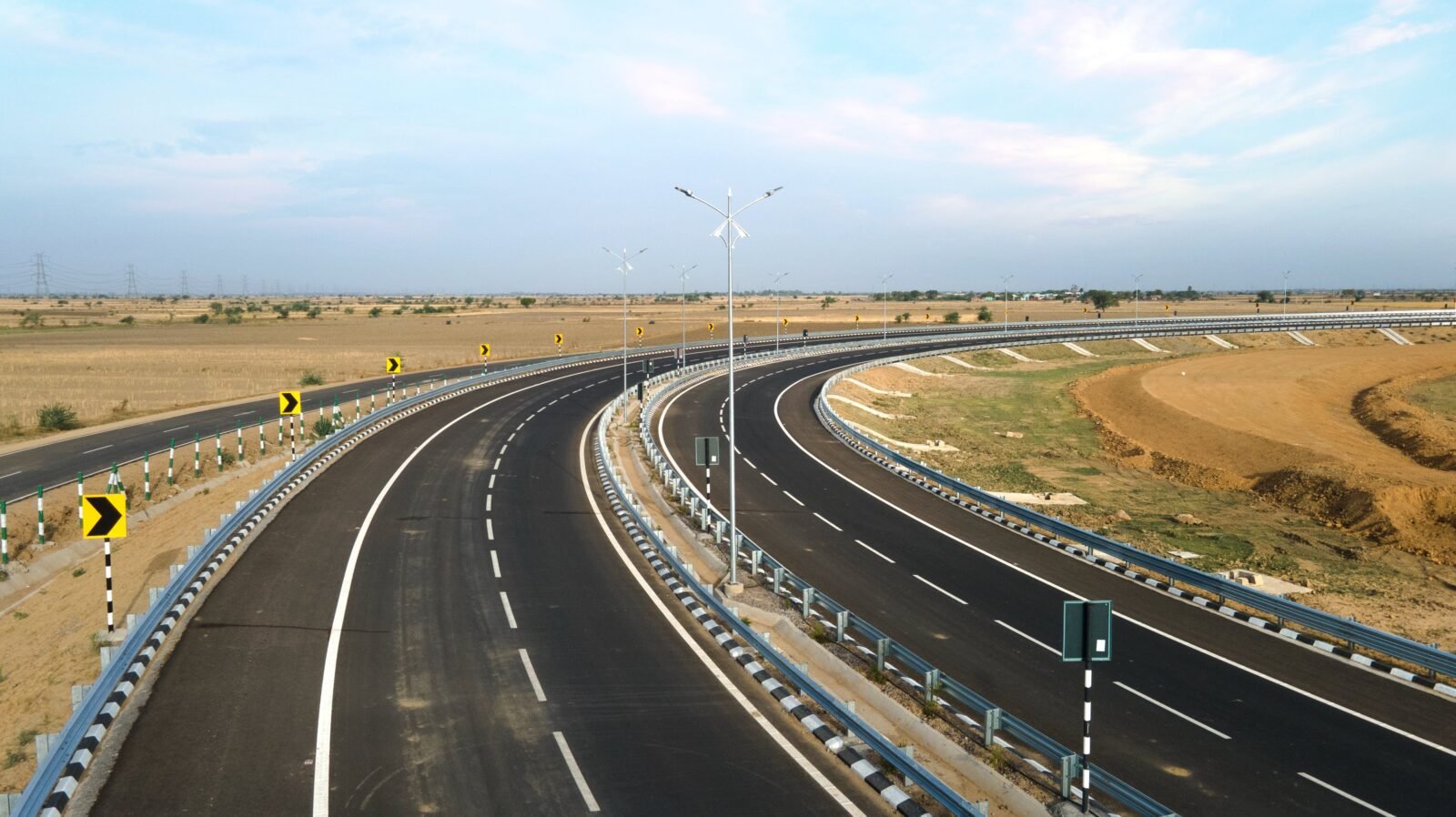
State governments across India are increasingly betting on industrial corridors to create next-generation job centres and attract investment. These coordinated infrastructure and policy pushes mark a shift in regional growth strategy.
The move by states to embrace industrial corridors aims to decentralise manufacturing, streamline investor access, and build job hubs in Tier-2 and Tier-3 regions. As these corridors take shape, the question for local economies is how effectively they translate into sustainable employment and industrial growth.
Corridor infrastructure expands regional manufacturing nodes
Industrial corridors are linear zones combining road/rail connectivity, land parcels, utilities, and logistics infrastructure. States are leveraging them to channel manufacturing and processing activity away from metro cities into newer clusters. For example, state agencies are identifying nodes along major freight corridors and linking them to ports, rail hubs and expressways. The idea is to build manufacturing nodes where factors such as land cost, labour supply and logistics are more favourable. For next-gen job centres, this means large-scale employment may shift to regions previously bypassed by industrialisation.
Policy and incentives draw industry to these corridors
Beyond physical infrastructure, state governments are putting in place policies to attract investment: single-window clearances, fiscal incentives, land acquisition support, training programmes and power/utility linkages. By doing so they hope to reduce cost of entry for manufacturers. For instance, some states are offering plug-and-play parks within corridors that ease setup time significantly. For job seekers in smaller cities this opens up opportunities in manufacturing roles, ancillary supply-chains, logistics and services—not just in large metros.
What next-gen job centres look like in regional India
The term next-gen job centres refers to places where employment goes beyond traditional manufacturing to include advanced engineering, electronics, EV components, logistics parks, and processor/assembly plants. Within industrial corridors, states are designating specific clusters for high-growth sectors like electronics, EVs, defence manufacturing, textiles with automation, and agro-processing. Smaller towns within folds of these corridors can thus transform into job hubs: input suppliers, tool-makers, machine operators, cluster-service providers, logistics supervisors. This shift has implications for workforce skill requirements, local education/training institutions, and long-term regional planning.
Challenges in translating corridors into quality employment
While the promise is strong, states must tackle challenges for corridors to deliver robust job centres. Land acquisition delays, inadequate utilities (power, water, waste), labour-skill mismatch, and connectivity gaps can slow progress. Also, unless the corridors are integrated with local economies, clusters may still import manpower and raw materials, thereby reducing local employment spill-over. States must focus on cluster-led growth, training ecosystems, and timely infrastructure commissioning to ensure job creation matches projections.
Real-world examples highlight the trend
Several states are already walking the talk: one has approved major investment into a logistics and industrial park along a corridor to generate thousands of jobs in a central Indian region. Another has expanded the role of its industrial development agency to build plug-and-play parks for EV components, textiles and advanced manufacturing in corridor zones. These examples illustrate how corridors are being operationalised with employment creation in mind rather than merely infrastructure promises.
What job-seekers and regional businesses should look out for
Job-seekers in towns adjacent to upcoming industrial corridors should watch for new industrial parks opening, companies announcing setting up operations locally, training programmes aligned to corridor sectors, and logistics parks associated with corridor zones. Regional businesses may find opportunities in supply-chain services, component manufacturing, facility maintenance, logistics, packaging and training. For both, proximity to corridor infrastructure becomes a strategic asset. Investing in relevant skills (automation, digital manufacturing, EV component assembly, quality control) can help local talent access corridor-based employment.
Takeaways
• Industrial corridors offer new growth zones outside metros, enabling job hubs in Tier-2/3 regions.
• State policies and incentives are critical to turning corridors into operational manufacturing ecosystems.
• Next-gen job centres within corridor clusters focus on advanced sectors beyond traditional manufacturing.
• Execution risks—land, utilities, connectivity, skills—remain key hurdles that states must manage.
FAQs
What is an industrial corridor?
An industrial corridor is a geographically defined region where infrastructure, connectivity, land parcels, utility services and logistics are developed in an integrated manner to attract manufacturing and processing industries.
How do industrial corridors create job centres?
By clustering industries in corridor nodes, states can attract investment and develop supply-chain ecosystems. This leads to factories, warehouses, logistics hubs and service firms setting up locally, thereby generating employment across manufacturing, logistics, services and ancillary businesses.
Why are states focusing more on corridors now?
States are responding to the push for decentralised manufacturing, the need to relieve metropolitan pressure, to tap cost advantages in smaller towns (land, labour), and to integrate with national freight/logistics corridors that reduce transportation costs and time.
What can local job-seekers in smaller towns do to benefit?
They should monitor announcements of new industrial parks or corridor nodes near their region, seek upskilling aligned to sectors targeted in those corridors (for example EV components, electronics manufacturing, logistics operations), and engage in training programmes or apprenticeship opportunities offered by state agencies or industries in the corridor zone












Leave a comment