

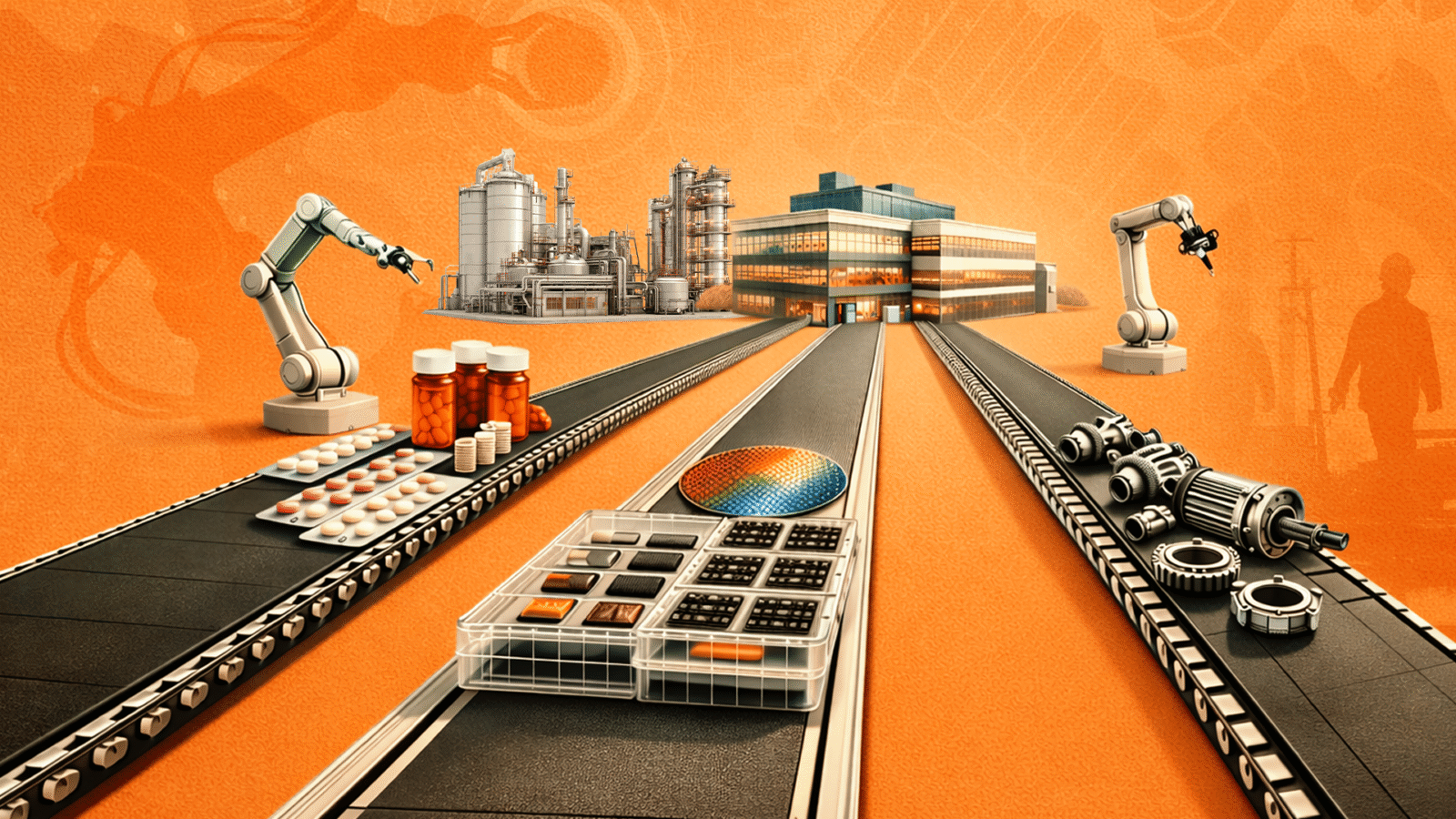
State policies are increasingly shaping India’s next industrial growth clusters by influencing where businesses invest, manufacture, and scale. From incentives to infrastructure, state-level decisions are now central to how new economic hubs emerge beyond traditional metro regions.
How state policies are shaping India’s next industrial growth clusters has become a key theme in the country’s economic transformation. With states competing to attract investments, policy frameworks are no longer just administrative tools but strategic levers that define industrial expansion, job creation, and regional development.
State Industrial Policies Redefine Investment Destinations
State industrial policies in India have evolved to become more targeted and sector-specific. States such as Gujarat, Tamil Nadu, Telangana, and Uttar Pradesh are offering tailored incentives for industries like electronics, renewable energy, textiles, and semiconductors.
These policies include capital subsidies, tax benefits, land allocation support, and faster approvals. For investors, the ease of doing business at the state level often matters more than national policy frameworks.
Secondary keyword focus like industrial policy impact India highlights how localized governance is influencing investment decisions and shifting industrial activity toward new regions.
Rise of New Industrial Clusters Beyond Metro Cities
Industrial growth is no longer limited to traditional hubs like Mumbai, Delhi, or Bengaluru. New industrial clusters are emerging in cities such as Sanand in Gujarat, Hosur in Tamil Nadu, and Noida in Uttar Pradesh.
These locations offer a combination of lower operational costs, access to land, and improving infrastructure. State governments are actively developing industrial corridors, special economic zones, and logistics parks to support this expansion.
This shift is particularly important for Tier-2 and Tier-3 regions, where industrialization can create employment and reduce migration to larger cities.
Infrastructure Development as a Key Policy Tool
Infrastructure remains one of the most critical factors shaping industrial clusters. States are investing heavily in roads, ports, airports, and power supply to attract businesses.
Projects such as dedicated freight corridors, industrial corridors like Delhi-Mumbai Industrial Corridor, and state-level logistics parks are improving connectivity. Reliable infrastructure reduces costs for businesses and enhances supply chain efficiency.
Secondary keyword focus like infrastructure and industrial growth India reflects how physical connectivity directly impacts the success of industrial clusters.
Sector-Specific Policies Driving Cluster Specialization
Another defining trend is the rise of sector-focused industrial clusters. States are identifying their strengths and building ecosystems around specific industries.
For example, Gujarat has strengthened its position in chemicals and pharmaceuticals, Tamil Nadu in electronics and automobiles, and Telangana in life sciences and technology.
Such specialization helps create supply chain networks, skilled workforce pools, and innovation ecosystems. It also makes regions more attractive to both domestic and global investors.
This targeted approach ensures that industrial growth is not scattered but concentrated and sustainable.
Competition Among States Fuels Policy Innovation
India’s federal structure has created healthy competition among states to attract investments. This competition is leading to continuous policy innovation and faster reforms.
States are simplifying regulations, digitizing approval processes, and offering customized incentives for large investors. Investor summits and global outreach programs are also becoming common tools to promote state-level opportunities.
Secondary keyword focus like state competition for investment India explains how this rivalry is accelerating economic reforms and improving governance standards.
Impact on MSMEs and Regional Economies
The growth of industrial clusters has a direct impact on MSMEs and local economies. Large industries often create demand for ancillary units, suppliers, and service providers.
This ecosystem benefits small businesses by providing consistent demand and opportunities to integrate into larger value chains. For Tier-2 entrepreneurs, being part of an industrial cluster can significantly improve business prospects.
Additionally, industrialization drives job creation, increases income levels, and boosts local consumption, contributing to overall economic development.
Challenges in Sustaining Industrial Growth Clusters
While state policies are driving growth, challenges remain. Land acquisition issues, environmental clearances, and policy consistency can affect long-term investments.
There is also a need to ensure that rapid industrialization does not lead to environmental degradation or resource constraints. Balancing growth with sustainability will be crucial for future industrial planning.
Moreover, states must focus on skill development to ensure that the workforce can meet the demands of evolving industries.
What This Means for India’s Economic Future
The increasing role of state policies in shaping industrial clusters reflects a decentralized approach to economic development. Instead of relying solely on national initiatives, states are taking the lead in driving growth.
This trend is likely to create multiple economic hubs across the country, reducing regional disparities and strengthening India’s manufacturing and export capabilities.
For businesses, it means more choices in terms of investment destinations. For policymakers, it highlights the importance of consistent, transparent, and forward-looking industrial strategies.
Key Takeaways
- State policies are becoming the primary drivers of industrial cluster development in India
- New industrial hubs are emerging in Tier-2 and Tier-3 cities
- Infrastructure and sector-specific strategies are key to cluster success
- Competition among states is accelerating reforms and attracting investments
FAQs
Q1. What are industrial growth clusters?
Industrial growth clusters are regions where businesses from specific sectors concentrate, supported by infrastructure, policies, and supply chains.
Q2. How do state policies influence industrial clusters?
They provide incentives, infrastructure, and regulatory support that attract investments and enable businesses to operate efficiently.
Q3. Which states are leading in industrial cluster development?
Gujarat, Tamil Nadu, Telangana, and Uttar Pradesh are among the leading states driving new industrial clusters.
Q4. Why are Tier-2 cities important for industrial growth?
They offer lower costs, available land, and growing infrastructure, making them attractive for new investments.












Leave a comment