

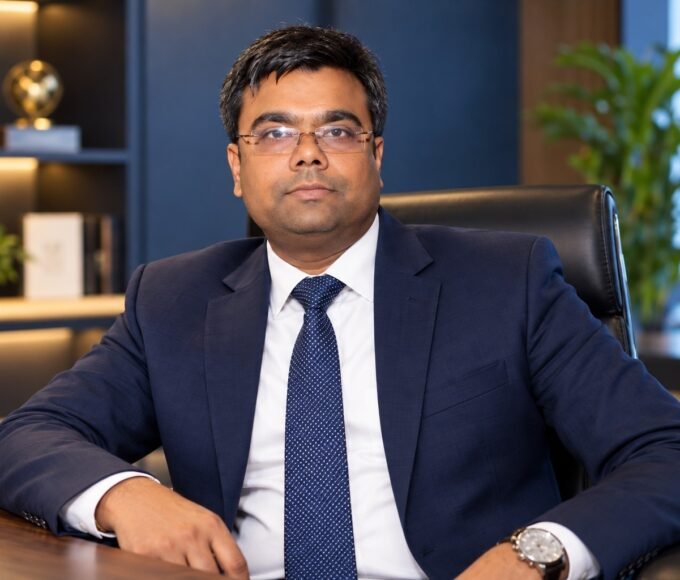
Entrepreneurship often begins with recognising a problem that others have overlooked. For Suraj Kumar Das, Founder and CEO of Formoura Private Limited, that opportunity lay in the commercial potential of traditional Indian resources and the need to connect them with changing consumer and industrial requirements.
His business idea developed from observing the links between agriculture, Indian culture and everyday life. He believed that materials used in traditional practices could have wider commercial value if they were developed into reliable products and supplied to appropriate markets.
The result was Formoura, a company working across cow dung-based organic manure, traditional cow dung cakes and natural pooja essentials.
Building a Business Beyond Conventional Categories
The COVID-19 pandemic helped shape Das’s thinking about the business. As consumers reconsidered their everyday choices and showed greater interest in natural products, he identified an opportunity to develop nature-based goods for households and other users.
However, entering this market required more than recognising a change in consumer preferences. Cow dung-based products carried social stereotypes and were often associated with informal rural markets. Formoura needed to establish consistent manufacturing processes, organise its supply chain and build customer confidence.
Das also pursued industrial applications for cow dung cakes, approaching local manufacturers about their use as an alternative to coal in suitable heating processes. This expanded the company’s potential market beyond households and agricultural users.
Lessons from Early Setbacks
The company’s initial years involved challenges in production and product standardisation. Weather-related inconsistencies affected the drying of pooja items, resulting in delays and lost inventory.
These experiences changed the way the business approached manufacturing. Improved processing methods, closer attention to raw materials and stronger quality control became important lessons from the early setbacks.
For Das, leadership is closely connected with the people responsible for turning a business idea into a working operation. He describes his approach as empathetic and purpose-led, with an emphasis on transparent communication, adaptability and respect for workers and business partners.
This philosophy also reflects his view that environmental responsibility should be connected to practical business decisions rather than treated as a separate message.
Measuring Progress Through Practical Outcomes
The achievements that matter most to Das include developing markets for traditional products, supporting rural producers and supplying households with nature-derived pooja essentials. He also sees potential in reducing coal use in suitable industrial applications through the adoption of cow dung cakes.
Formoura’s future plans include expanding green manufacturing, extending its industrial fuel initiative, developing organic farming solutions and exploring international markets.
The company’s journey illustrates some of the realities of green entrepreneurship: changing established perceptions, improving production systems and demonstrating a product’s usefulness to different buyers. Learn more about Formoura Private Limited on its official website.







Leave a comment