

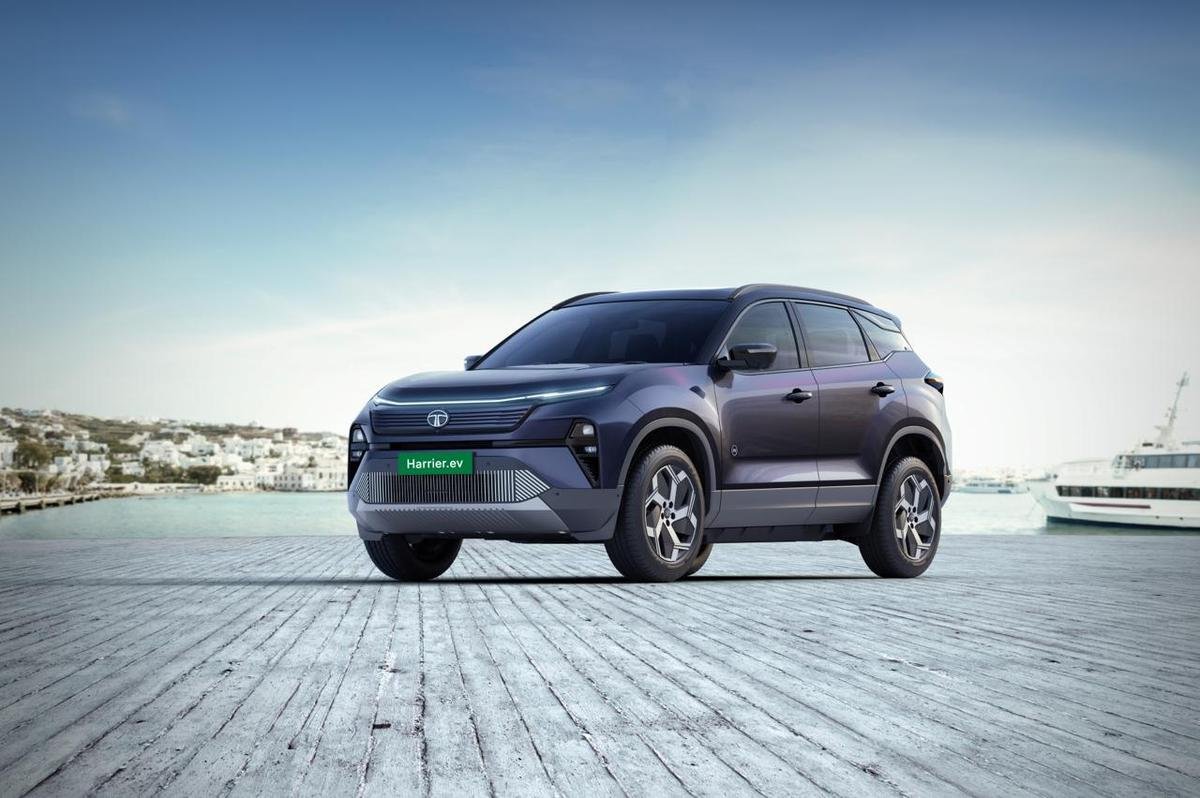
India’s electric vehicle market is entering a new phase, and Tata Motors’ premium EV strategy is becoming a major talking point across the automotive industry. Recent reports suggest that Tata is exploring technology partnerships linked to Chinese electric vehicle expertise, highlighting how global collaborations could influence the next generation of EVs in India. As competition intensifies, the move reflects a broader shift in the country’s electric mobility landscape.
Tata Looks Beyond Entry-Level Electric Vehicles
For several years, Tata Motors has been India’s leading electric passenger vehicle manufacturer. Models such as the Nexon EV, Tiago EV, and Punch EV helped the company build a strong presence in the mass-market segment.
However, India’s EV market is evolving rapidly. Consumers are increasingly seeking longer driving ranges, advanced software features, premium interiors, and faster charging capabilities. This demand is pushing automakers to move beyond affordable electric vehicles and develop premium offerings.
Tata’s latest strategy appears to focus on strengthening its position in this higher-value segment. Industry reports indicate that the company is evaluating partnerships that could provide access to advanced EV platforms, battery technologies, and engineering expertise that have been developed at scale in China.
Why Chinese EV Technology Matters
Advanced Battery and EV Platform Development
China has emerged as the world’s largest electric vehicle market and manufacturing hub. Over the past decade, Chinese automakers and suppliers have invested heavily in battery innovation, software integration, power electronics, and EV platforms.
Many global automakers already rely on Chinese suppliers for critical EV components. Companies in China have achieved significant cost efficiencies while also accelerating product development cycles.
For Indian manufacturers, access to proven technologies can reduce development timelines and improve competitiveness. Instead of building every component from scratch, automakers can focus on adapting global technologies to local market requirements.
This approach is becoming increasingly common as EV manufacturers seek faster routes to market while managing development costs.
Premium EV Segment Becomes the Next Battleground
Rising Competition Among Automakers
The premium electric vehicle category is expected to witness strong growth over the next few years. New entrants and established manufacturers are introducing vehicles with advanced connectivity features, larger battery packs, and enhanced driving performance.
Automakers such as India’s domestic players, global brands, and emerging EV specialists are all targeting customers willing to pay more for technology and convenience.
For Tata Motors, maintaining leadership in the electric vehicle market will require success not only in affordable EVs but also in premium offerings. The company has already showcased future-focused concepts and premium electric products under its evolving portfolio.
By leveraging external technology partnerships where appropriate, Tata may be able to accelerate product launches and improve feature offerings.
Impact on India’s EV Ecosystem
Local Manufacturing and Technology Transfer
One of the most important aspects of international EV partnerships is technology transfer. While concerns around imports and supply chain dependence remain, collaborations can also help strengthen domestic manufacturing capabilities.
India’s automotive industry is increasingly focused on localization. Government initiatives encourage manufacturers to build supply chains within the country and reduce reliance on imported components.
If technology partnerships are structured effectively, Indian companies can gain access to advanced engineering knowledge while continuing to expand local manufacturing operations.
This could benefit component suppliers, battery manufacturers, software developers, and other participants across the EV value chain.
Balancing Opportunity and Strategic Concerns
Partnerships involving Chinese technology often attract attention due to geopolitical considerations and regulatory scrutiny. India has implemented stricter investment and approval frameworks in recent years, particularly for sectors considered strategically important.
As a result, any technology collaboration typically requires careful evaluation from both business and policy perspectives.
For automakers, the challenge is finding the right balance between accessing world-class technology and maintaining supply chain resilience. Companies must ensure that partnerships support long-term growth while aligning with regulatory expectations and national manufacturing goals.
The outcome of such collaborations could influence how India’s EV industry develops over the next decade.
What This Means for Consumers
For consumers, increased collaboration and competition generally lead to better products. Advanced battery systems, improved vehicle performance, enhanced safety features, and faster charging technologies could become more accessible in future models.
As more automakers invest in premium electric vehicles, customers are likely to benefit from greater choice across different price segments.
India’s EV market remains at an early stage compared to global leaders, but the pace of innovation is accelerating rapidly. Strategic technology partnerships may play a key role in helping Indian manufacturers compete not only domestically but also in international markets.
Key Takeaways
• Tata Motors is focusing more aggressively on the premium electric vehicle segment.
• Chinese EV technology is considered valuable due to advancements in batteries, software, and vehicle platforms.
• Technology collaborations could help accelerate EV development and improve product competitiveness.
• The success of such partnerships will depend on localization efforts, regulatory approvals, and long-term strategic planning.
FAQ
Why is Tata Motors focusing on premium EVs?
Consumer demand is shifting toward electric vehicles with longer range, advanced technology features, and premium driving experiences, creating growth opportunities in the higher-end segment.
Why are Chinese EV companies important globally?
China has become a global leader in electric vehicle manufacturing, battery production, and EV technology development, making its expertise highly valuable across the industry.
Can technology partnerships benefit India’s EV industry?
Yes. Effective collaborations can support technology transfer, improve product development, and strengthen domestic manufacturing capabilities.
Will these partnerships affect EV prices in India?
Advanced technologies may initially appear in premium vehicles, but over time increased scale and competition could help make them more affordable for a wider range of consumers.
(Keywords: Tata Motors EV strategy, premium electric vehicles India, Tata EV news, Chinese EV technology, India electric vehicle market, EV partnerships, electric mobility India, battery technology, Tata Motors premium EVs, Indian EV industry)










Leave a comment