

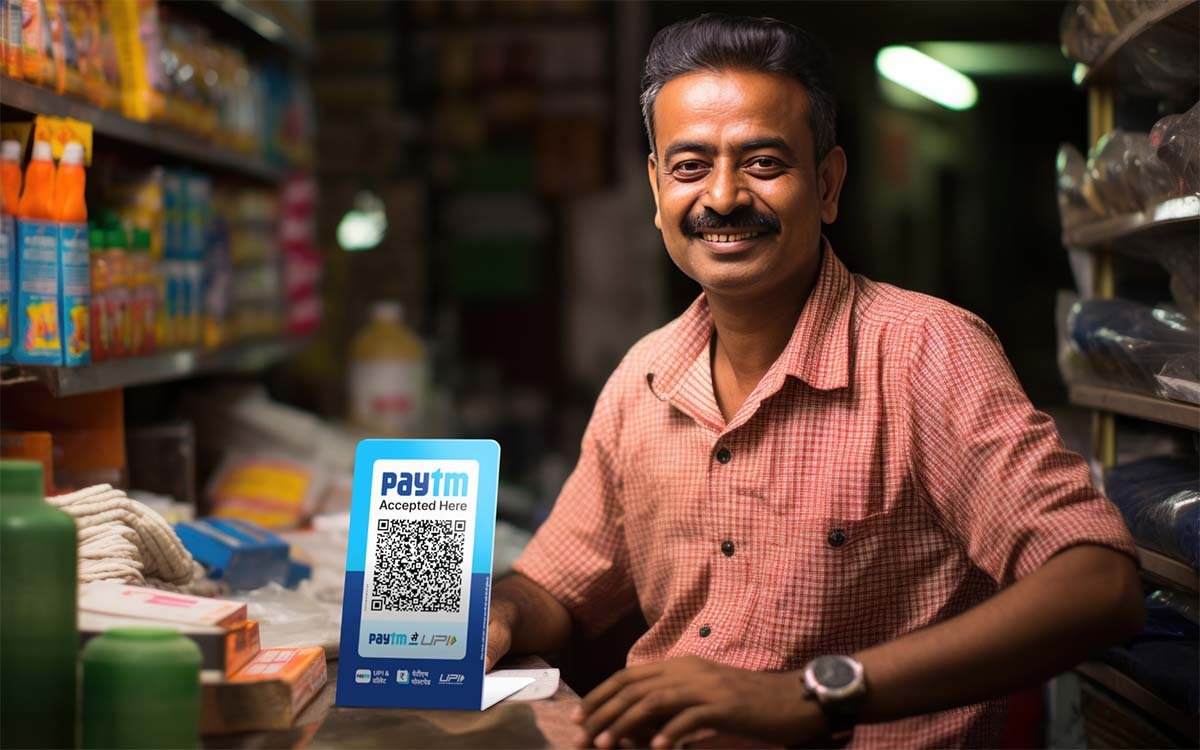
Retail businesses in Tier-3 cities are witnessing a sharp rise in digital payments and UPI credit usage in 2026. Small retailers, grocery stores, pharmacies, and local service providers are increasingly adopting QR payments and credit-linked UPI systems as consumer spending habits continue to evolve.
Retail businesses in Tier-3 cities are becoming an important part of India’s digital payments growth story. What was once largely limited to metro cities and organised retail chains has now expanded deep into smaller towns and semi-urban markets. UPI transactions, QR-based payments, and credit-linked digital spending are growing rapidly among local consumers and small merchants.
The shift is changing how businesses operate in regional India. Kirana stores, medical shops, electronics retailers, restaurants, and local vendors are increasingly relying on digital payment systems for daily transactions. The convenience of mobile-based payments and faster settlement cycles is encouraging wider adoption across smaller markets.
Industry experts believe Tier-3 cities could become one of the biggest drivers of India’s next digital commerce expansion phase.
UPI Adoption Expands Beyond Metro India
India’s Unified Payments Interface, commonly known as UPI, has already transformed the country’s payment ecosystem over the past several years. In 2026, the biggest growth is increasingly coming from smaller cities and regional markets rather than only urban centres.
Affordable smartphones, cheaper internet access, and wider banking penetration have accelerated digital payment adoption in Tier-3 cities. Consumers who once relied heavily on cash are now comfortable making small and large purchases through mobile payment apps.
Retailers are also adapting quickly because QR-based payment systems are inexpensive and easy to use. Many small businesses no longer need expensive card-swiping machines or traditional point-of-sale infrastructure.
Digital transactions are especially growing in categories such as grocery shopping, food services, fashion retail, fuel stations, local transport, and pharmacies. Even small roadside vendors in many towns now accept UPI payments regularly.
This transition has helped businesses improve transaction efficiency while reducing dependence on physical cash handling.
Rise of UPI Credit Changes Consumer Spending Patterns
One of the most important developments in India’s digital finance ecosystem is the increasing use of credit through UPI platforms. Consumers can now access short-term credit lines linked to digital payment systems, allowing them to make purchases even without immediate bank balance availability.
Retailers in Tier-3 cities are seeing higher-value purchases as credit-linked UPI options become more common. Electronics stores, appliance retailers, furniture businesses, and even local clothing shops are benefiting from this trend.
For many consumers in smaller towns, digital credit access was previously limited due to lower credit card penetration. UPI-based credit systems are now filling that gap by offering simpler and more accessible borrowing options.
Buy-now-pay-later models and small-ticket digital loans are also becoming popular among younger consumers in regional markets. This is gradually changing spending behaviour across non-metro India.
At the same time, financial institutions and fintech companies are actively expanding services in semi-urban and rural regions where digital adoption is increasing steadily.
Small Retailers Benefit From Faster and Transparent Transactions
Digital payment systems are helping small retailers manage business operations more efficiently. Faster payment settlements improve cash flow visibility, while transaction records make accounting and inventory tracking easier for shop owners.
Many businesses are now using payment history to access small business loans and working capital financing from banks or fintech platforms. Digital transaction data often provides financial institutions with better visibility into business performance.
Retailers also benefit from reduced cash management risks such as theft, counterfeit currency issues, and manual accounting errors.
In smaller cities where family-run businesses dominate the retail market, digital payments are simplifying operations without requiring large technology investments. Most merchants only need smartphones and QR codes to accept payments.
The growing familiarity with digital systems is also encouraging more retailers to experiment with ecommerce, online ordering, and WhatsApp-based selling models.
Fintech Companies Target Tier-3 Markets Aggressively
Fintech companies and payment service providers are increasingly focusing on Tier-3 and semi-urban markets because these regions still offer significant growth opportunities.
Several digital payment firms are now offering regional language interfaces, simplified onboarding systems, and local customer support to increase adoption among smaller merchants and first-time users.
Banks are also partnering with fintech companies to expand UPI-linked credit products in emerging markets. This includes small business credit, consumer financing, and merchant lending services.
Many payment companies see Tier-3 India as a long-term growth engine because digital transaction volumes in metro markets are already highly competitive. Regional expansion allows fintech firms to acquire new users and strengthen financial inclusion.
Government initiatives promoting digital banking and cashless transactions have also supported wider adoption across rural and semi-urban regions.
Challenges Still Exist in Smaller Markets
Despite rapid growth, several challenges remain. Internet connectivity can still be inconsistent in some regions, especially during peak usage periods or adverse weather conditions.
Digital literacy also varies across different demographic groups. Older business owners and consumers may still prefer cash transactions due to familiarity and trust concerns.
Cybersecurity awareness is another important issue. As digital payments increase, concerns related to fraud, phishing, and financial scams are also rising in smaller cities.
Financial experts believe awareness campaigns and stronger consumer education will be necessary to ensure safe digital payment usage across emerging markets.
Still, the overall trend remains strong. Tier-3 cities are becoming increasingly important to India’s evolving digital economy.
Key Takeaways
- Tier-3 cities are witnessing rapid growth in UPI and digital payment adoption.
- UPI-linked credit systems are changing spending patterns in smaller markets.
- Small retailers are benefiting from faster payments and improved financial transparency.
- Fintech companies are aggressively expanding into regional and semi-urban India.
FAQ
Why are digital payments growing in Tier-3 cities?
Affordable smartphones, internet access, UPI convenience, and wider banking penetration are driving digital payment adoption in smaller cities.
What is UPI credit?
UPI credit allows users to make digital payments using linked credit facilities instead of only bank account balances.
How are retailers benefiting from digital payments?
Retailers benefit from faster transactions, improved cash flow management, easier accounting, and better access to business financing.
What challenges do digital payment systems face in smaller cities?
Internet connectivity issues, cybersecurity risks, and varying levels of digital literacy remain major challenges.











Leave a comment