

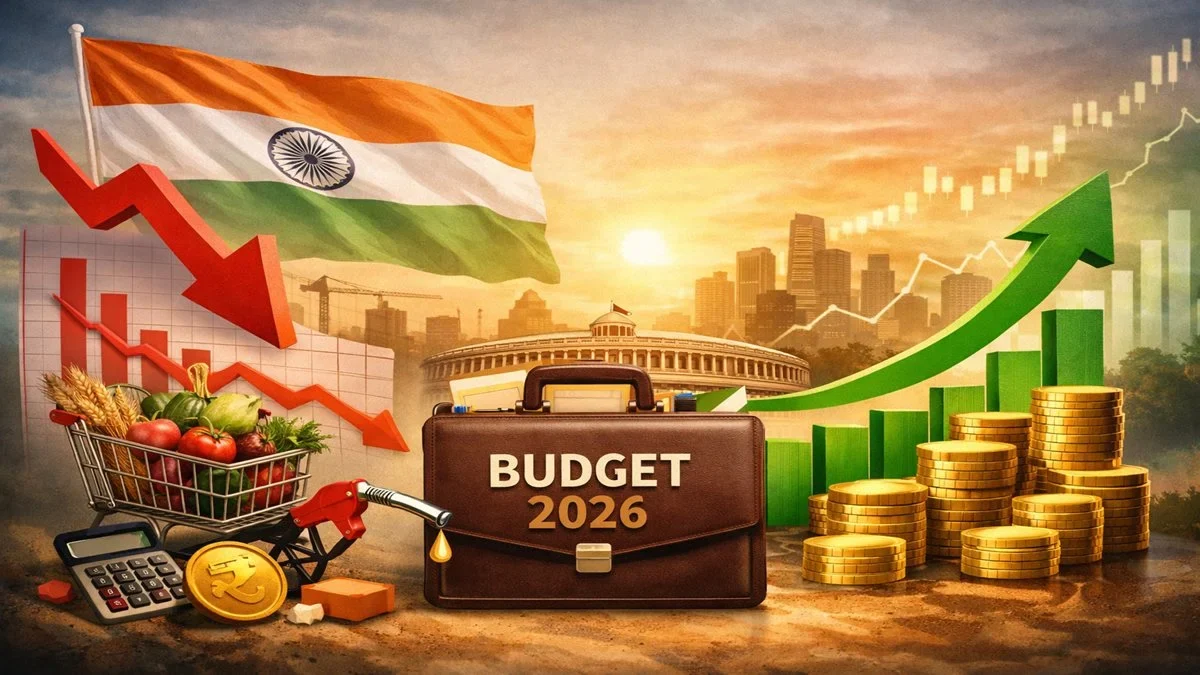
Union Budget 2026 carries direct implications for SMEs and MSMEs in Tier 2 India, especially around tax policy, credit access, and compliance norms. For small business owners outside metro hubs, budget signals often shape borrowing costs, expansion plans, and hiring decisions for the financial year ahead.
Union Budget 2026 is closely tracked by SMEs and MSMEs in Tier 2 India because government policy directly influences their taxation structure, access to formal credit, and regulatory burden. Small manufacturers, traders, service providers, and digital entrepreneurs rely on clarity in tax slabs, MSME schemes, and banking reforms to plan working capital and growth investments.
Tax Policy Changes and Presumptive Taxation Relief
One of the first areas Tier 2 businesses watch in Union Budget 2026 is income tax relief and presumptive taxation thresholds. Many small enterprises operate under Section 44AD or 44ADA, which allow simplified taxation based on turnover. Any upward revision in turnover limits reduces compliance pressure and accounting costs.
Corporate tax stability is equally critical. Since the reduction of corporate tax rates for domestic companies in recent years, small incorporated entities have benefited from improved retained earnings. Budget announcements that maintain or simplify tax rates create predictability, which is essential for capital expenditure decisions.
GST compliance adjustments also matter. MSMEs frequently struggle with input tax credit delays and filing complexity. If the budget signals faster refunds, streamlined return filing, or technology upgrades in the GST system, it directly improves cash flow for businesses in cities like Nagpur, Indore, Coimbatore, Surat, and Lucknow.
Credit Access, Mudra and MSME Loan Schemes
Credit access remains a structural challenge for Tier 2 MSMEs. Union Budget 2026 is expected to reinforce priority sector lending norms and expand credit guarantee coverage. Schemes such as the Credit Guarantee Fund Trust for Micro and Small Enterprises have historically helped reduce collateral requirements for small borrowers.
Mudra loans continue to play a central role in funding small traders, shop owners, and service providers. Any increase in loan limits under Shishu, Kishor, or Tarun categories can unlock higher ticket funding for expansion. Interest subvention announcements also ease repayment burdens.
Another important signal is the recapitalisation or strengthening of public sector banks and regional rural banks. Tier 2 businesses depend heavily on these institutions for working capital loans and term finance. If the budget strengthens bank balance sheets or encourages digital credit underwriting, MSMEs benefit through faster loan approvals.
Compliance Reforms and Ease of Doing Business
Compliance is a hidden cost for small enterprises. Budget signals around decriminalisation of minor company law offences, reduction in inspection frequency, and digitisation of filings directly reduce operational friction. Simplified labour codes implementation is also crucial for businesses employing 20 to 200 workers.
E invoicing thresholds are another area to watch. If the turnover threshold for mandatory e invoicing is adjusted, it impacts thousands of medium scale firms in Tier 2 regions. While digitisation improves transparency, smaller firms require transition support to manage compliance costs.
The government has previously focused on improving ease of doing business rankings and digital public infrastructure. Continued investment in online single window clearances, faster environmental approvals for small manufacturing units, and MSME portal integration will shape long term competitiveness.
Capex Push and Demand Multiplier for Local Businesses
Union Budget 2026 capital expenditure allocation influences MSMEs indirectly through demand creation. Increased spending on infrastructure, railways, highways, housing, and renewable energy projects generates procurement opportunities for local contractors and suppliers.
Tier 2 industrial clusters in textiles, auto components, chemicals, food processing, and engineering goods often benefit from public infrastructure projects. When government capex rises, private sector confidence improves, encouraging expansion in allied sectors.
Production linked incentive schemes and cluster development programs are also relevant. If budget allocations strengthen MSME cluster development in semi urban regions, it can improve technology adoption and export competitiveness for small manufacturers.
Digitalisation, Skilling and Export Incentives
Digital adoption is accelerating among Tier 2 MSMEs. Budget provisions that support digital payments infrastructure, ONDC expansion, or subsidised cloud and software adoption help small businesses compete nationally.
Skill development allocations also matter. Many small firms struggle to find trained technicians and supervisors. Enhanced funding for skill centres aligned with local industry clusters improves productivity and reduces attrition.
Export incentives such as interest equalisation schemes and simplified customs procedures enable small exporters to access global markets. For Tier 2 cities with growing export footprints, especially in textiles and engineering goods, these signals shape revenue outlook.
Takeaways
Tax stability and higher presumptive taxation limits can ease compliance for small businesses
Expanded credit guarantees and Mudra enhancements improve access to working capital
Compliance simplification reduces operational burden for Tier 2 MSMEs
Higher government capex creates demand spillover for regional suppliers and contractors
FAQs
Q1. Why is Union Budget 2026 important for Tier 2 MSMEs?
It determines tax policy, credit schemes, compliance rules, and public spending that directly affect small business profitability and expansion capacity.
Q2. How does government capex benefit small enterprises?
Infrastructure and public projects generate demand for local suppliers, contractors, and service providers, creating revenue opportunities.
Q3. What tax changes matter most for MSMEs?
Presumptive taxation thresholds, corporate tax stability, and GST compliance simplification are among the most impactful measures.
Q4. Will credit access improve after the budget?
If credit guarantee schemes are expanded and public sector banks are strengthened, MSMEs may experience easier and faster loan approvals.











Leave a comment