

Broker ratings from Jefferies, CLSA, and Elara Capital often influence Indian stocks within hours of release. Their upgrades, downgrades, and target price revisions can shift trading volumes, especially in large caps. Retail investors and Tier 2 market participants must understand how these calls impact short term price action and sentiment.
Broker ratings can move Indian stocks today because institutional investors, high net worth individuals, and algorithmic traders actively track research reports issued by global and domestic brokerages. When firms like Jefferies, CLSA, and Elara Capital revise recommendations, markets respond quickly, particularly in high liquidity counters listed on NSE and BSE.
How Brokerage Ratings Influence Stock Prices
Jefferies and CLSA are global brokerage houses with strong institutional coverage in India. Elara Capital has a growing research presence in midcap and thematic sectors. When these firms issue a Buy, Hold, or Sell rating, it often leads to immediate repricing based on three factors: credibility of the analyst, target price gap, and sector outlook.
If a brokerage upgrades a stock with a target price 15 to 25 percent higher than current market price, traders anticipate institutional buying. Volumes rise in the first trading session after the report becomes public. Conversely, a downgrade can trigger profit booking, particularly in overvalued or momentum driven stocks.
In recent years, sectors such as banking, capital goods, IT services, and consumer discretionary have shown heightened sensitivity to brokerage calls because they attract large FII and DII participation.
Role of Target Price Revisions and Earnings Estimates
Target price revisions matter more than simple rating changes. A stock already rated Buy may still rally if earnings per share estimates are upgraded significantly. Institutional desks rework their valuation models based on revised projections for revenue growth, margins, and cash flow.
For example, if CLSA raises FY27 earnings estimates for a private sector bank citing credit growth acceleration, the stock may see sustained buying interest. The impact becomes stronger when multiple brokerages align on the same positive outlook.
On the other hand, when Jefferies cuts earnings forecasts citing demand slowdown or margin pressure, it can trigger sharp intraday corrections. Stocks with high price to earnings multiples tend to react more aggressively to negative commentary.
Implications for Retail Investors in Tier 2 and Tier 3 Markets
Retail investors in smaller cities increasingly participate through direct equity accounts and systematic investment plans. Many rely on brokerage headlines circulated on financial apps and social media. However, reacting blindly to ratings can be risky.
Broker research is often forward looking and built on assumptions about macroeconomic trends, policy stability, and global demand. Retail investors should assess whether the rating aligns with their investment horizon. A short term trader may benefit from volatility, but a long term investor should evaluate fundamentals beyond a single report.
It is also important to understand that brokerages may have varying methodologies. One firm may value a stock on price to book ratio, while another uses discounted cash flow models. Divergence in ratings is common, especially in cyclical sectors such as metals and infrastructure.
Impact on Local Markets and Market Sentiment
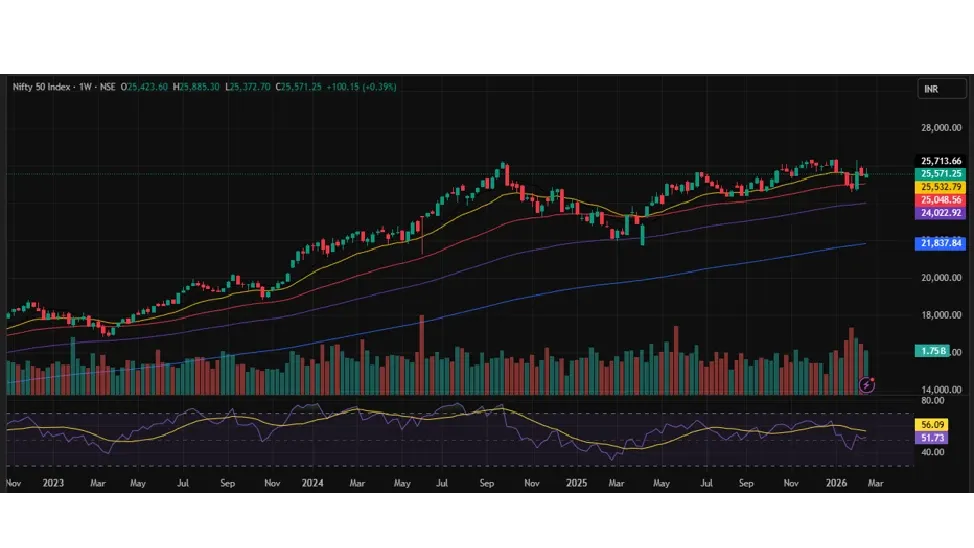
Brokerage calls can influence not just individual stocks but also broader market sentiment. When multiple global firms turn bullish on Indian equities, it strengthens confidence in the domestic growth story. This often supports benchmark indices such as Nifty 50 and Sensex.
In local markets across Maharashtra, Gujarat, Tamil Nadu, and emerging investment hubs, brokerage optimism can drive higher participation in equity trading. Regional brokerage branches and financial advisors see increased enquiry volumes following strong institutional calls on popular stocks.
Conversely, negative global commentary on Indian macro indicators such as fiscal deficit, inflation trajectory, or corporate earnings growth can create cautious sentiment. This may lead to short term volatility even if long term fundamentals remain intact.
How Retail Investors Should Respond to Brokerage Calls
Retail investors should treat brokerage ratings as inputs, not instructions. The key is context. If a stock has already rallied significantly before an upgrade, upside may be limited. If a downgrade comes after a strong run, it may signal profit booking rather than structural weakness.
Investors should check valuation metrics, debt levels, sector growth outlook, and management guidance before acting. Monitoring quarterly earnings trends alongside brokerage commentary offers a more balanced view.
Diversification remains critical. Relying heavily on a single stock because of a high profile rating exposes portfolios to concentration risk. Systematic allocation and disciplined asset allocation help manage volatility triggered by research reports.
Takeaways
Broker ratings from Jefferies, CLSA, and Elara Capital can move stocks quickly due to institutional follow through
Target price and earnings revisions often matter more than simple Buy or Sell labels
Retail investors should align brokerage insights with their time horizon and risk profile
Market sentiment can shift broadly when multiple global firms turn bullish or cautious on India
FAQs
Q1. Do brokerage upgrades guarantee stock price gains?
No. While upgrades may trigger short term buying, long term performance depends on actual earnings delivery and broader market conditions.
Q2. Why do different brokerages give different ratings on the same stock?
Each firm uses distinct valuation models, sector assumptions, and risk assessments, leading to varied conclusions.
Q3. Should small town retail investors follow global brokerage reports?
They can use them as reference points but should combine them with personal research, financial goals, and risk capacity.
Q4. How quickly do stocks react to brokerage calls?
Large cap stocks often react within the same trading session, especially when the rating change is significant and widely circulated.











Leave a comment