


UPI growth in India is entering a new phase where urban adoption is stabilising while Tier-3 markets are driving fresh expansion. This shift reflects saturation in metros and accelerating digital payment adoption across smaller towns and rural regions.
UPI growth slowdown in urban India alongside rapid Tier-3 expansion highlights a structural shift in the country’s digital payments ecosystem. While metro cities continue to dominate transaction volumes, incremental growth is increasingly coming from smaller towns where digital adoption is still scaling.
Urban UPI adoption reaches saturation levels
UPI growth slowdown in urban India is largely due to high penetration across major cities. Markets like Mumbai, Delhi, and Bengaluru have already integrated UPI into daily transactions across retail, services, and peer-to-peer payments.
Most consumers in these regions are active users, leaving limited scope for exponential user growth. As a result, transaction volume growth is now driven more by frequency and ticket size rather than new user additions.
Secondary keyword focus such as UPI urban saturation and digital payments maturity India explains why growth rates are moderating in cities. This trend reflects maturity rather than decline.
Tier-3 markets drive next phase of UPI expansion
In contrast, Tier-3 and rural markets are witnessing strong UPI adoption. Increased smartphone penetration, affordable mobile data, and improved banking access are enabling more users to adopt digital payments.
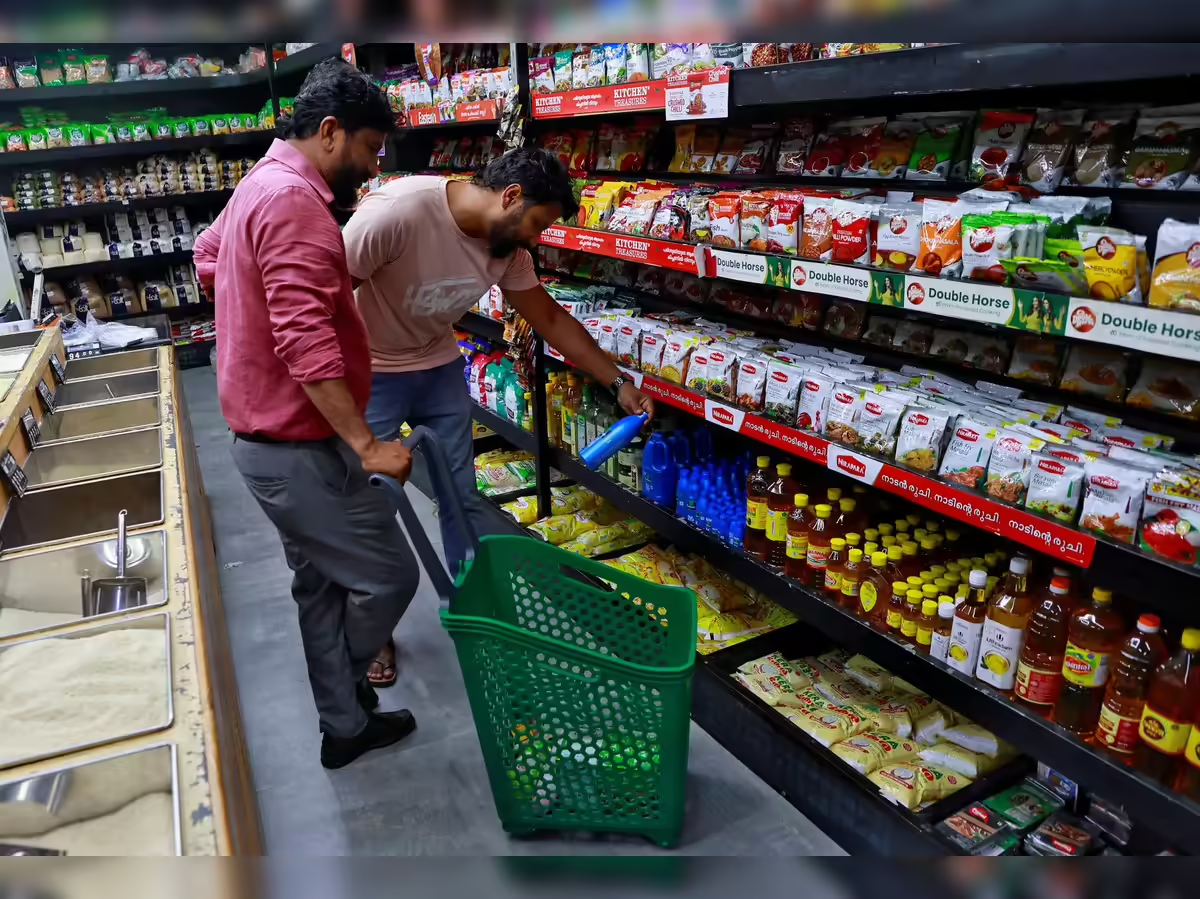
Local merchants, kirana stores, and service providers are increasingly accepting QR-based payments, reducing dependence on cash. UPI’s ease of use and low transaction cost make it particularly suitable for small-value transactions common in these markets.
Secondary keywords like UPI adoption rural India and Tier-3 digital payments growth highlight how these regions are becoming the primary drivers of expansion.
Merchant onboarding accelerates digital payment penetration
Merchant adoption is a critical factor behind the surge in Tier-3 UPI usage. Payment service providers and banks are actively onboarding small merchants by offering QR codes, simplified apps, and incentives.
As more businesses accept UPI, consumer usage naturally increases, creating a strong network effect. In smaller towns, this shift is visible across daily transactions such as grocery purchases, transport payments, and utility bills.
Secondary keyword themes such as UPI merchant growth India and cashless economy Tier-2 reflect how digital payments are becoming embedded in local economies.
Government initiatives and infrastructure support growth
Government initiatives have played a significant role in expanding UPI adoption beyond urban areas. Programs focused on financial inclusion, such as Jan Dhan accounts and Aadhaar-linked banking, have created a base for digital payments.
UPI itself has evolved with features like offline payments and UPI Lite, improving accessibility in regions with limited connectivity. These innovations are critical in ensuring seamless transactions in rural and semi-urban environments.
The combination of policy support and technological advancements is accelerating the transition toward a digital payments ecosystem across India.
Challenges in sustaining UPI growth momentum
Despite strong growth in Tier-3 markets, certain challenges remain. Digital literacy gaps can limit adoption in some regions, while connectivity issues can impact transaction reliability.
Another key concern is the sustainability of the UPI ecosystem. With zero or low merchant discount rates, banks and payment providers face challenges in monetising transactions.
Urban markets, while stable, may require innovation such as credit integration and value-added services to drive further growth. Addressing these challenges will be critical for long-term sustainability.
Outlook for UPI ecosystem in evolving markets
The outlook for UPI remains strong, with Tier-3 markets expected to continue driving user growth and transaction expansion. As digital infrastructure improves, more consumers and merchants will adopt UPI as a primary payment method.
Urban markets will likely focus on deeper engagement, including higher-value transactions and integration with financial services such as credit and insurance.
Overall, the shift in growth patterns indicates that India’s digital payments ecosystem is entering a more balanced phase, where both maturity and expansion coexist across different market segments.
Takeaways
• UPI growth is stabilising in urban India due to high penetration levels
• Tier-3 and rural markets are driving the next wave of digital payment adoption
• Merchant onboarding and smartphone usage are key growth drivers
• Sustainability and digital literacy remain important challenges
FAQs
Why is UPI growth slowing in urban areas?
Urban markets have reached high adoption levels, so growth is now driven by usage rather than new users.
What is driving UPI growth in Tier-3 markets?
Affordable smartphones, better internet access, and increasing merchant acceptance are key factors.
Is UPI replacing cash in smaller towns?
Digital payments are growing rapidly, but cash continues to coexist, especially in areas with limited connectivity.
What challenges does UPI face in the future?
Key challenges include improving digital literacy, ensuring reliable infrastructure, and creating sustainable revenue models.









Leave a comment