

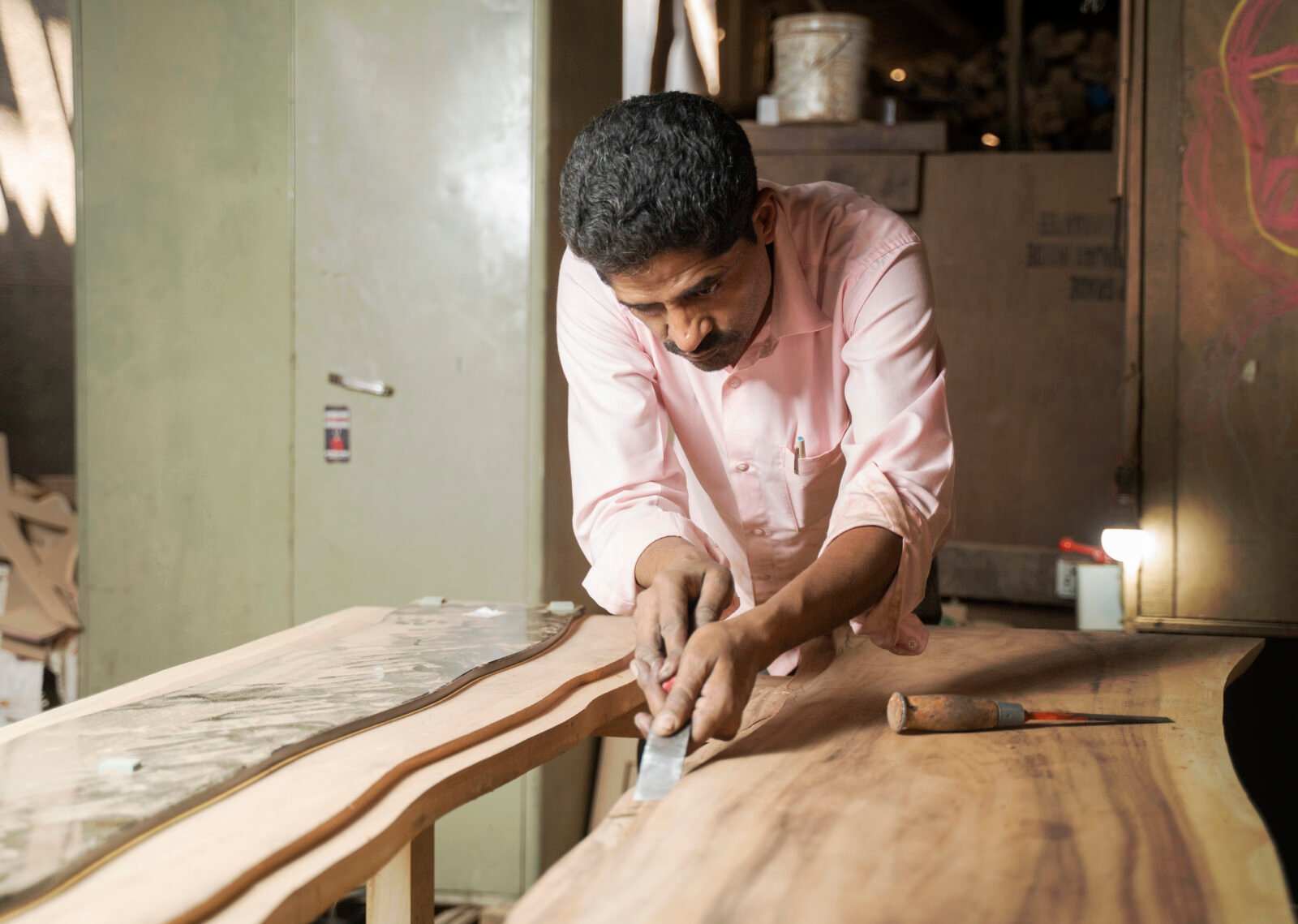
Walk into any furniture warehouse and you’ll find thousands of identical sofas, same fabric, same frame, same everything. Pick one blindfolded and it won’t matter, because they’re built to be interchangeable. Contemporary woodworkers exist to push back against exactly that kind of sameness.
Custom woodwork runs on a different principle entirely. When someone sits down with a craftsman and describes a vision, a table that fits an awkward L-shaped dining room, or a bed that doesn’t look like every other piece in the building; that conversation creates something a factory line simply can’t replicate. The relationship between the maker and client becomes the foundation of the work itself. It isn’t about moving inventory; it’s about solving a real problem for a real home. At
Wootique, that principle shapes everything, right down to how a piece gets made. Every commission starts with a conversation, not a catalogue, and the craftspeople here tend to remember their projects years later, the specific requests, the odd corners they had to design around, even how a piece has aged since it left the workshop.
What sets custom work apart is how the wood itself behaves. A piece of teak doesn’t sit passively, it moves, it breathes, it responds to the room around it. Skilled hands read that movement, following the grain instead of fighting it. This isn’t sentimentality; it’s the difference between a piece lasting twenty years and one that stays relevant for fifty. Handled well, wood’s natural character becomes the feature, not something to sand away and hide.
Look at any dining table that’s been loved for decades. Every scratch has a story behind it. Coffee tables carry the odd burn mark from a careless cigarette in the nineties, a wine stain that never quite lifted. These aren’t flaws, they’re proof the piece was actually lived with, used enough to be marked by life. That’s the opposite of the showroom pieces that look untouched because, in every way that matters, they are.
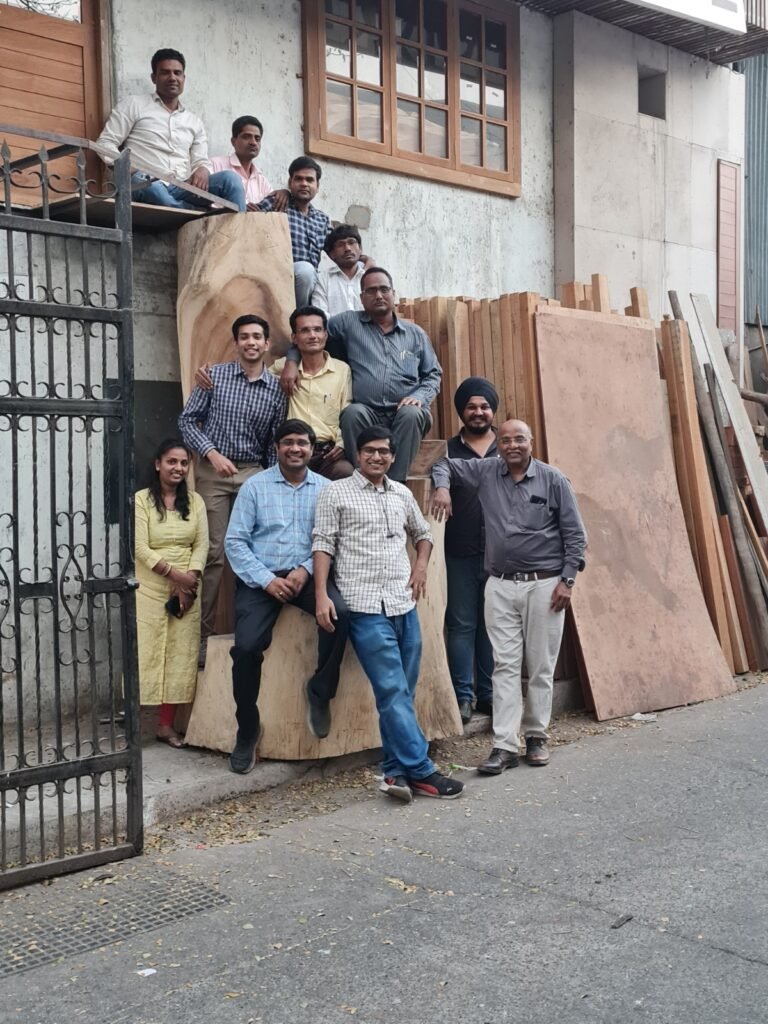
The real value lies in knowing someone actually made the thing , someone you could call, someone who genuinely cares whether it holds up. In an age of disposable everything, that still counts for a great deal. It’s the difference between furniture and Wootique furniture: a maker who remembers your family, your home, and whether the piece they built for you is still standing strong.
Custom furniture represents something increasingly rare, a genuine relationship built into a commercial transaction. You’re not buying from a faceless brand. You’re working with someone who understands wood, respects your vision, and takes real pride in getting it right. That’s not luxury in the marketing sense. That’s just what furniture-making used to mean, before factories and franchises flattened it into a catalogue number.












Leave a comment