

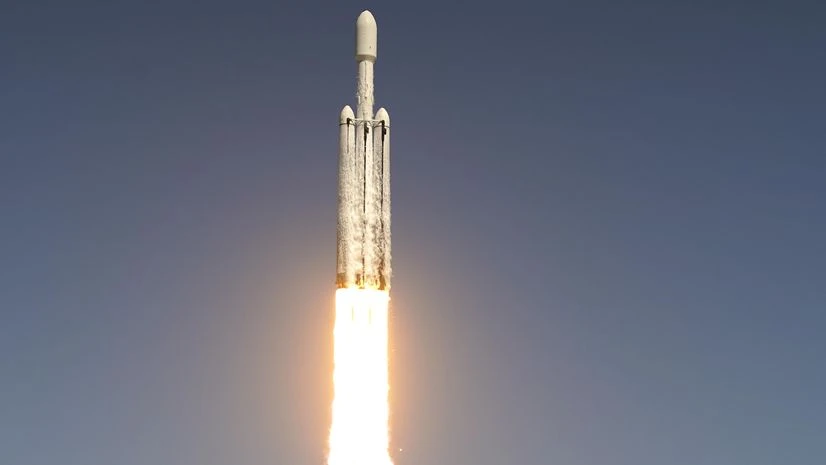
The government announcing a space sector VC fund signals a major shift in how India plans to accelerate its space technology ecosystem. This move aims to support early stage companies working on satellites, launch services, materials, robotics and downstream applications. For Tier 2 cities, the fund opens new pathways to participate in India’s fast expanding space economy.
The topic is time sensitive because the fund announcement reflects an active policy development. The tone blends news context with detailed insight into how smaller cities can integrate into the opportunity landscape.
Why the space sector VC fund matters for early stage innovation
The government’s decision to establish a dedicated VC fund for the space sector reflects the need to speed up private innovation and reduce reliance on traditional procurement cycles. Space tech startups typically require patient capital due to long development timelines, engineering complexity and regulatory constraints. The new fund aims to fill this gap by providing early capital for prototyping, testing, validation and manufacturing.
This also aligns with India’s policy shift allowing private players to participate more actively in launch services, satellite development and downstream applications such as remote sensing, geospatial analytics, communications and climate intelligence. A fund backed by the government signals stability and confidence, encouraging both domestic and global investors to consider co investment opportunities.
How Tier 2 cities can integrate into the space tech value chain
A key secondary keyword here is space tech value chain. Tier 2 cities can contribute significantly because space technology requires a broad supplier network rather than only large R&D hubs. Smaller cities with engineering colleges, fabrication units, electronics clusters or precision machining facilities can support component manufacturing, assembly, materials engineering and testing.
Cities in states with aerospace or defence corridors are especially well positioned. Their industrial land availability, lower costs and access to skilled technical graduates make them suitable locations for satellite subsystem production, drone based space applications, data processing centres or cleanroom assembly lines. Many Tier 2 cities already host MSMEs that supply parts to automotive or defence sectors. These manufacturing capabilities can be repurposed for space tech supply chains with appropriate upgrades.
Local universities can collaborate with space startups to build labs focused on propulsion research, small satellite design, AI driven imaging analysis or materials testing. Such partnerships help create a steady talent pipeline while reducing R&D costs for startups.
Opportunities for startups in smaller cities within the space ecosystem
Several opportunity areas are emerging for startups located outside major metros. Small satellite subsystems such as antennas, solar panels, structural components and electronic control systems can be developed in cost efficient clusters. Software driven applications including satellite imaging analytics, climate monitoring dashboards, agriculture forecasting tools and logistics optimisation platforms do not require massive physical infrastructure, making them suitable for founders based in Tier 2 cities.
With government support through the space sector VC fund, early stage startups from smaller regions can secure seed capital for building prototypes or running pilot deployments. This reduces the need to shift to metro cities purely for investor access. Tier 2 cities with strong engineering education also offer access to research talent needed for algorithm development, simulation modelling and mission planning tools.
Another opportunity lies in ground station networks and data relay infrastructure. As India expands satellite constellations, more ground based facilities will be needed across the country. Tier 2 cities with stable power supply and good connectivity can host these stations, creating local employment and support services.
How regional industries can align with the new space sector push
Secondary keywords such as regional industries and aerospace readiness become relevant here. MSMEs in precision manufacturing, metal fabrication, electronics assembly and materials engineering can upgrade capabilities to supply to space sector firms. These MSMEs often operate in industrial zones of Tier 2 cities and can integrate with larger space companies through vendor development programs.
States promoting defence and aerospace corridors may provide subsidies for machinery upgrades, cleanroom installation or certification processes required for space grade production. Local chambers of commerce can facilitate industry startup collaboration, allowing regional suppliers to support high growth space ventures.
Additionally, data intensive sectors including agriculture, insurance, mining, urban planning and disaster response can adopt space driven analytics. Tier 2 cities can host applied analytics companies that convert satellite data into sector specific insights.
What Tier 2 ecosystem enablers must do to maximise impact
For smaller cities to benefit fully from the government’s VC fund, incubators and academic institutions must build specialised programs for space entrepreneurship. This includes simulation labs, mentorship from domain experts and access to testing equipment for early validation. State governments can integrate space tech into their innovation missions, offering grants and facilitating partnerships with ISRO linked facilities.
Local investor groups should build familiarity with space tech business models. Although long term, many space applications generate strong, recurring revenues. Creating awareness helps more investors participate in early stage deals emerging from Tier 2 ecosystems.
Takeaways
The government’s space sector VC fund brings early capital to startups in satellites, launch tech and analytics.
Tier 2 cities can participate by aligning manufacturing, engineering and software capabilities with space tech demand.
Smaller city startups can enter the ecosystem through subsystems, analytics and ground infrastructure.
States and incubators must strengthen labs, mentorship and industry linkages to support space innovation.
FAQs
Q: Can Tier 2 startups realistically compete in space technology?
A: Yes. Many segments such as satellite subsystems, imaging analytics, materials testing and software modelling can be built from smaller cities with the right support.
Q: Will the VC fund help startups outside major metros?
A: The fund aims to widen participation, and early stage support should benefit founders from both metros and non metro regions, especially those solving practical problems.
Q: What skills do founders in Tier 2 cities need to enter space tech?
A: Core skills include electronics design, materials engineering, software modelling, remote sensing, AI analytics and precision manufacturing, all of which are available in regional institutions.
Q: How can MSMEs in smaller cities join the space supply chain?
A: By upgrading machinery, improving quality processes, completing relevant certifications and partnering with startups or larger aerospace companies for component production.










Leave a comment